SS27: New Names show
MARY&Co
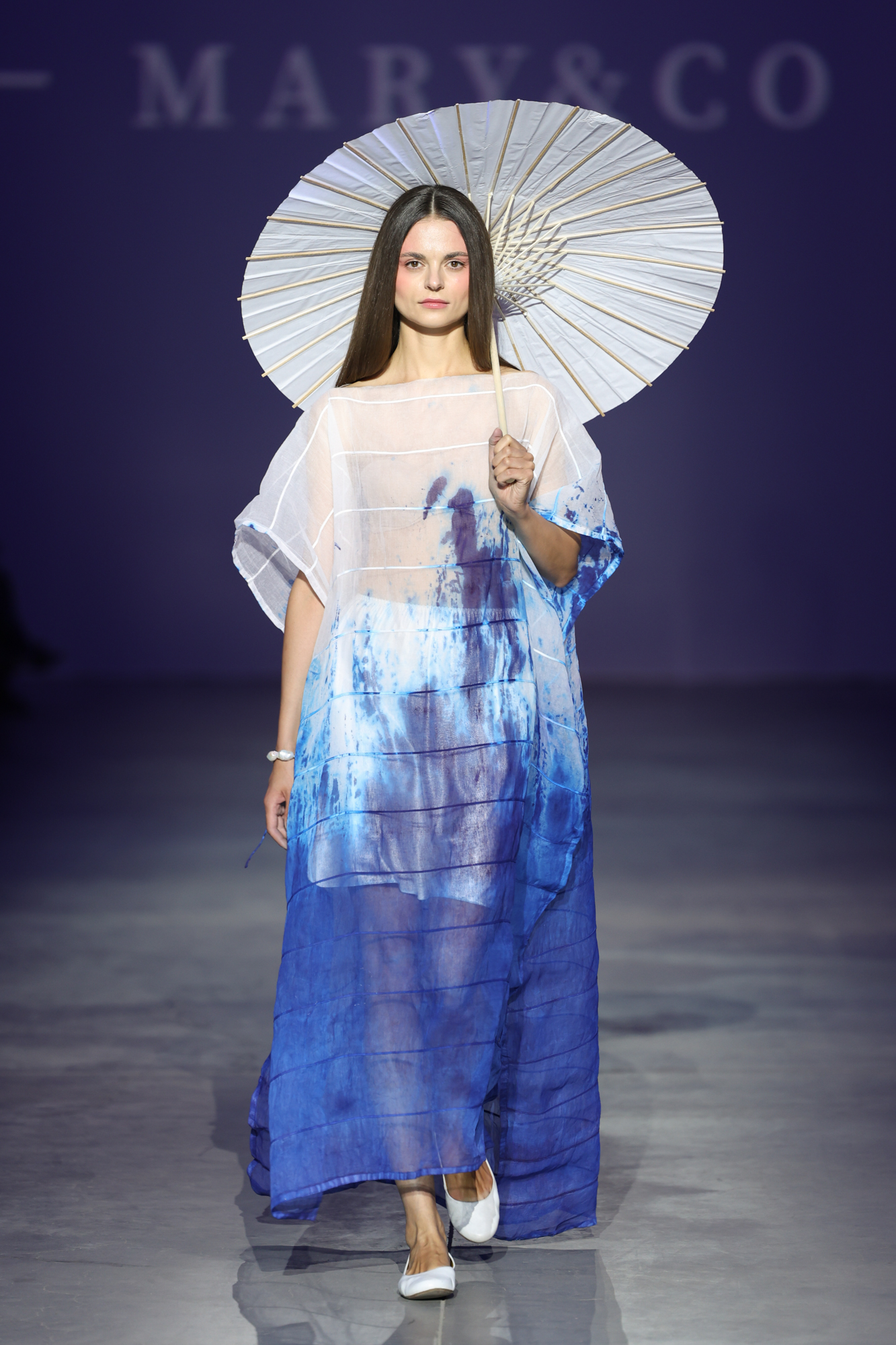
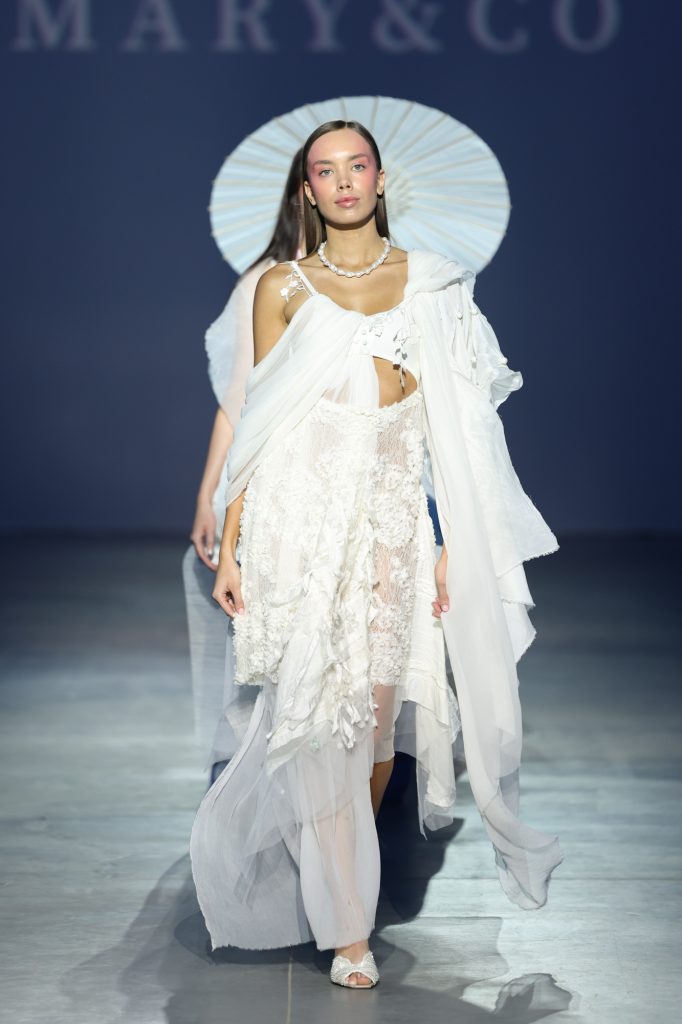
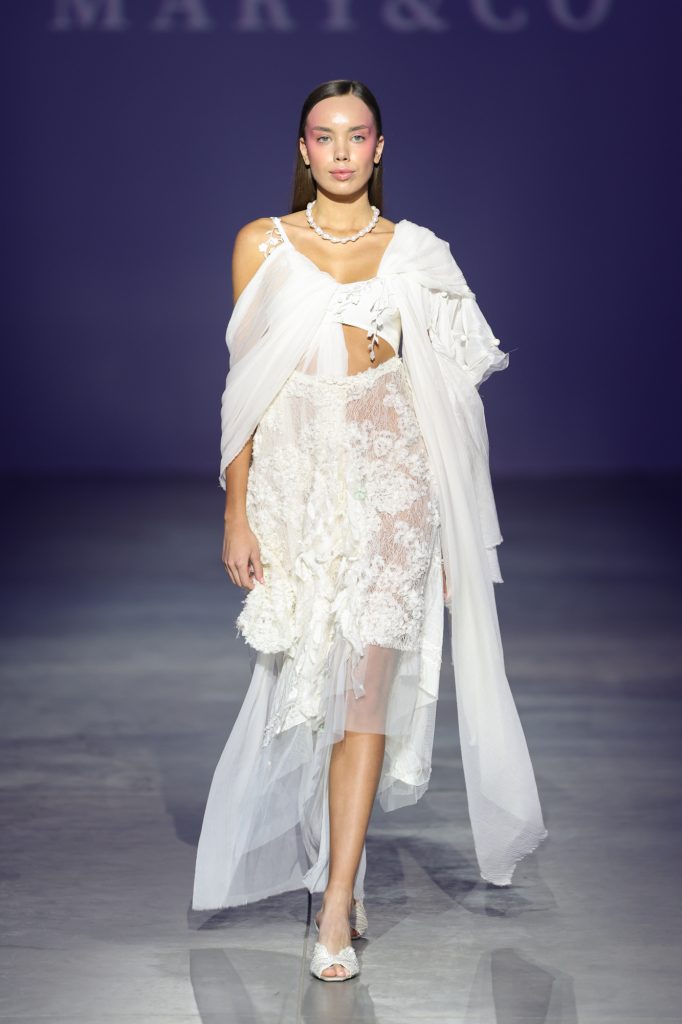
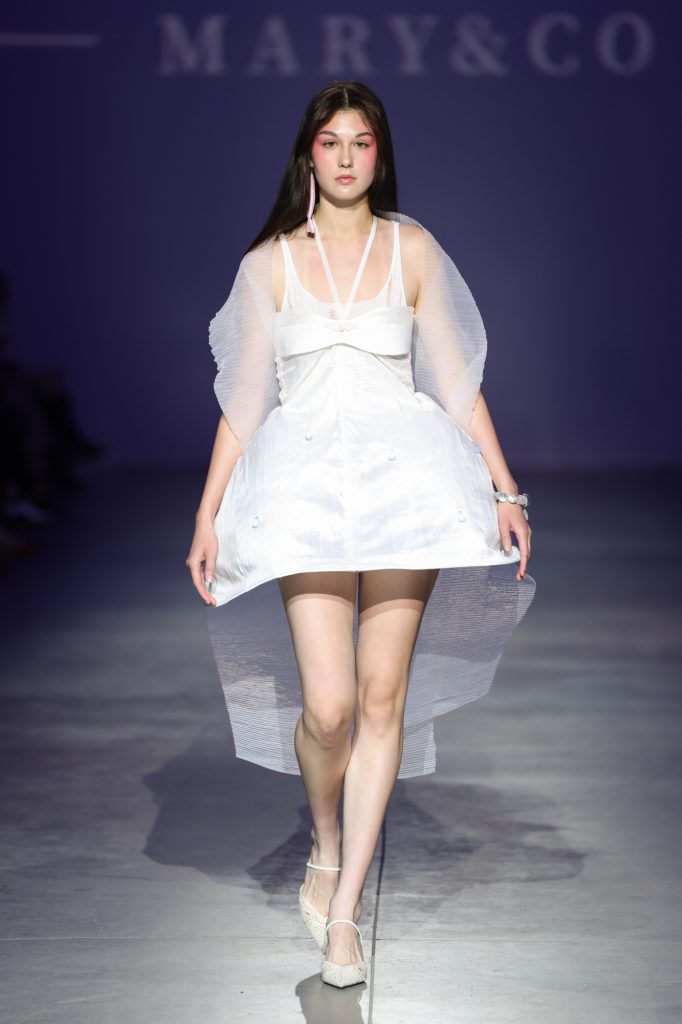
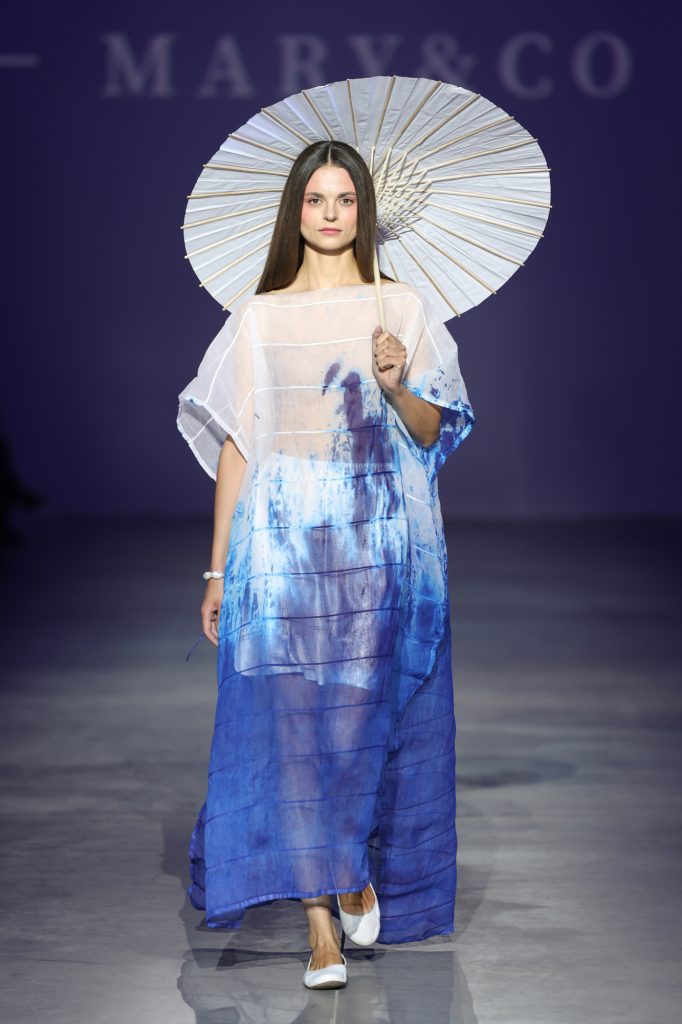
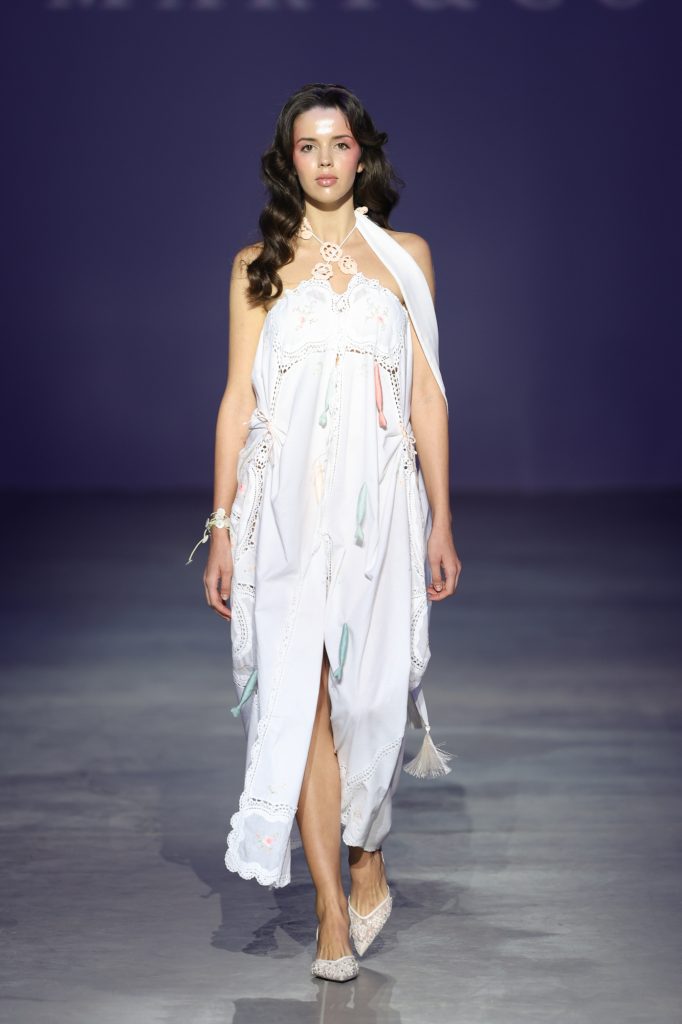
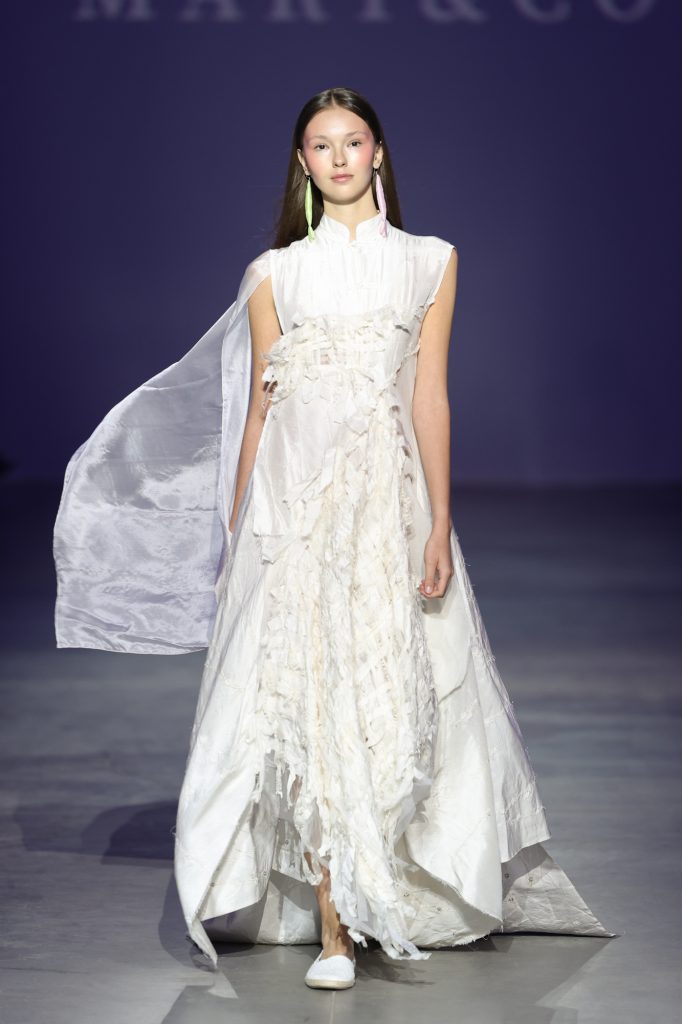
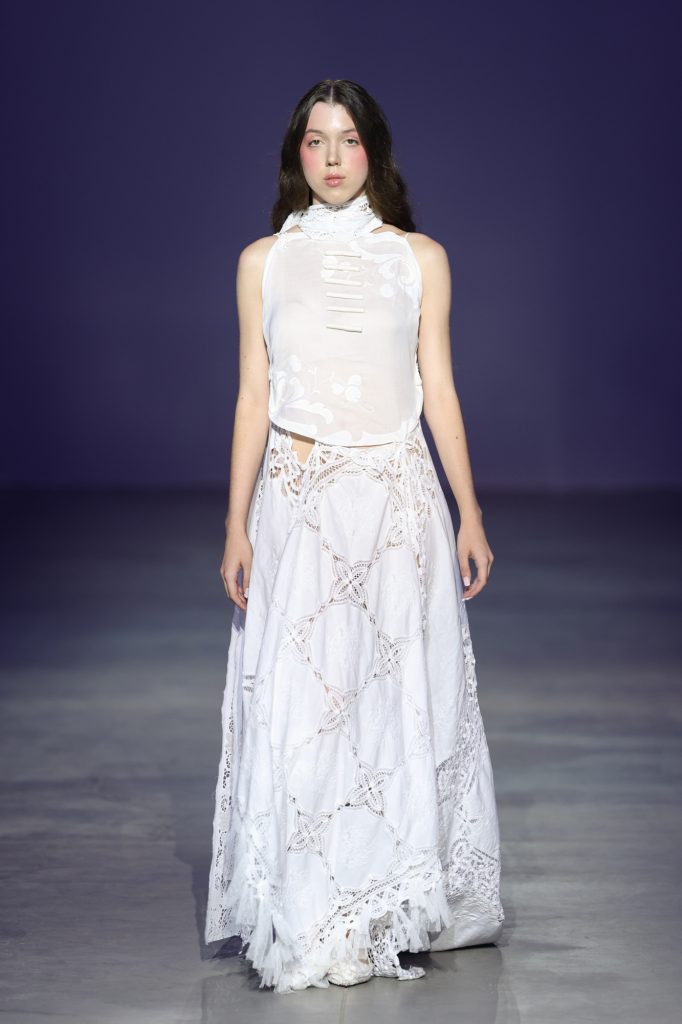
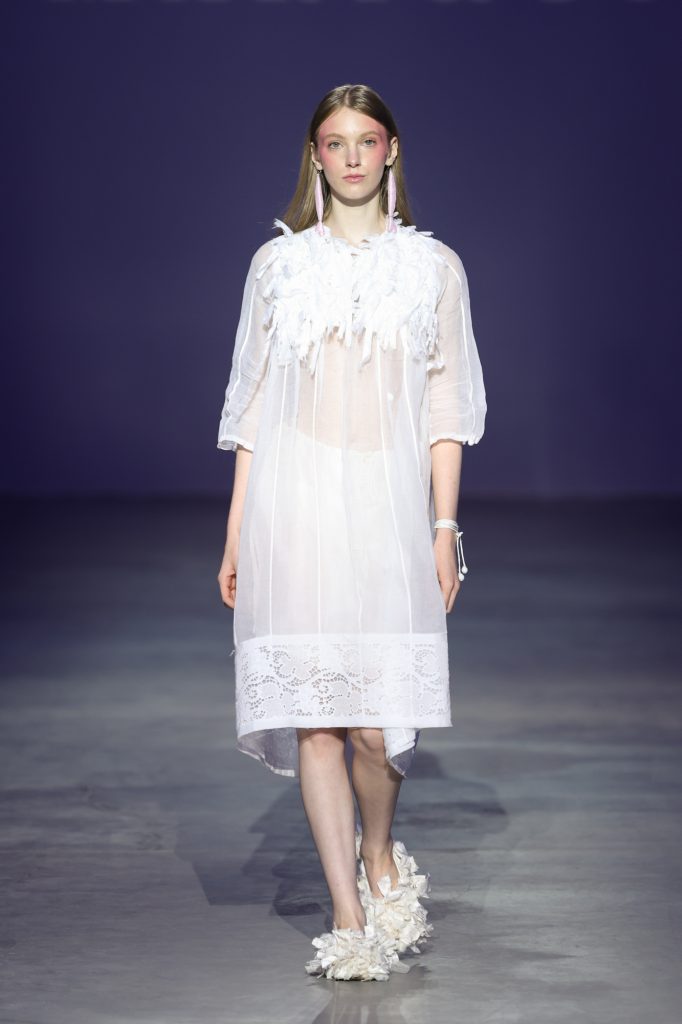
The new collection by MARY&Co is a contemporary dialogue between fashion, art, and conscious craftsmanship. Inspired by the remarkable Eastern art collection of the Khanenko Museum, the collection explores the timeless beauty of traditional Asian aesthetics through a modern design language.
Its silhouettes are shaped by the graceful forms of intricately carved ivory sculptures, the elegant curves of Chinese porcelain vases, and the delicate refinement of fine porcelain. Soft volumes, flowing lines, and sculptural draping reinterpret these historical masterpieces into contemporary garments that embody both strength and lightness.
Sustainability lies at the heart of the collection. Every look is crafted from reclaimed silk and recycled cotton, giving a second life to premium fabrics that would otherwise become waste. This approach reflects MARY&Co’s commitment to responsible design, proving that luxury and environmental consciousness can coexist harmoniously.
Rather than reproducing museum artifacts, MARY&Co transforms their spirit into wearable art. Each garment celebrates centuries of craftsmanship while embracing a vision for the future—where fashion preserves cultural heritage, values artisanal techniques, and inspires a more sustainable world.
SOFIIA POPIL
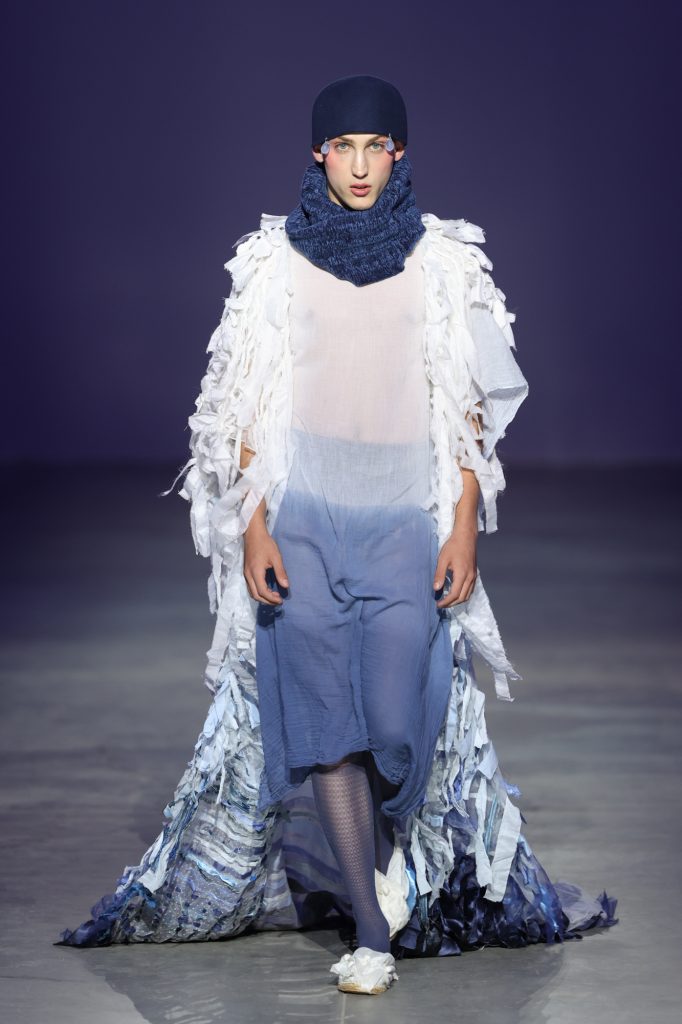
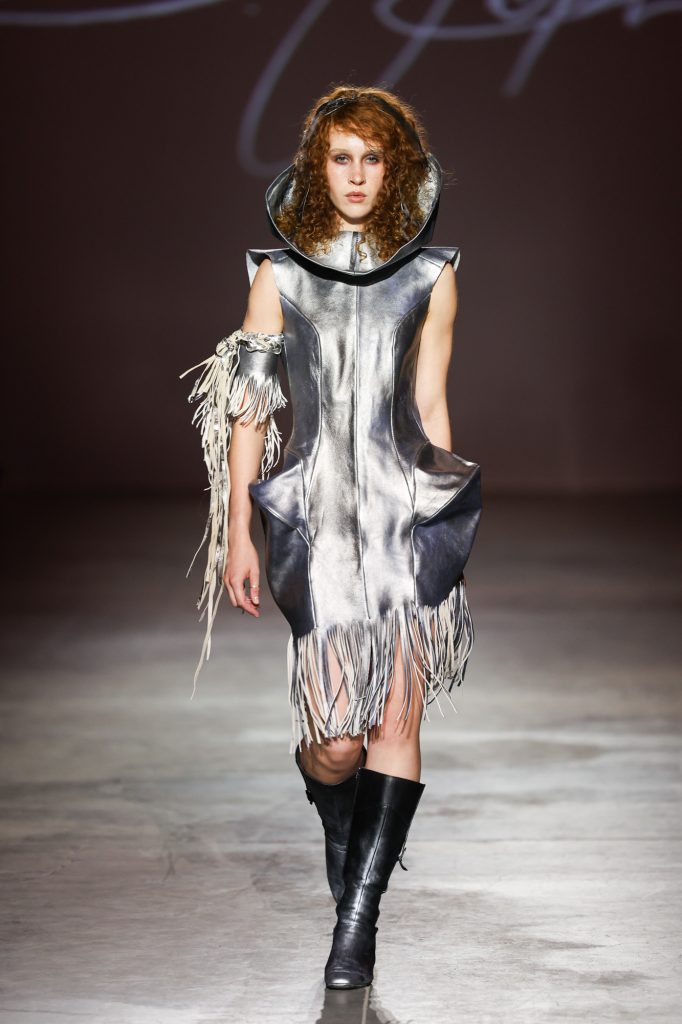
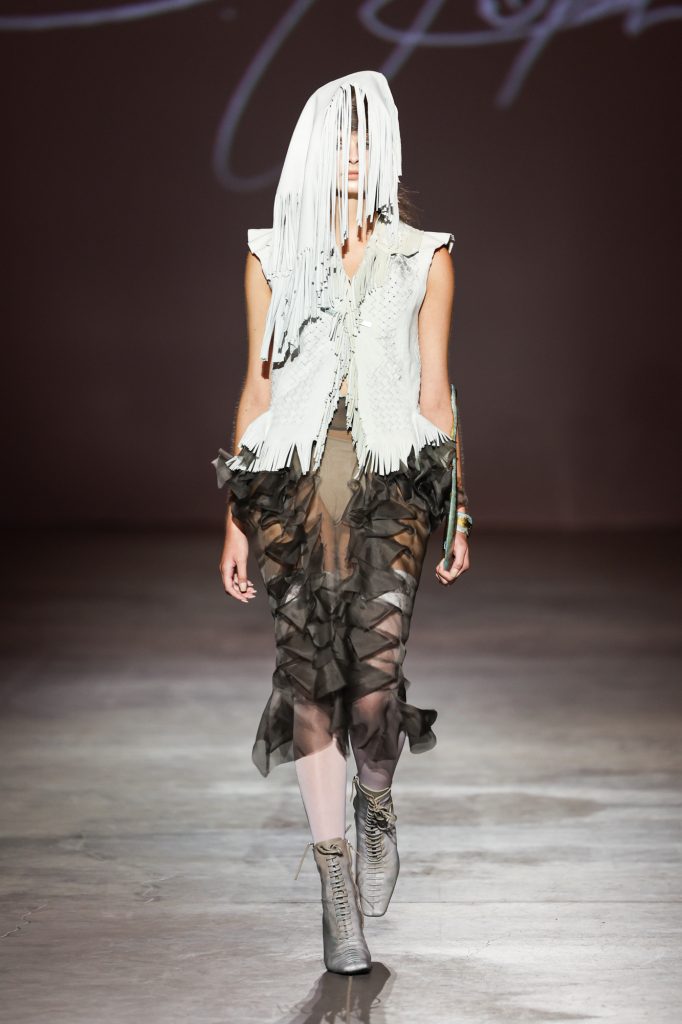
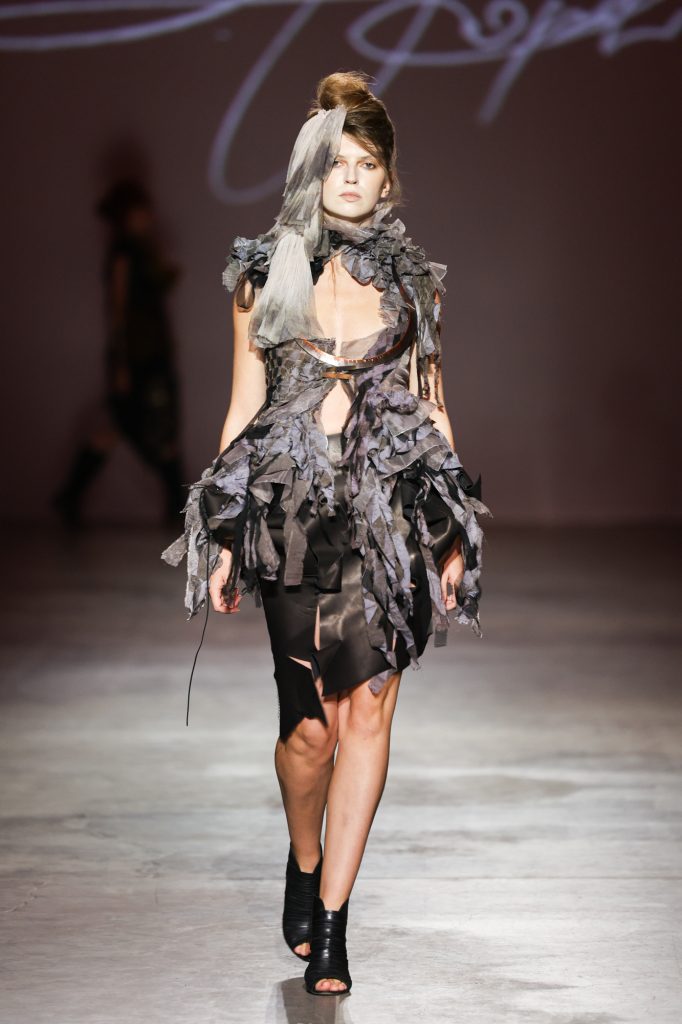
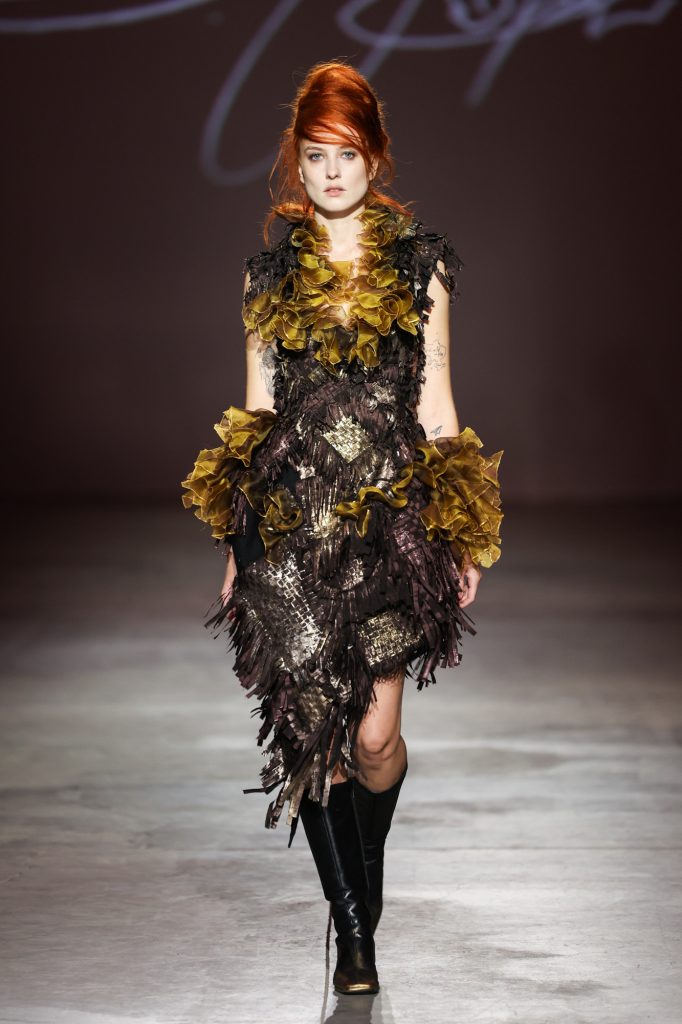
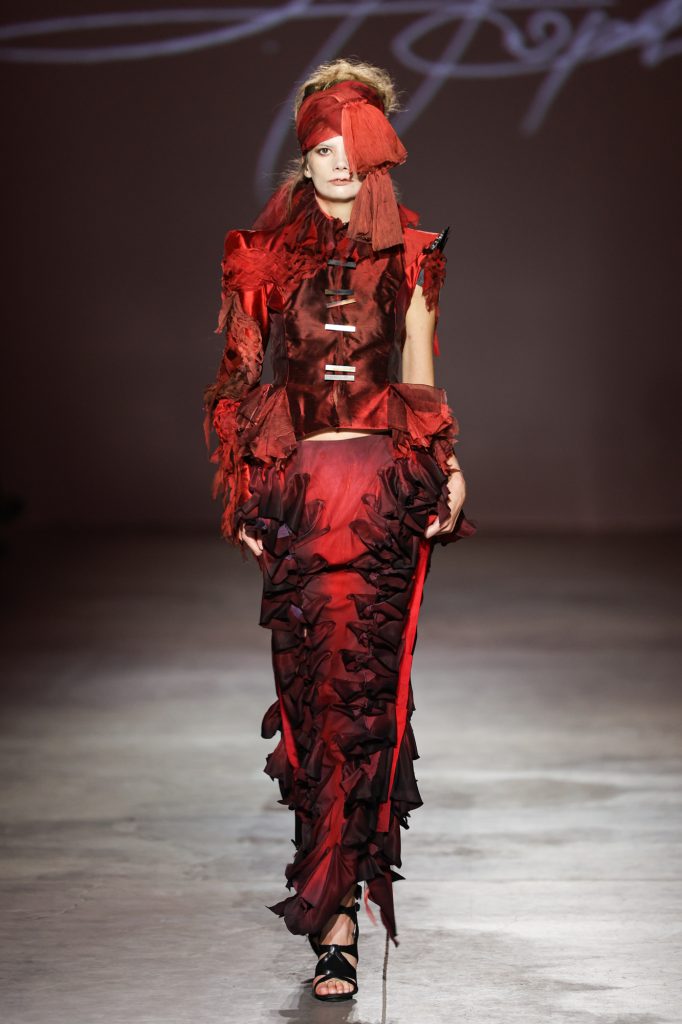
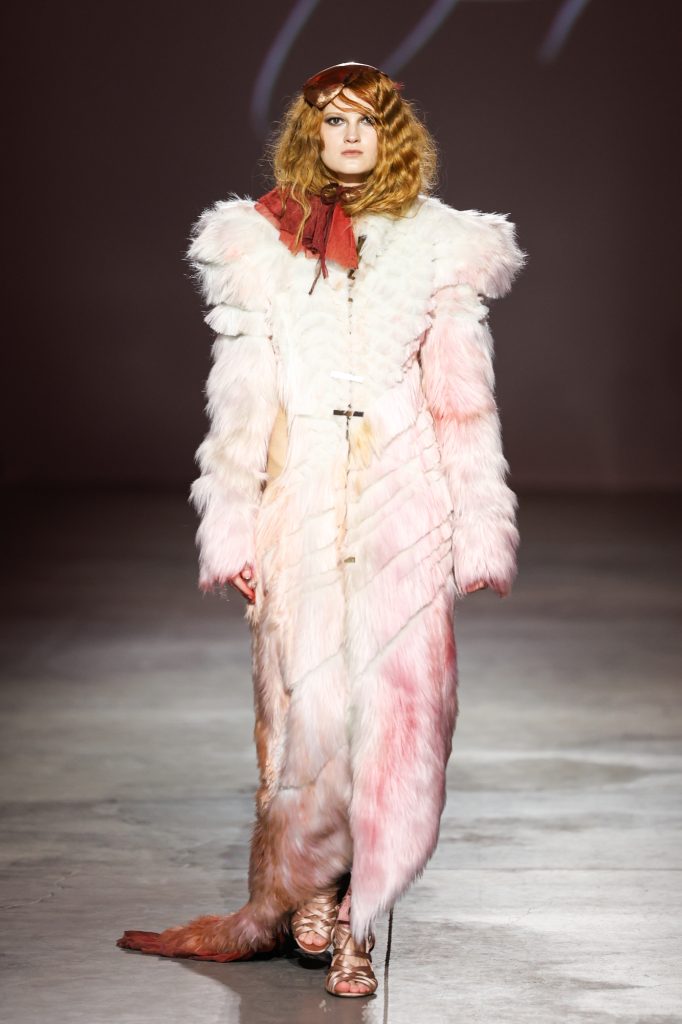
The debut SS 27 collection, Intermezzo, explores the emotional experience of Ukrainians during wartime and the desire to find mental shelter from despair and uncertainty.
The collection contrasts delicate, lightweight materials with heavy and rigid ones, reflecting the idea of an imagined refuge — an illusion that nevertheless can become a source of hope and comfort in difficult times.The designer draws inspiration from Hutsul culture, particularly sheep farming, leather craftsmanship, weaving, and traditional jewellery. These cultural references are reinterpreted through an experimental approach to materials, techniques, scale, and construction.
Many of the fabrics were hand-dyed to create unique colour combinations, gradients, and to emphasise the silhouettes and textures of the garments. The collection also features hand-braided elements that were used as an embellishment or integrated into clothes itself, as well as leather and artificial fur with a hand-cut pattern, and custom metal accessories. Traditional Hutsul jewellery, the earrings in particular, became inspiration for the shape of some bracelets and necklaces. Custom made brass and cooper broches were used as closures for some pieces.
The debut SS 27 collection, Intermezzo, explores the emotional experience of Ukrainians during wartime and the desire to find mental shelter from despair and uncertainty. The collection contrasts delicate, lightweight materials with heavy and rigid ones, reflecting the idea of an imagined refuge — an illusion that nevertheless can become a source of hope and comfort in difficult times.
The designer draws inspiration from Hutsul culture, particularly sheep farming, leather craftsmanship, weaving, and traditional jewellery. These cultural references are reinterpreted through an experimental approach to materials, techniques, scale, and construction.
Many of the fabrics were hand-dyed to create unique colour combinations, gradients, and to emphasise the silhouettes and textures of the garments. The collection also features hand-braided elements that were used as an embellishment or integrated into clothes itself, as well as leather and artificial fur with a hand-cut pattern, and custom metal accessories. Traditional Hutsul jewellery, the earrings in particular, became inspiration for the shape of some bracelets and necklaces. Custom made brass and cooper broches were used as closures for some pieces.
MAVKA BOUTIQUE
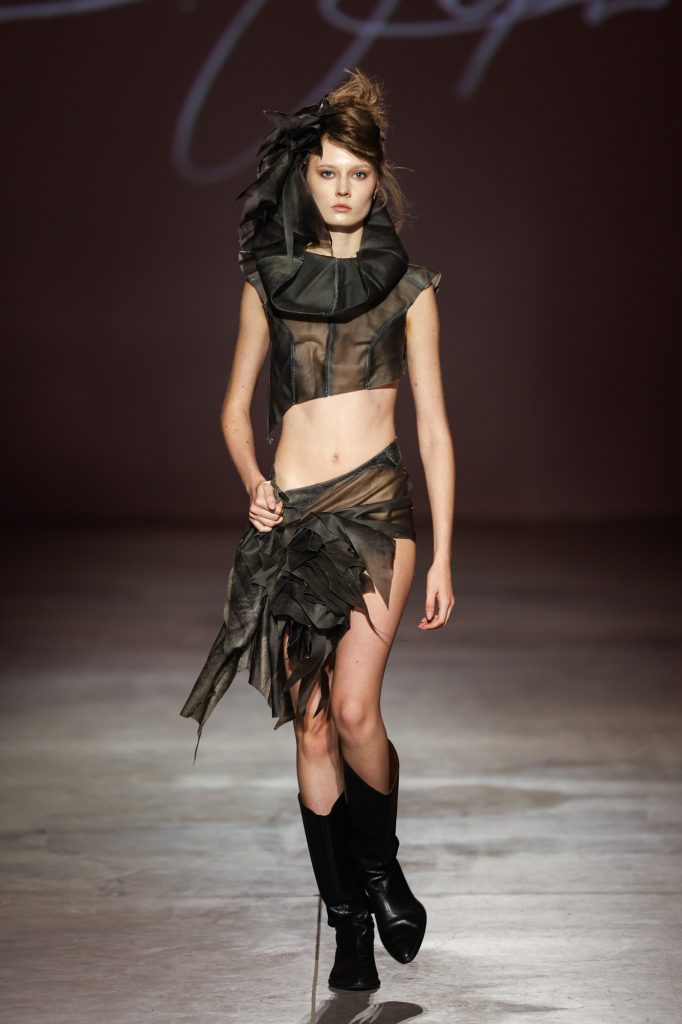
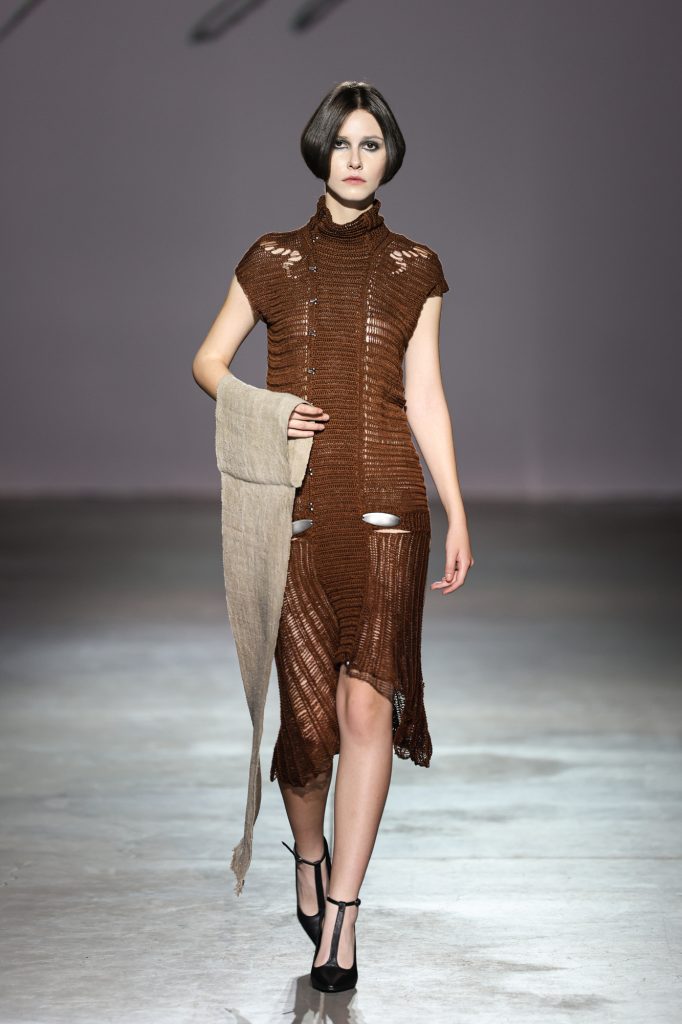
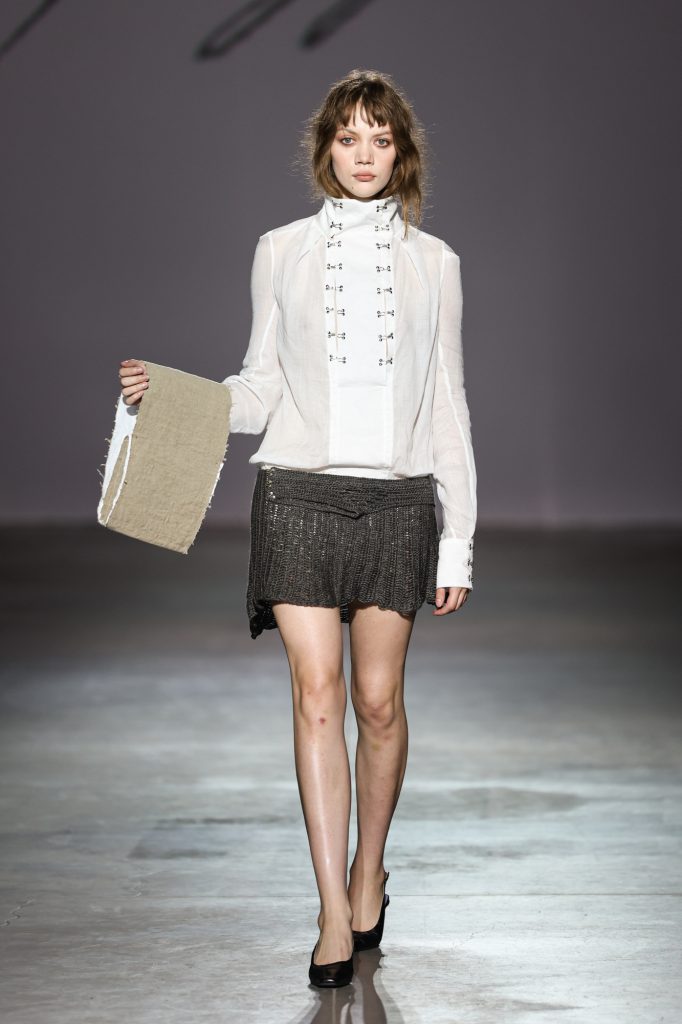
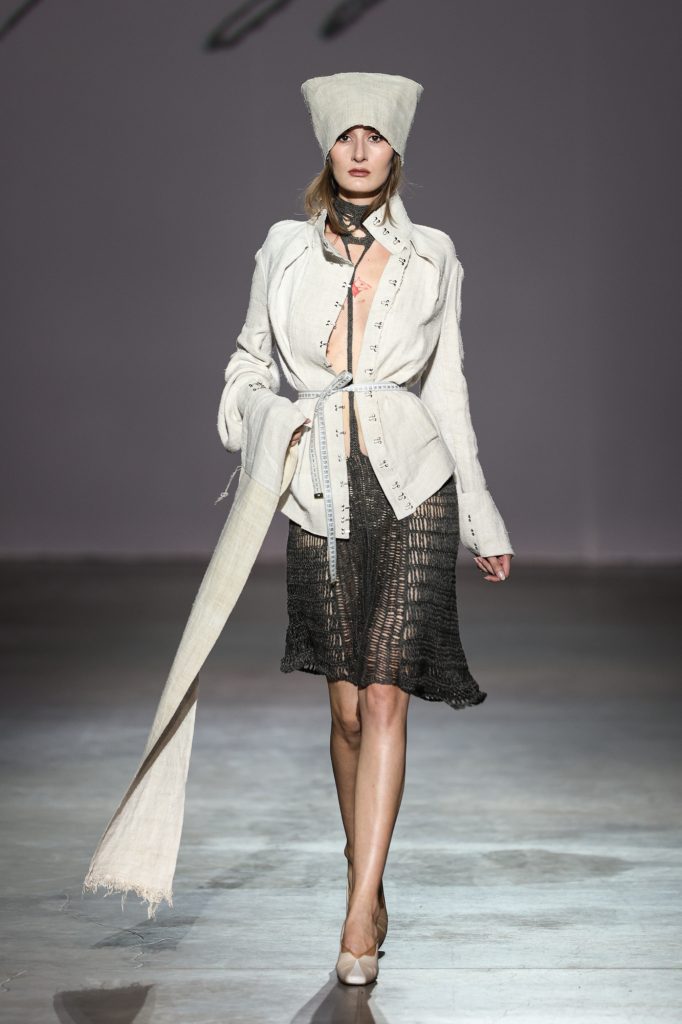
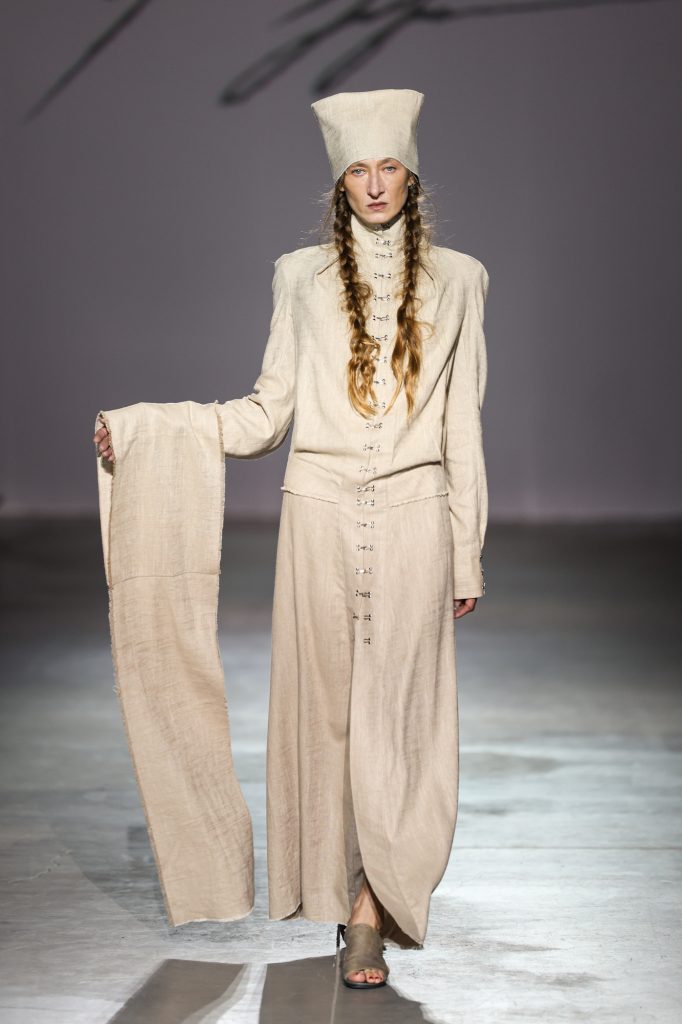
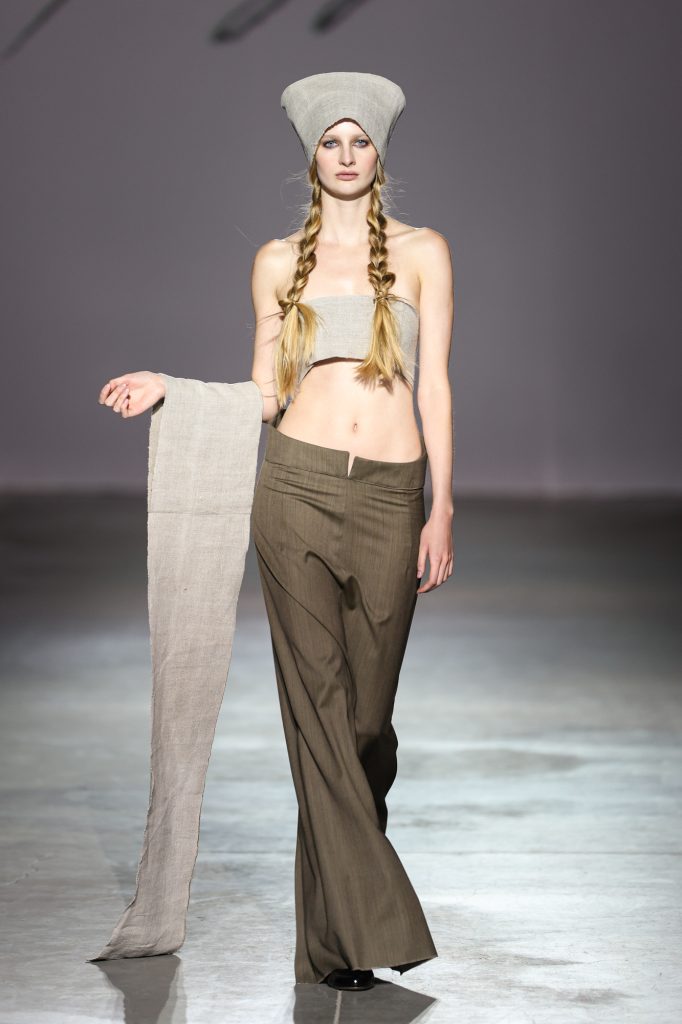
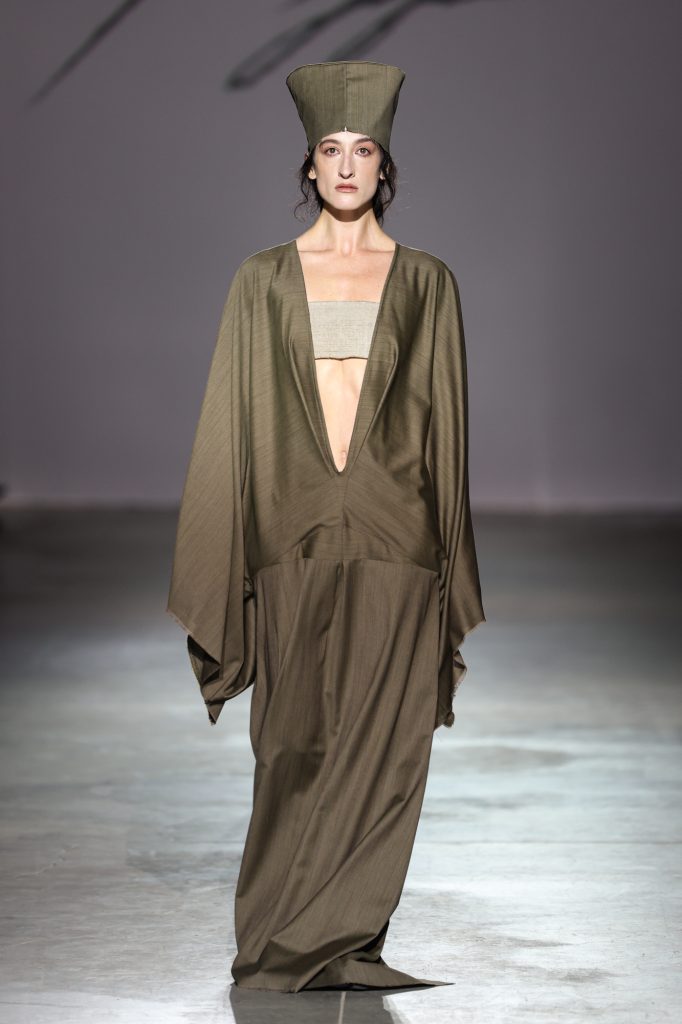
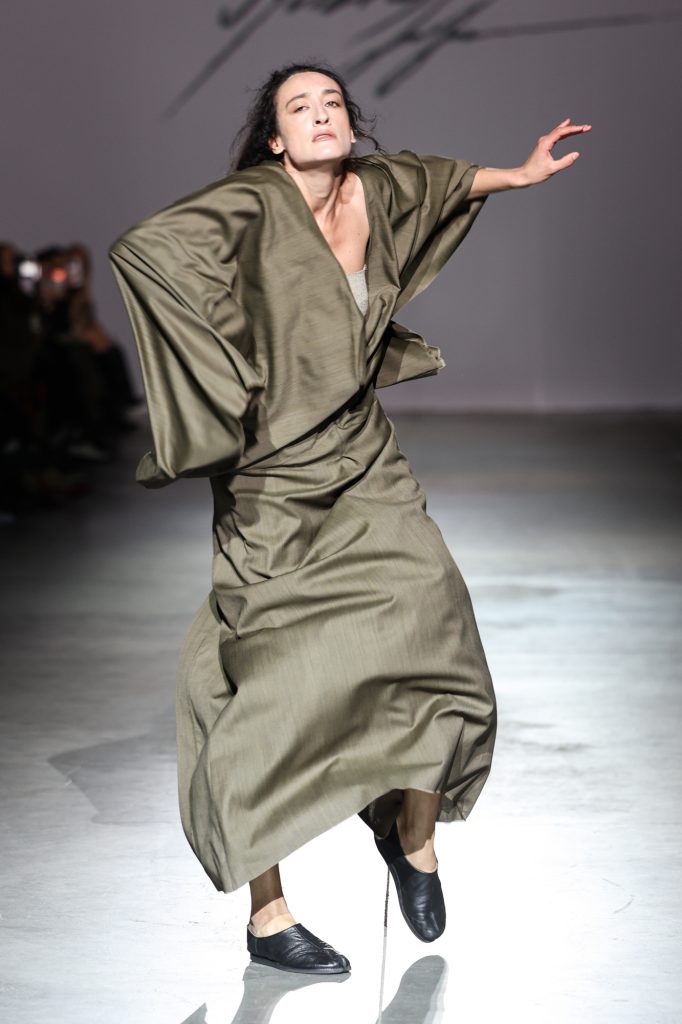
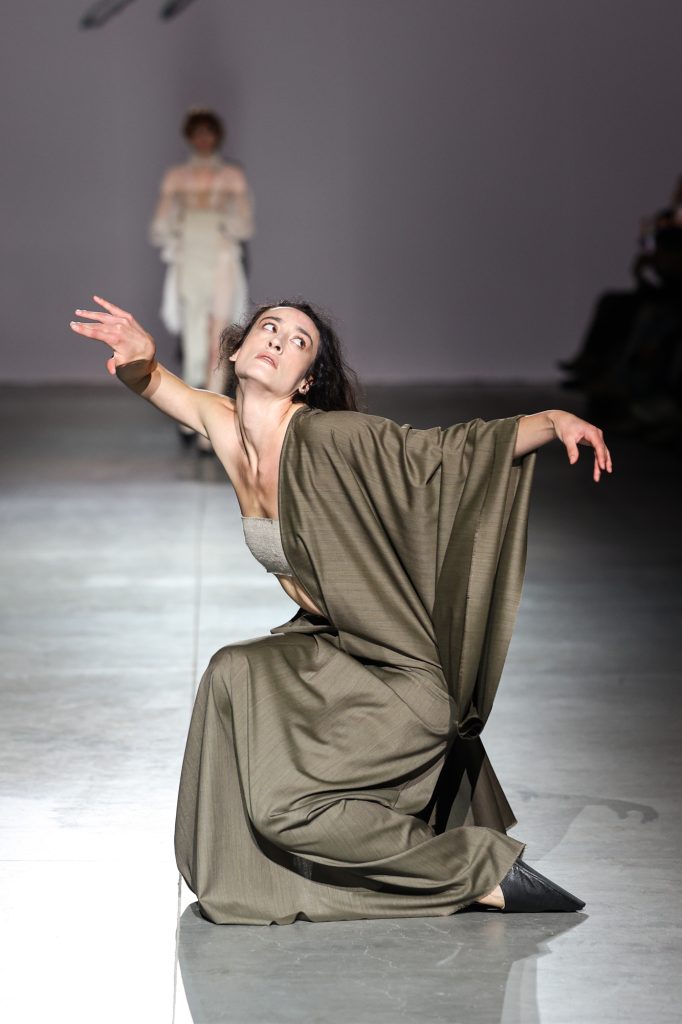
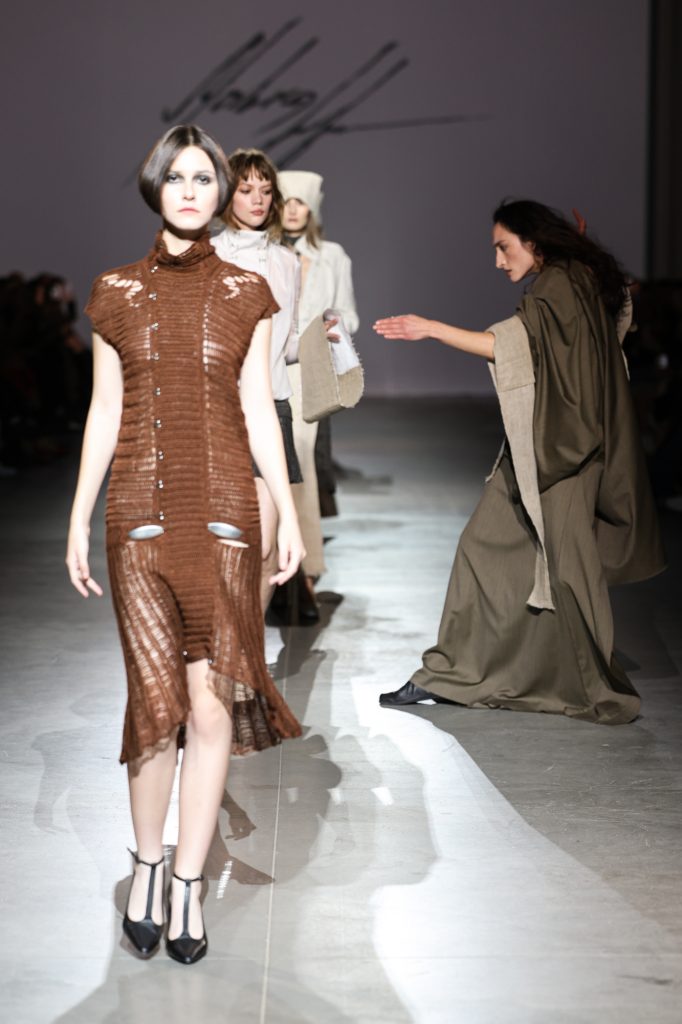
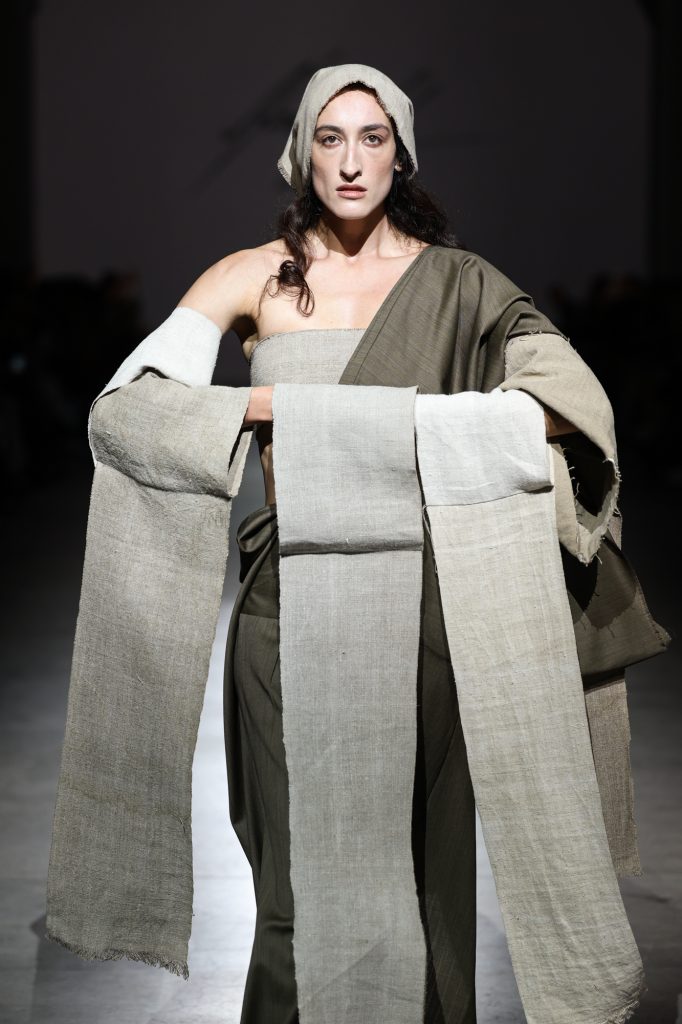
The collection’s title references Volodymyr Vynnychenko’s short story Slave of Beauty, which explores the attempted assimilation of a character embodying traditional Ukrainian culture into the context of an industrial city.
This season, I explore a dialogue between the Ukrainian and Parisian 1920s. Industrialization, changing patterns of everyday life, and the erosion of individuality in favor of standardization — within this context, a pull toward the archaic reads as a necessity. I seek to show how these polarities can exist together without one replacing the other.
Sofia Yablonska naturally became the archetypal woman of the collection — a person who lived at the intersection of cultures while remaining fiercely authentic. Her style and the era she inhabited are a precise metaphor for what this collection is about.
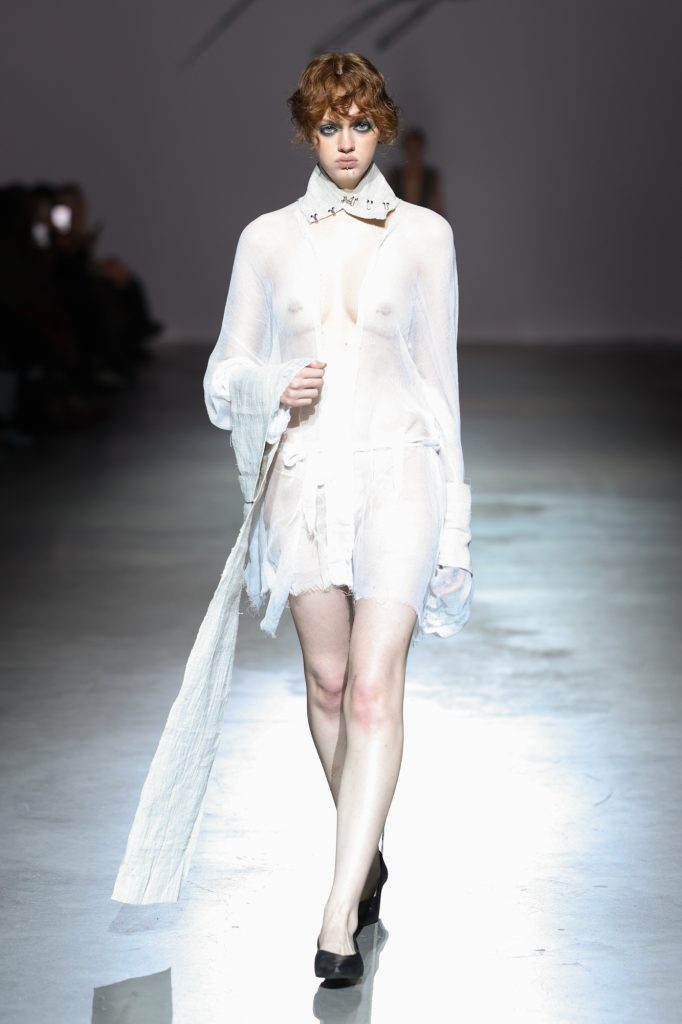
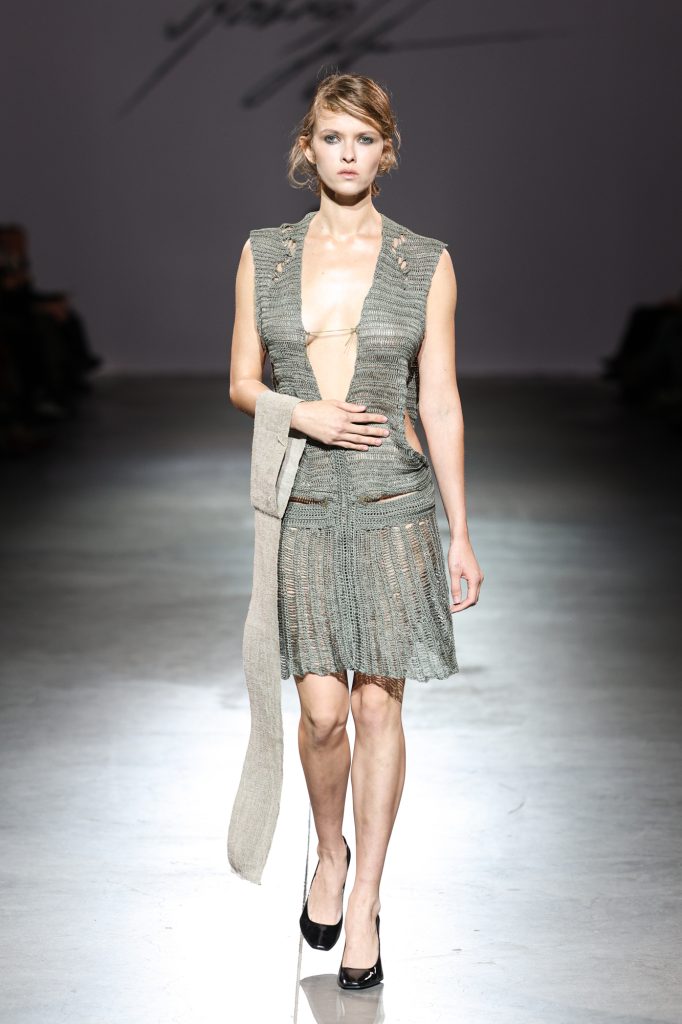
The main period of research was the transformative 1920s. I immersed myself in Vynnychenko’s diaries from the period, the writings of Sofia Yablonska, archival editions of Nova Khata, and the anthropological collections of Fedir Vovk. To create looks embodying the idea of Ukrainianness, I drew on archival photographs of fairs in the Chernihiv and Kyiv regions. The linen pieces made from homespun fabric and the headwear emerged directly from this source.
KAZHAN ELIS
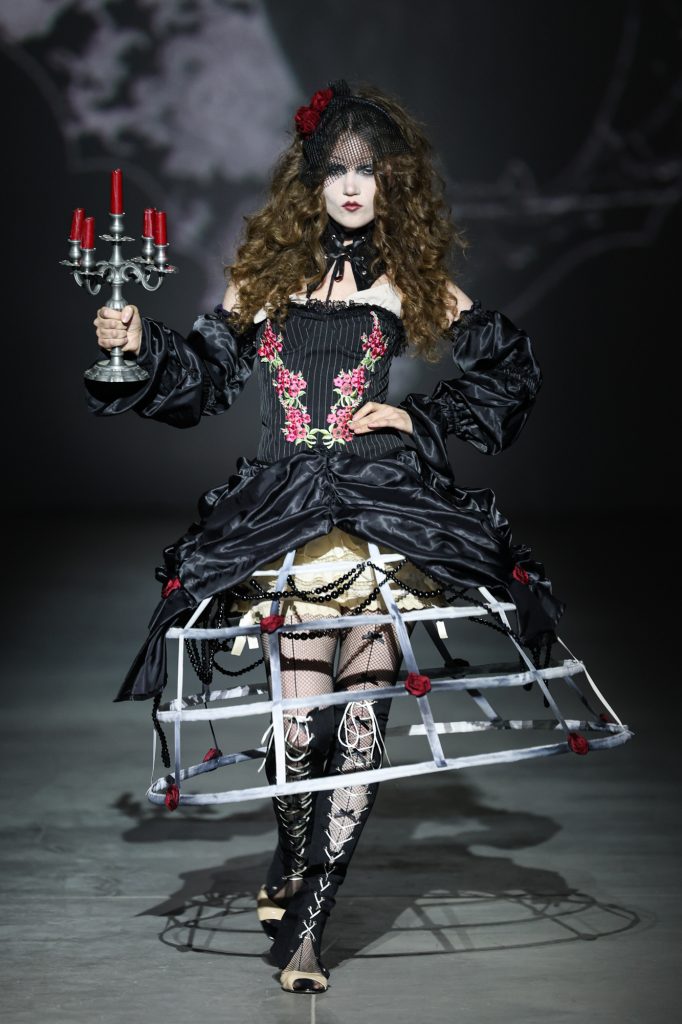
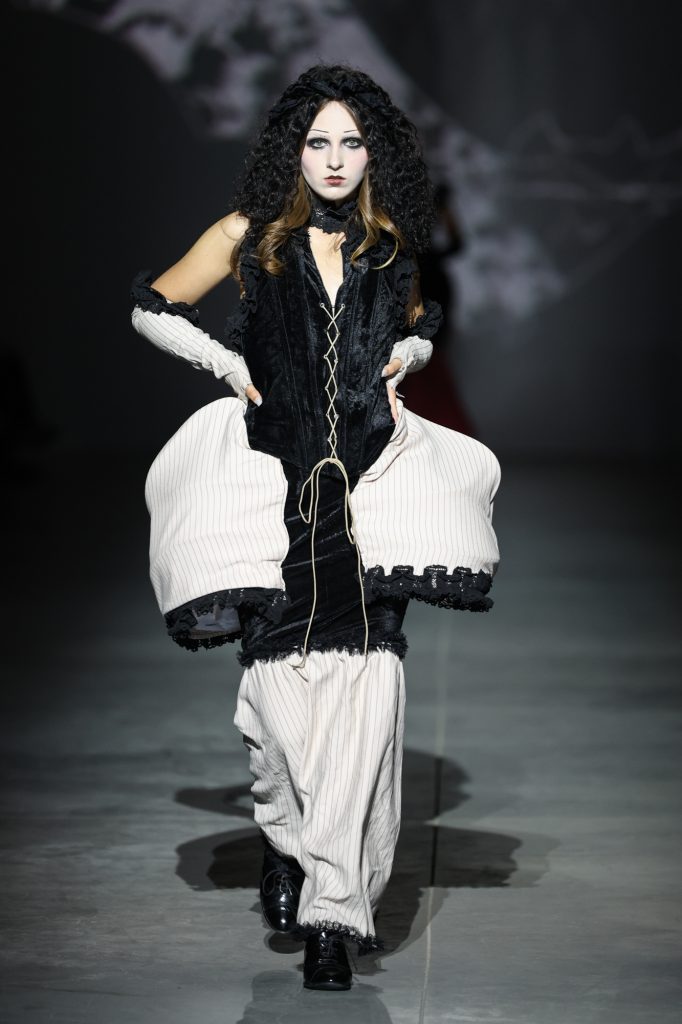
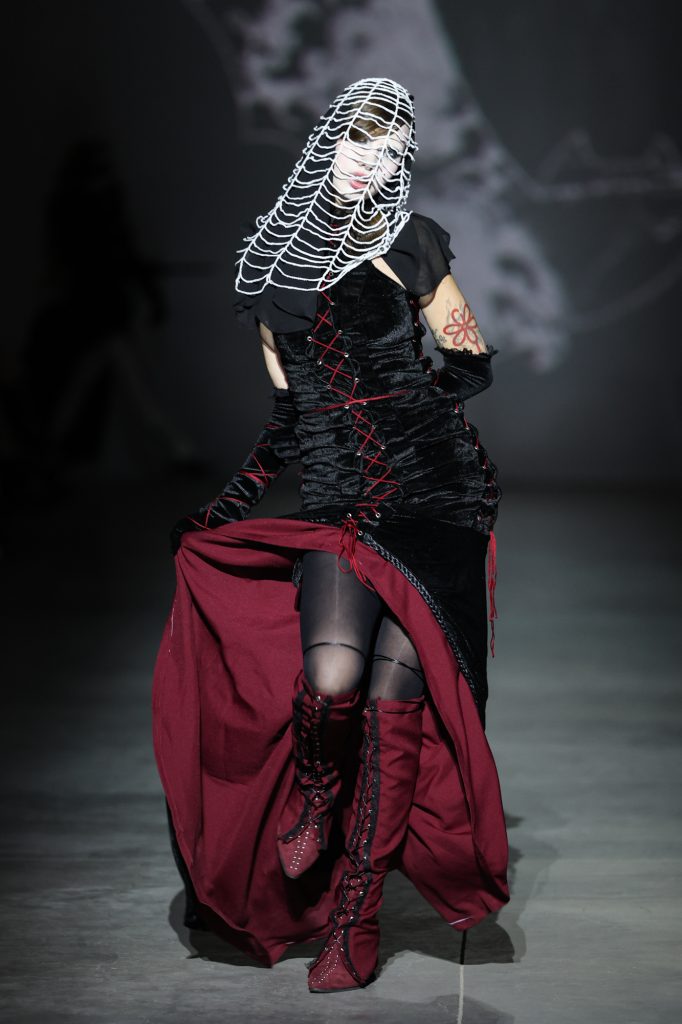
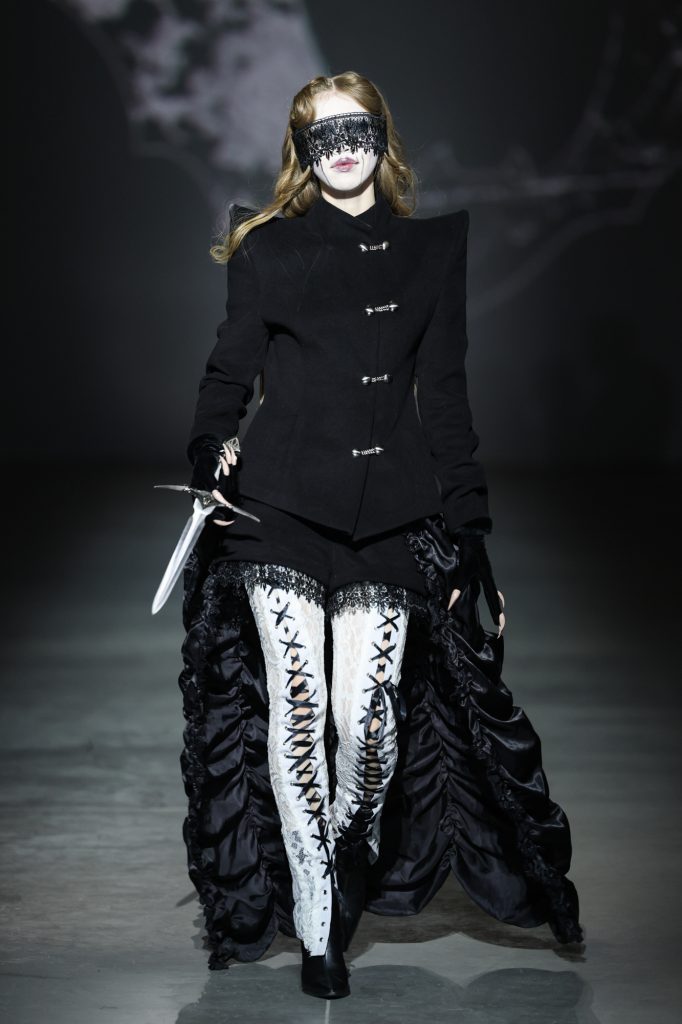
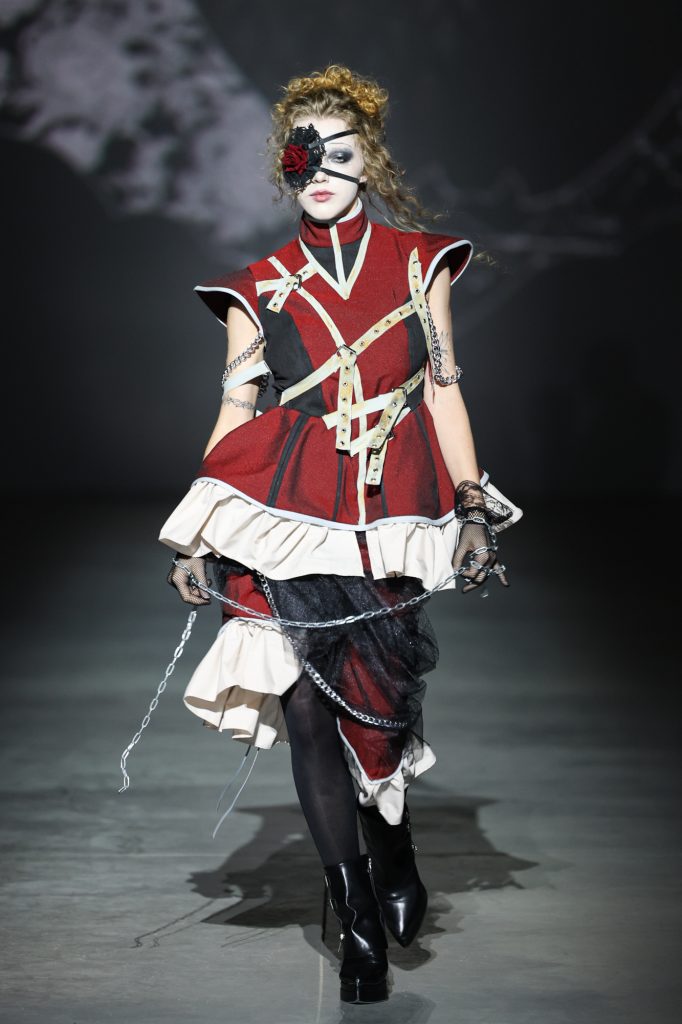
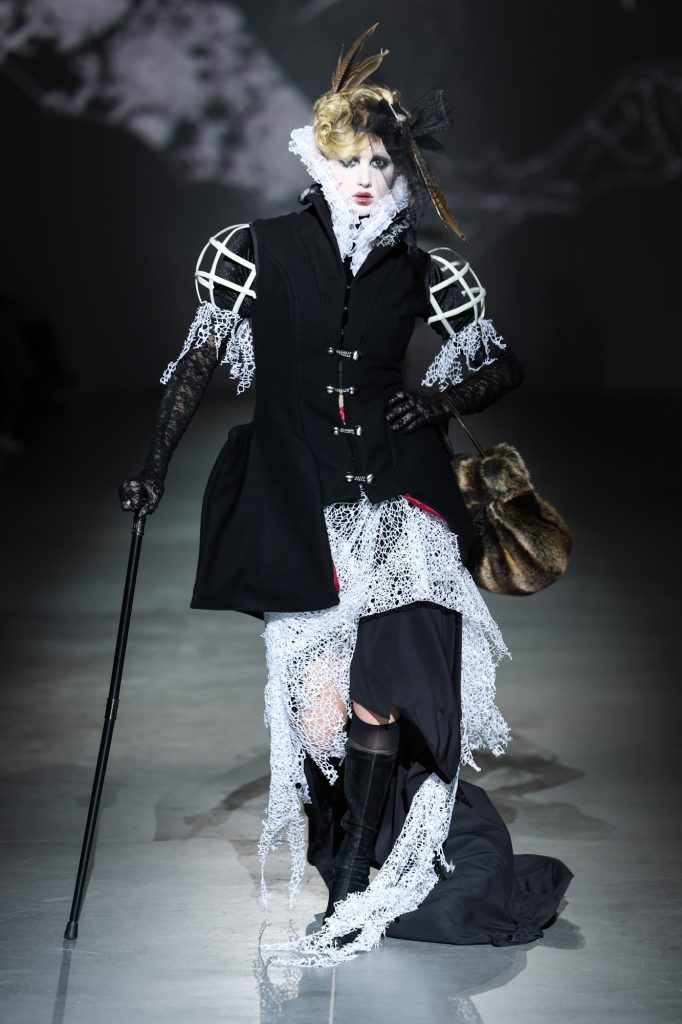
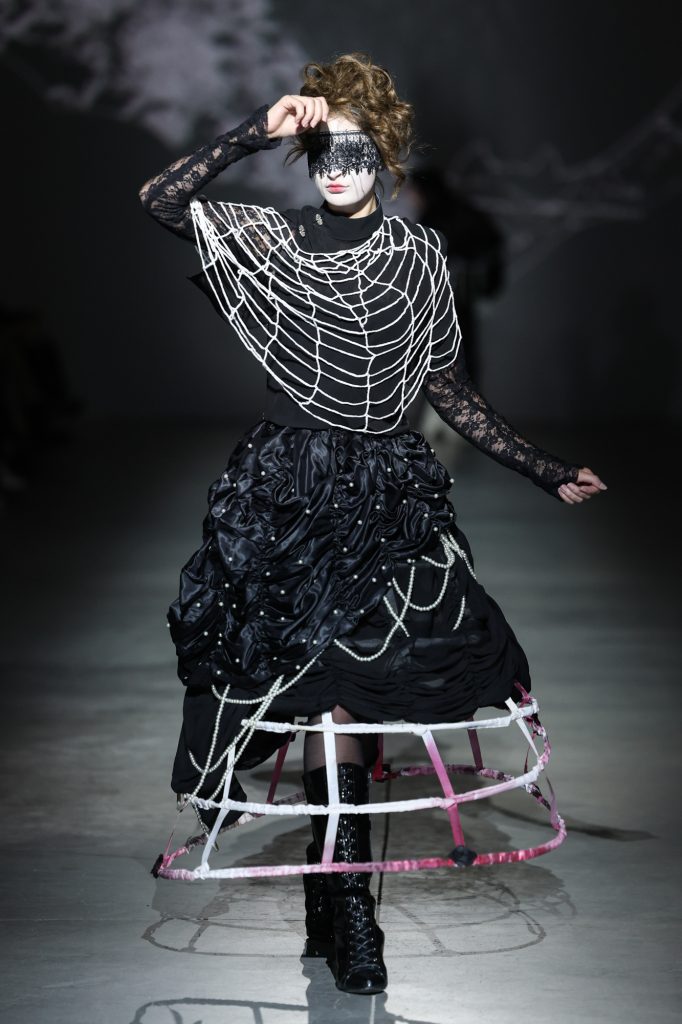
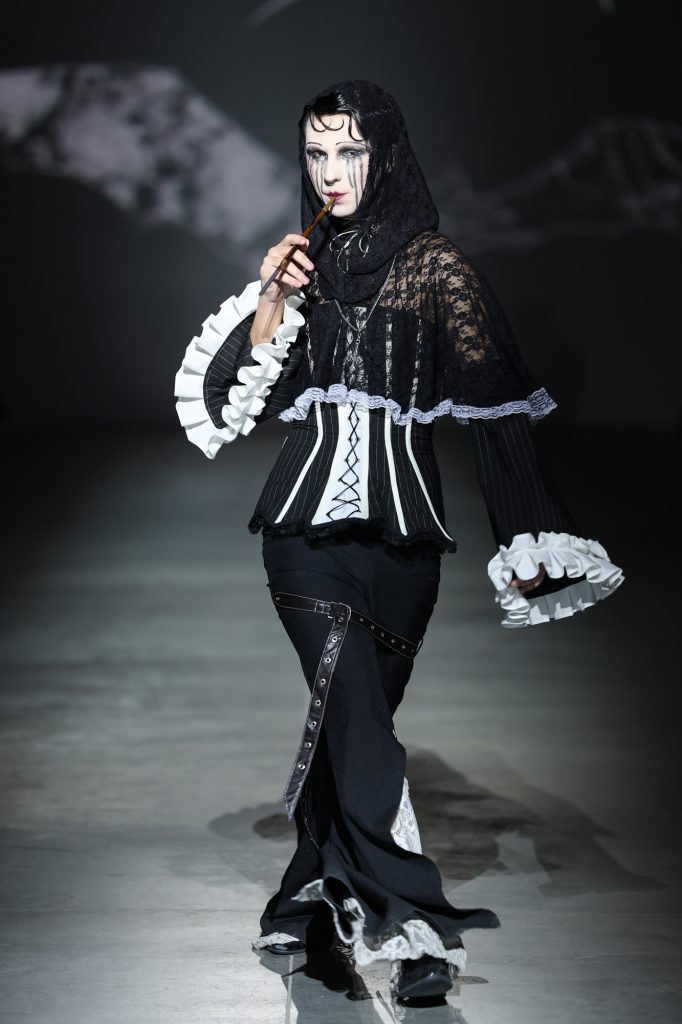
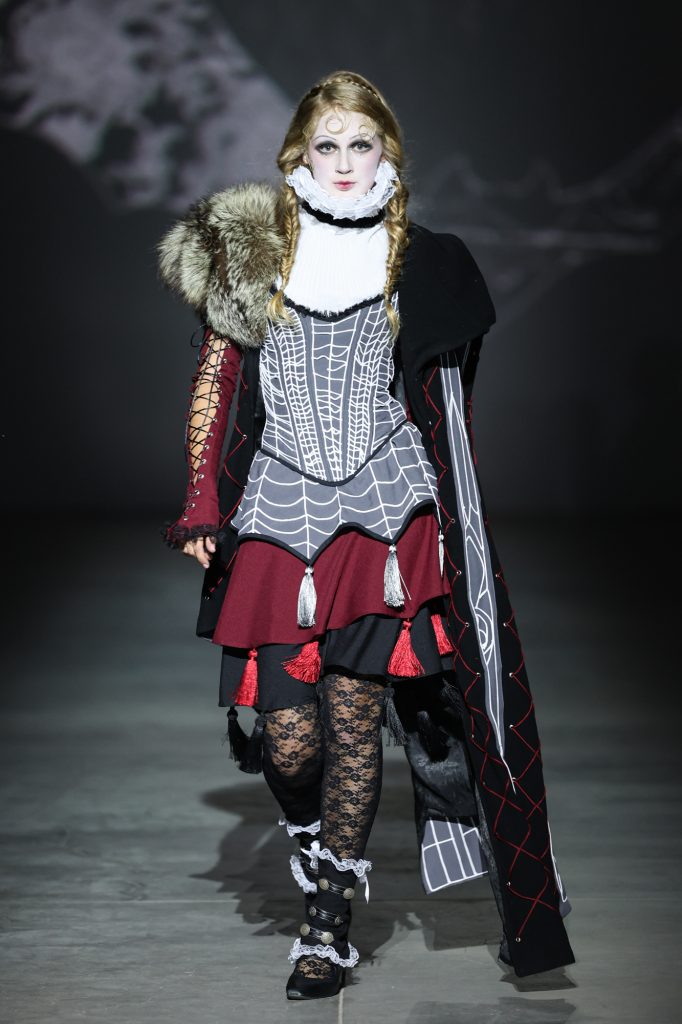
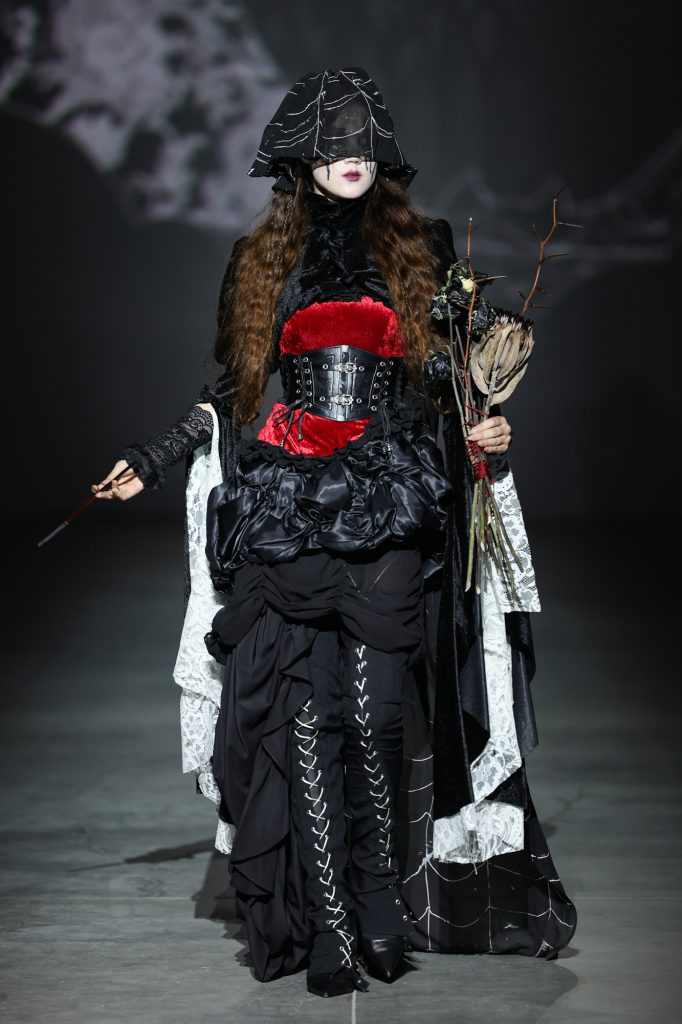
KAZHAN ELIS presents its debut collection, Cathedral Spider Lace, created for the New Names program of Ukrainian Fashion Week SS27 — an artistic manifesto advocating for the preservation of historic architecture.
The collection is inspired by St. Nicholas Roman Catholic Cathedral in Kyiv, the iconic Neo-Gothic landmark designed by Vladyslav Horodetskyi. Through the language of fashion, the brand draws attention to the urgent need to preserve this architectural monument. Exposed metal crinoline and pannier frames become metaphors for restoration scaffolding, symbolizing the journey from destruction to renewal.
KAZHAN ELIS combines the structural logic of historical costume with contemporary tailoring, creating bohemian, subtly androgynous yet feminine silhouettes. Gothic aesthetics, layered construction, and exaggerated forms express the complexity of human nature while maintaining a dialogue with cultural memory.
The collection’s concept is reinforced through artificially aged fabrics, traces of rust, distressed surfaces, damaged structures, and hand-knitted spider webs — symbols of time, neglect, and the gradual decay of historical monuments. At the same time, roses emerging through the ruins embody beauty capable of surviving the passage of time.
Cathedral Spider Lace reminds us that cultural memory does not disappear without a trace. Sometimes, all it takes is brushing away the dust and cobwebs to rediscover the value of what has always been there.
hope by hope
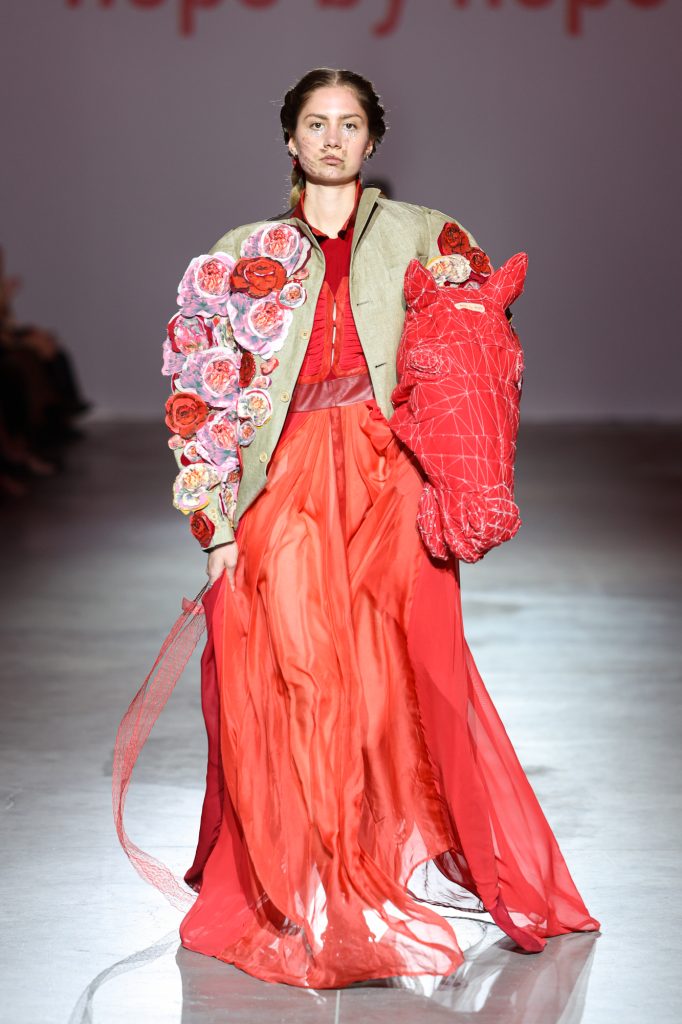
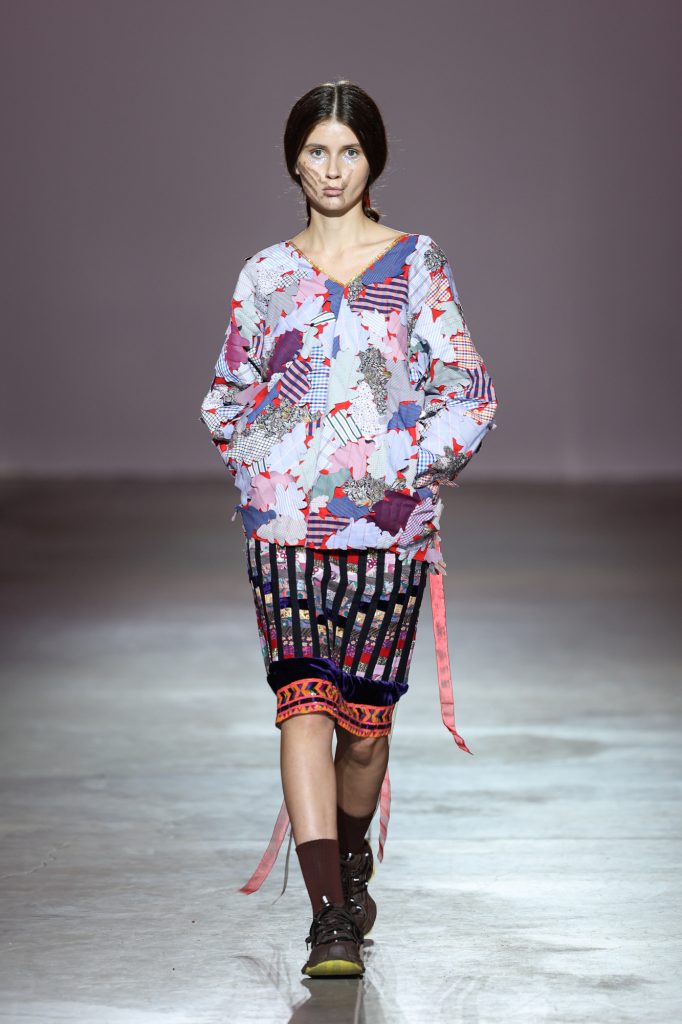
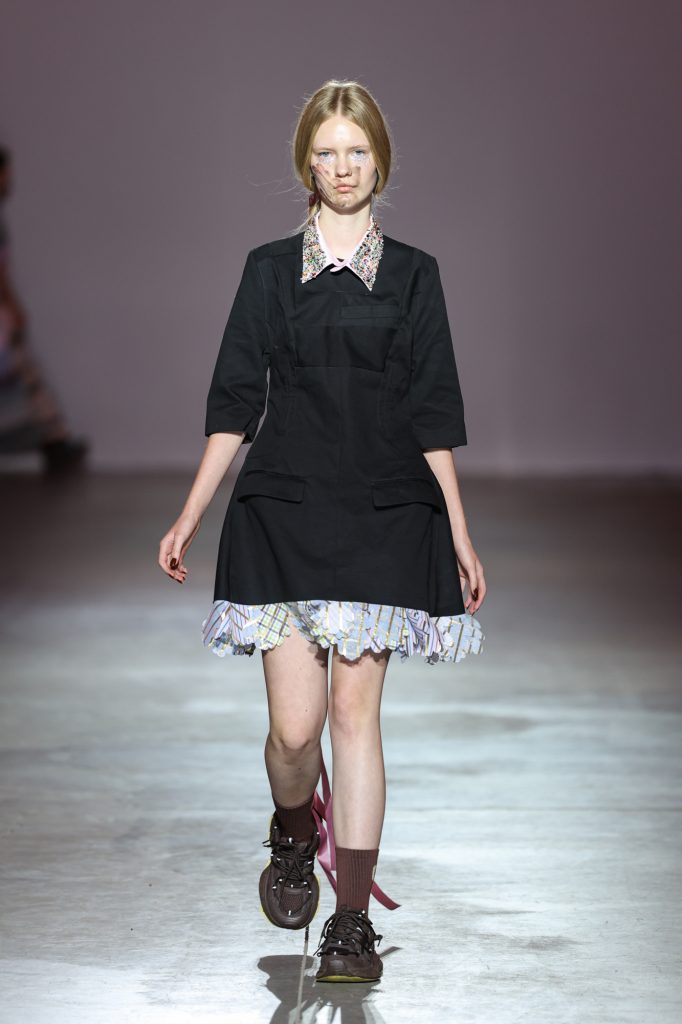
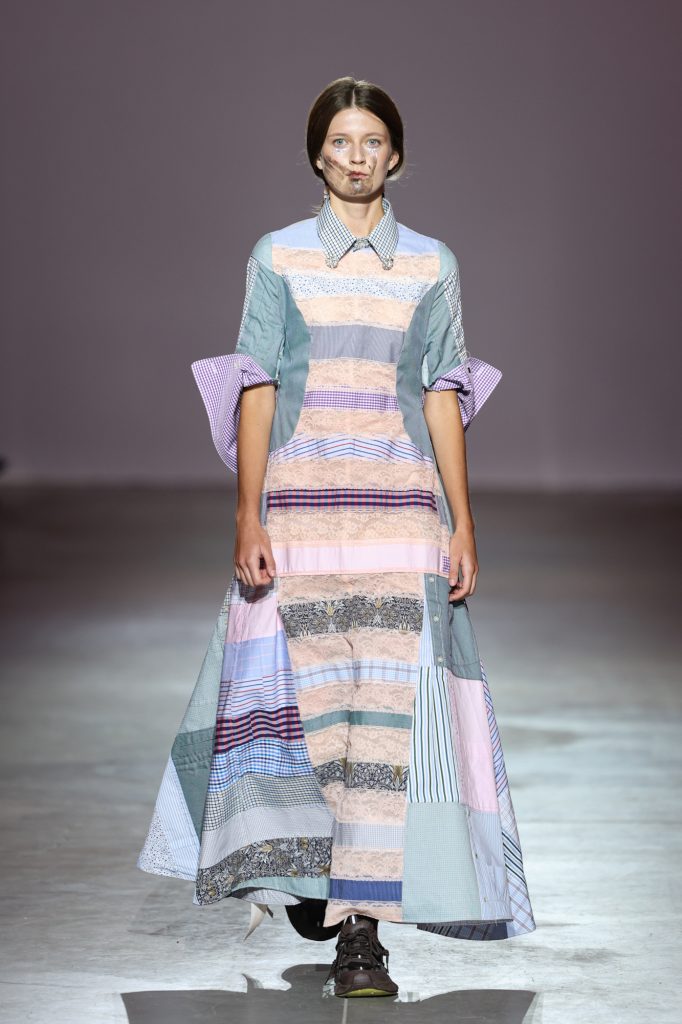
For New Names SS27, hope by hope presents “ Evfrosyniia ” – a personal artistic and civic manifesto about memory, forced disappearance, the right to life, and restoring the voices of those whom history has attempted to erase.
The collection takes its name from a true story discovered in the designer’s family history. Evfrosyniia was born on July 1, 1915, into a Cossack family and disappeared at the age of three in 1918 – a time of profound historical upheaval.
“I am her descendant. I know about her and I remember her. I am giving her back the right to life, beauty, a voice and memory, because every life matters, no matter how short it was or how tragically it ended.” This is the personal impulse behind the collection.
Evfrosyniia’s story becomes a mirror of the present. In 2026, Ukraine is once again experiencing the tragedy of children disappearing: as a result of Russian aggression, Ukrainian children are being forcibly displaced and deported, losing connection with their families, their homes, their language and their cultural memory.
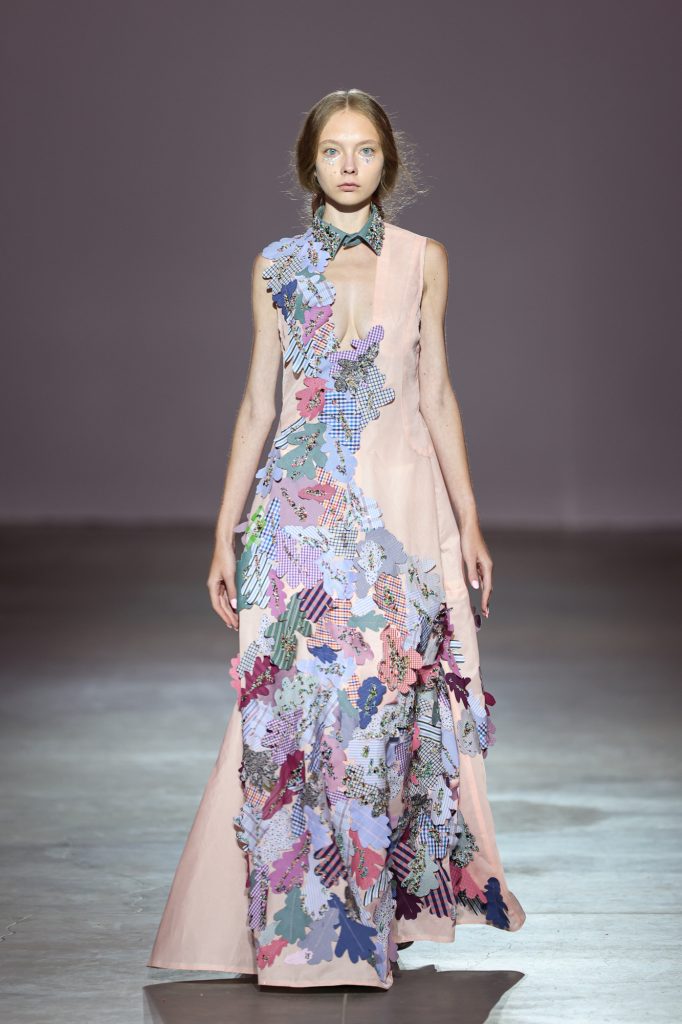
The collection becomes a visual manifesto against the erasure of memory.The collection is built around vintage men’s jackets and shirts – symbols of rigid social structures, patriarchal constraints, authority, and militarism. In hope by hope’s practice, upcycling goes beyond an ecological approach. It becomes a method of working with memory: the designer does not erase the past, but takes it apart in order to reconstruct another reality.
An important symbol of the collection is oak foliage – a symbol of the family tree, generations, continuity, and strength. “ Evfrosyniia ” brings the name of a forgotten child back into the present while speaking for those whom we cannot allow ourselves to forget today.
One hundred years later, her name is heard again.