SS27: TONiA show
The theme of TONiA’s new SS27 collection is the Parisian La Belle Époque was a period in European fashion and culture at the turn of the 20th century, when women’s wardrobes were rapidly transforming alongside broader social change. The suffragette movement for voting rights, access to education, and the right to work was reshaping women’s role in society.
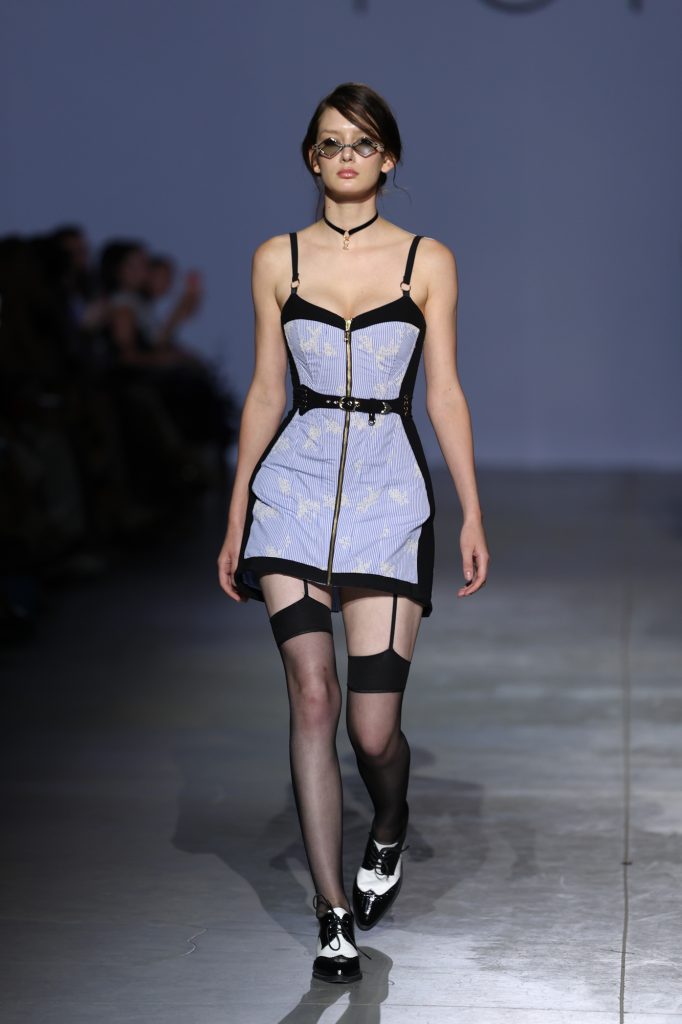
During this period, women entered new professions and, in doing so, gradually began adopting elements of menswear.It was this image of the emancipated woman of the early 20th century that inspired TONiA creative director Antonina Belinska. On the designer’s moodboard are photographs of British suffragette leader Emmeline Pankhurst, scientist Marie Skłodowska-Curie, and actress Lily Elsie, alongside theatre posters and clippings from European fashion magazines.
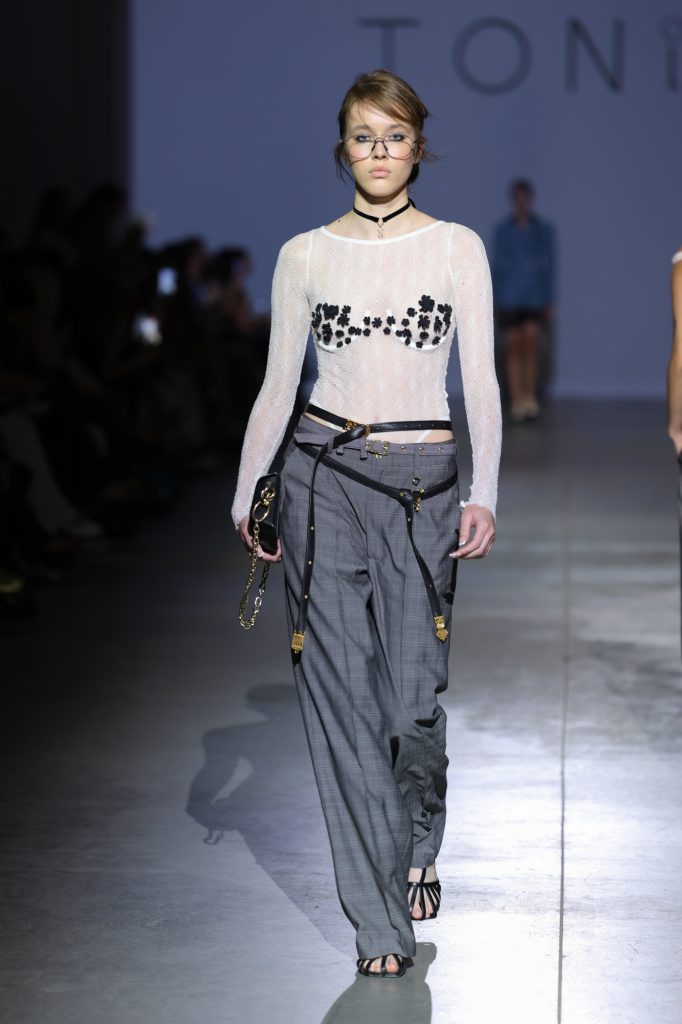
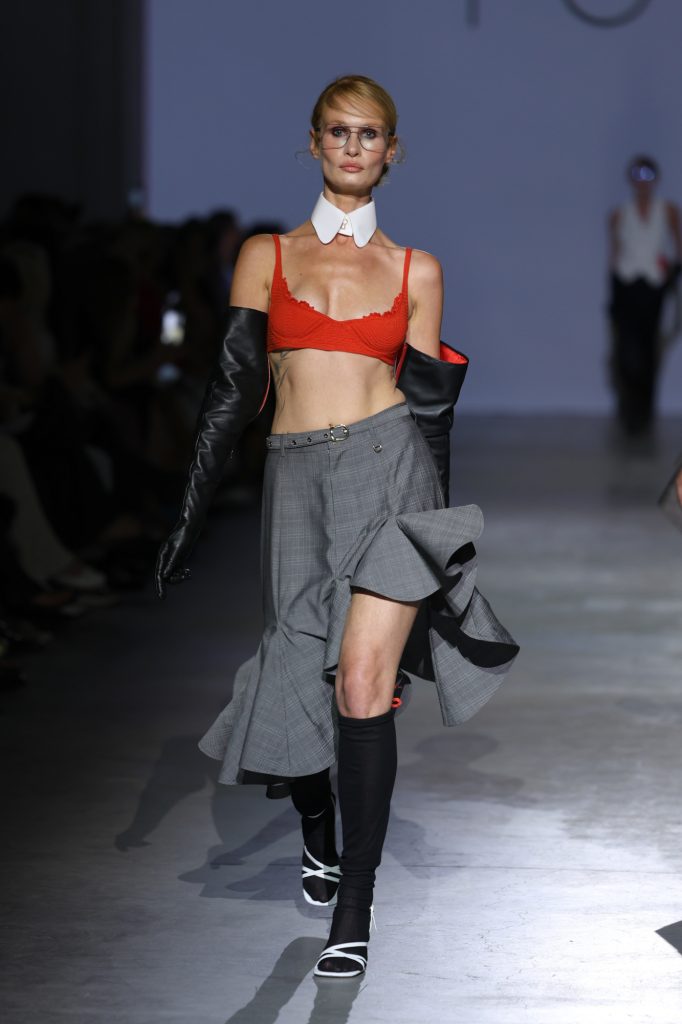
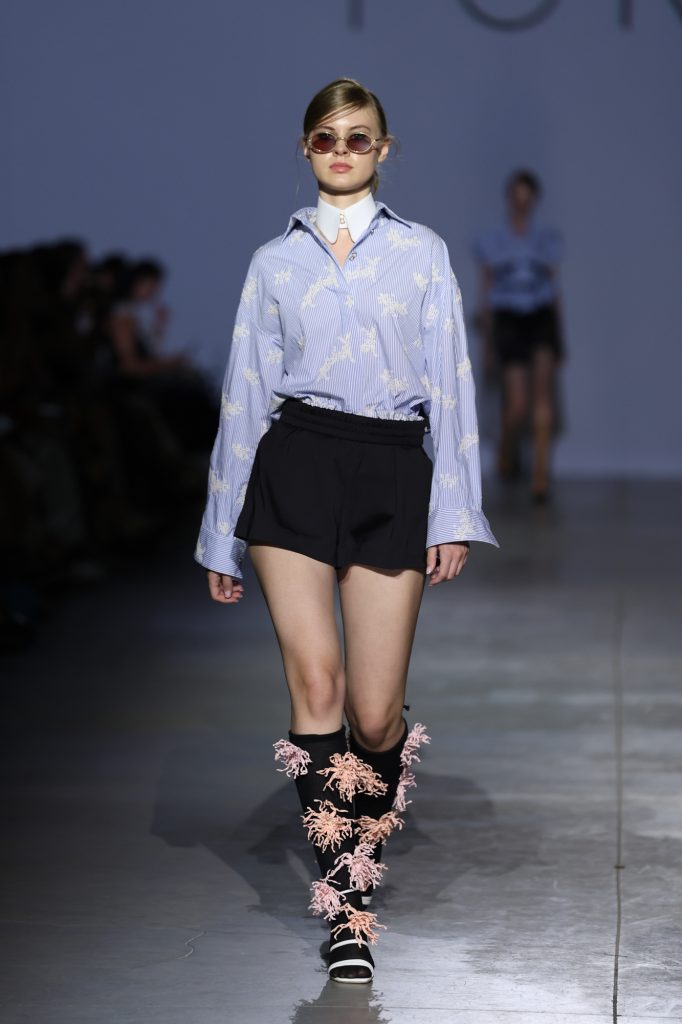
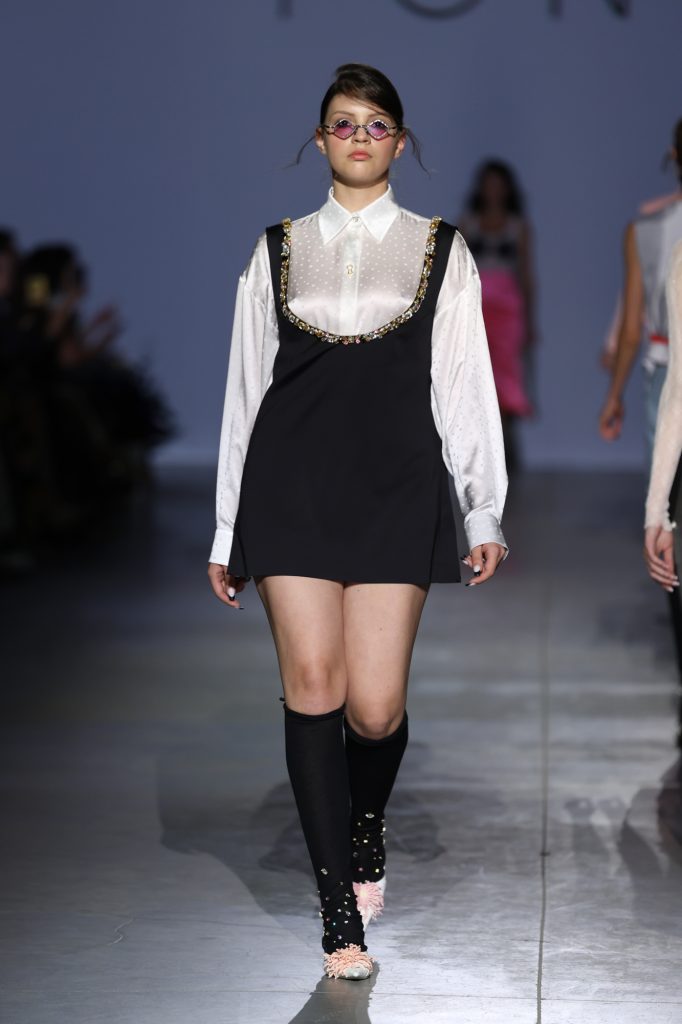
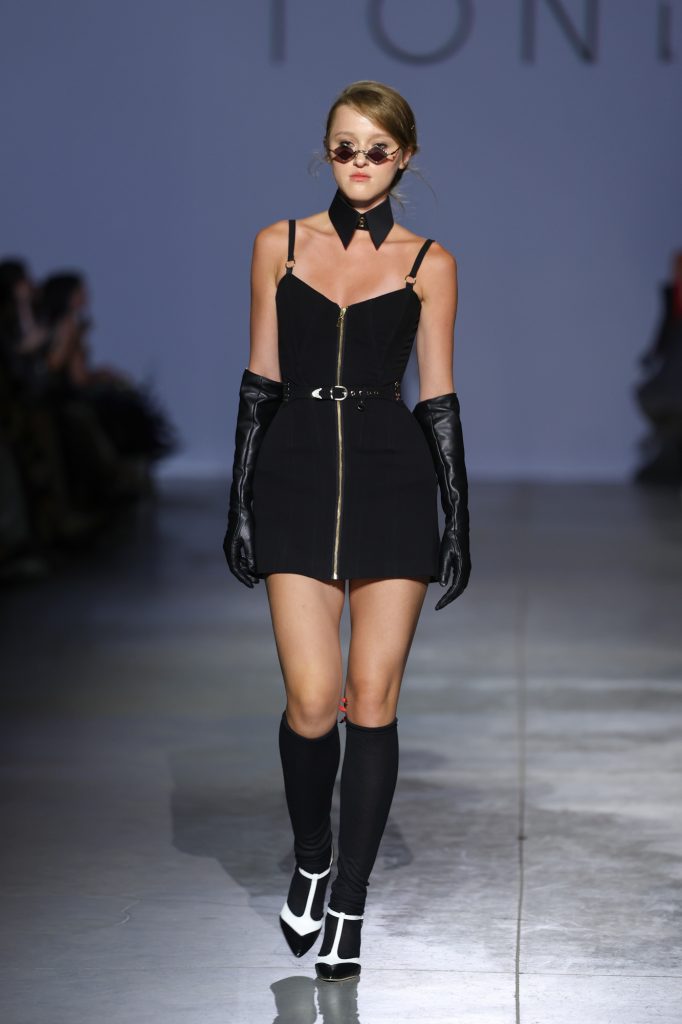
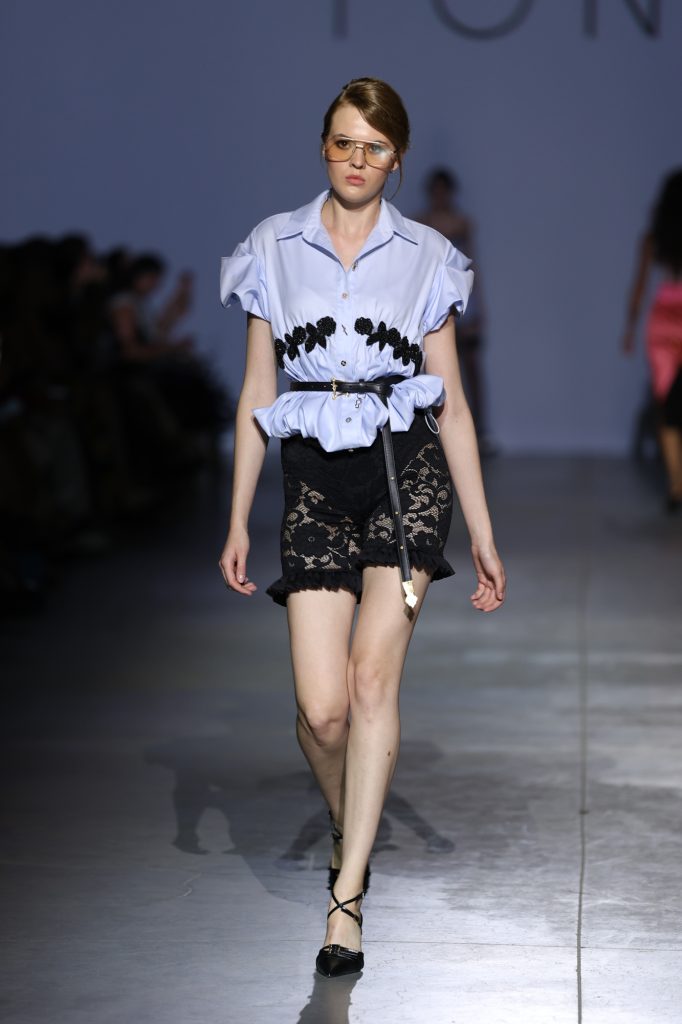
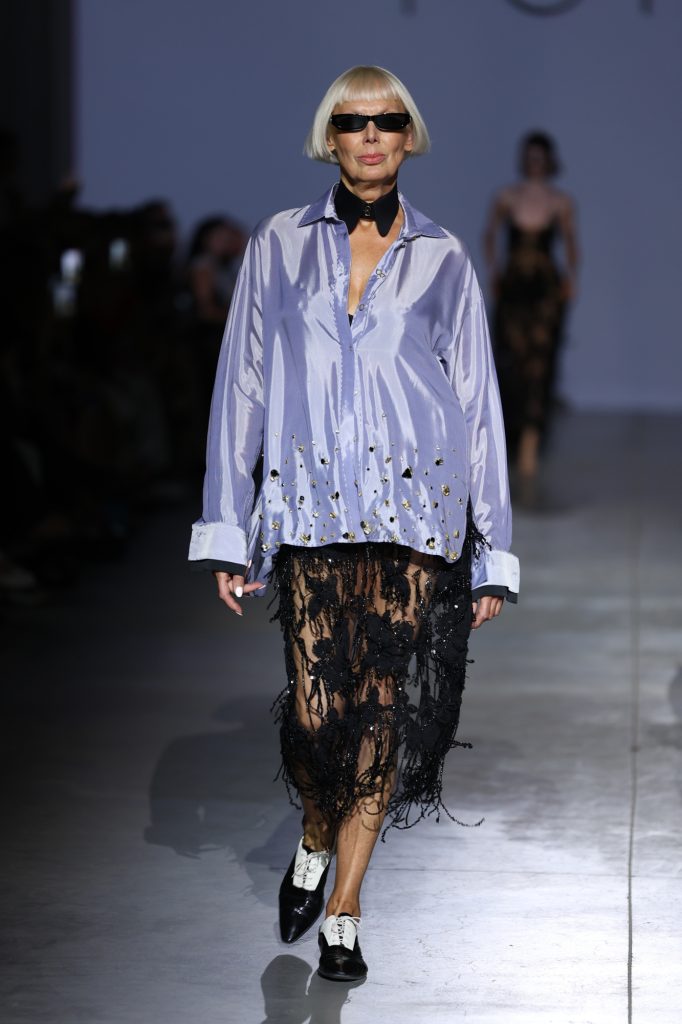
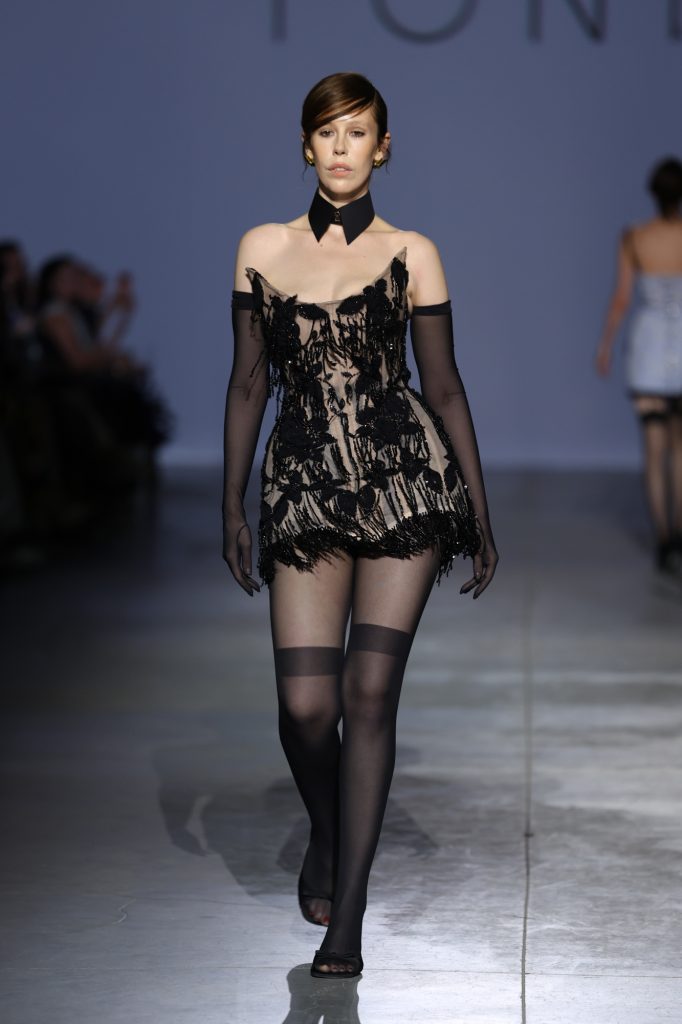
One of the collection’s central elements is the shirtwaist—a women’s blouse constructed along the lines of a man’s shirt, which became an important part of the everyday wardrobe in the early 20th century. It was worn with suits, to work, for sports, and while cycling, and the shirtwaist itself became associated with the image of the new working woman. In TONiA’s collection, this idea continues through numerous menswear-inspired shirts, as well as detachable collars reinterpreted as standalone choker accessories.
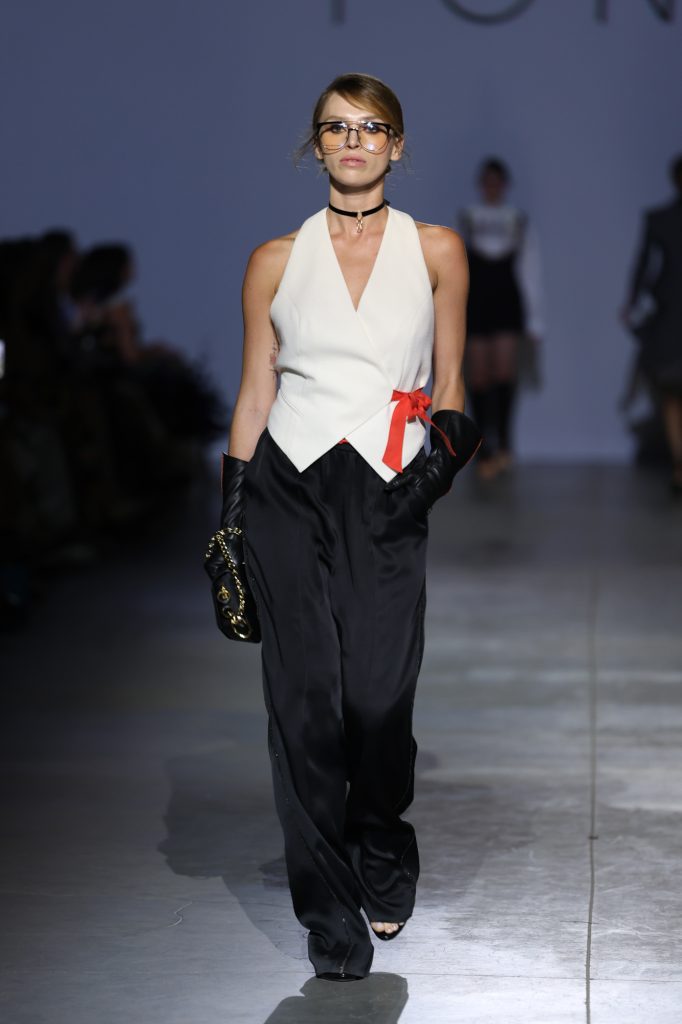
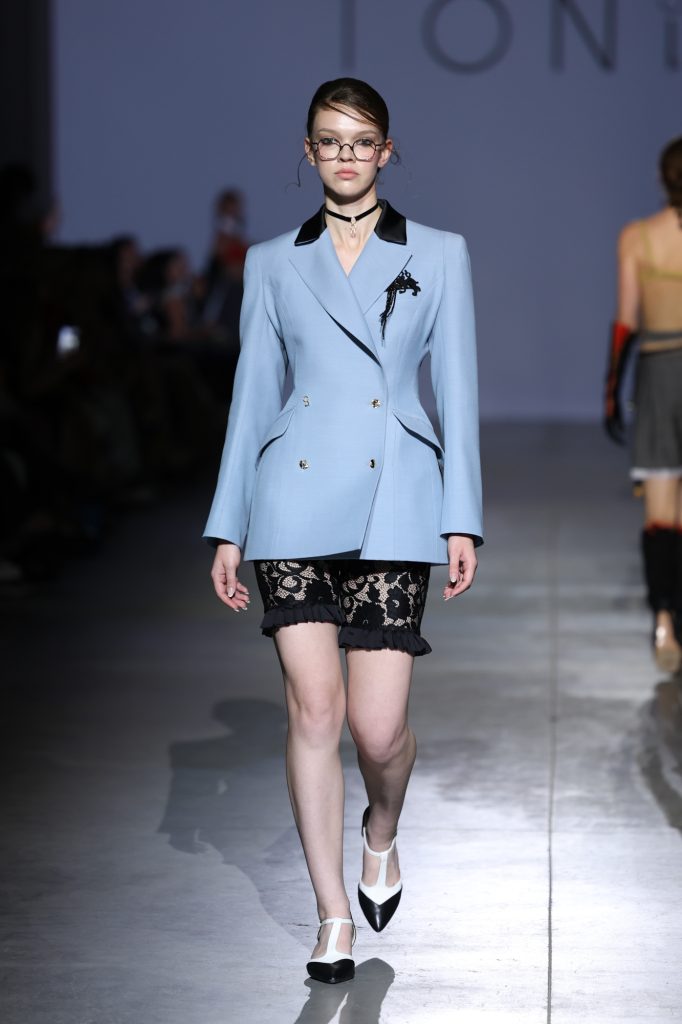
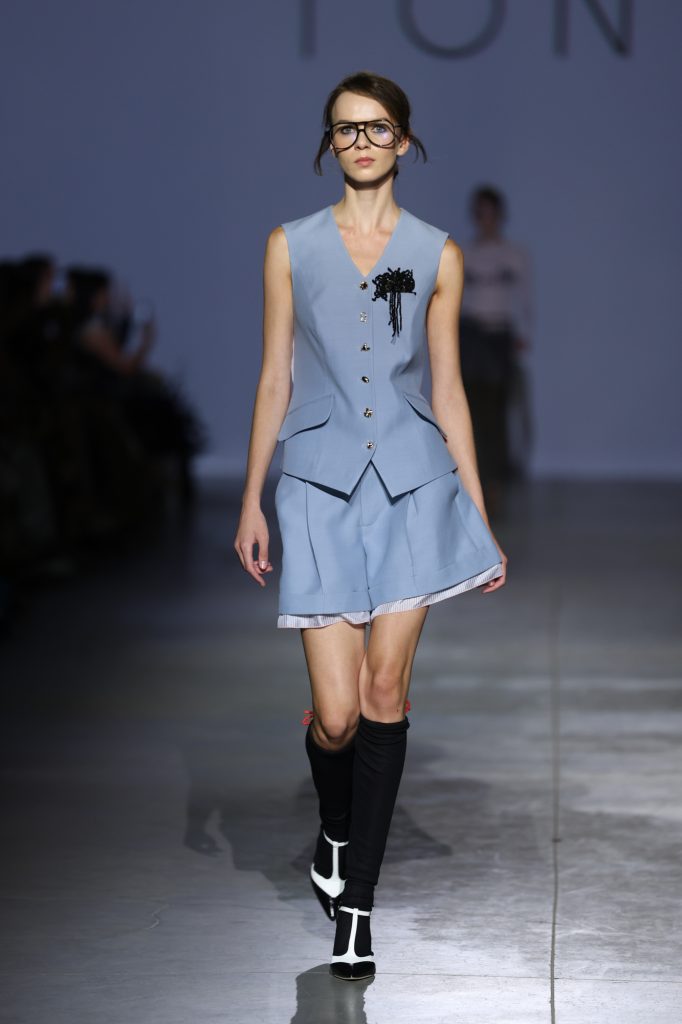
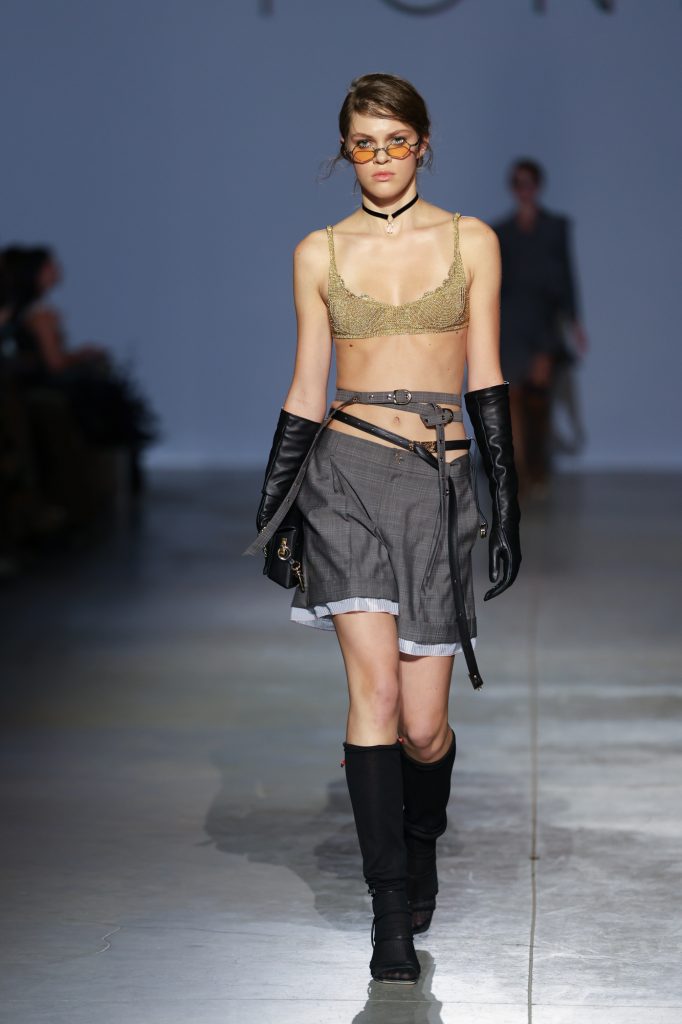
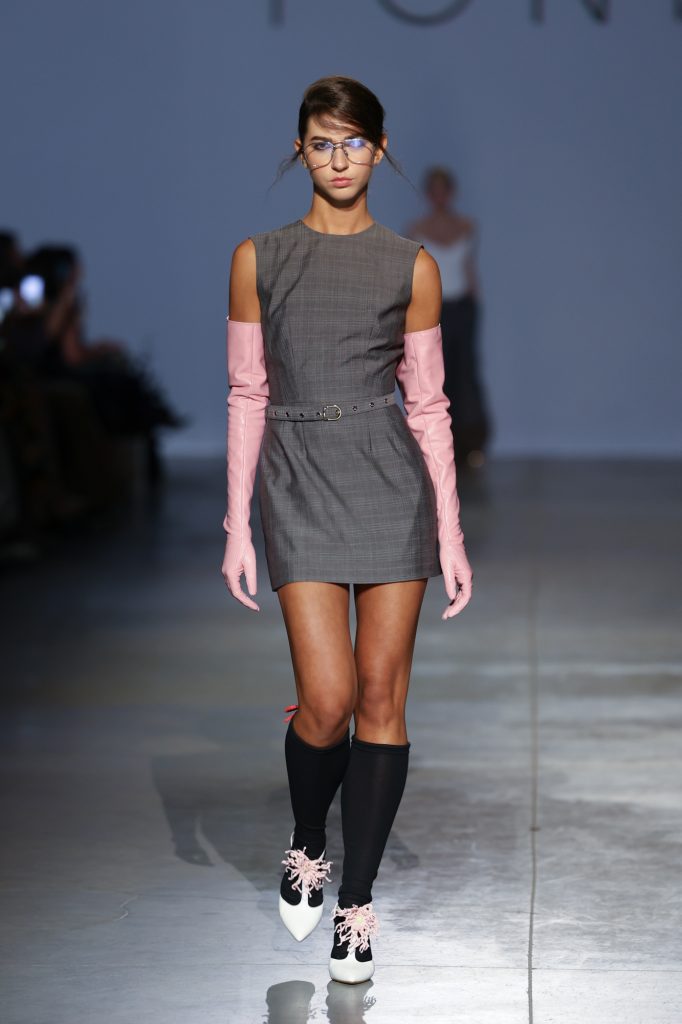
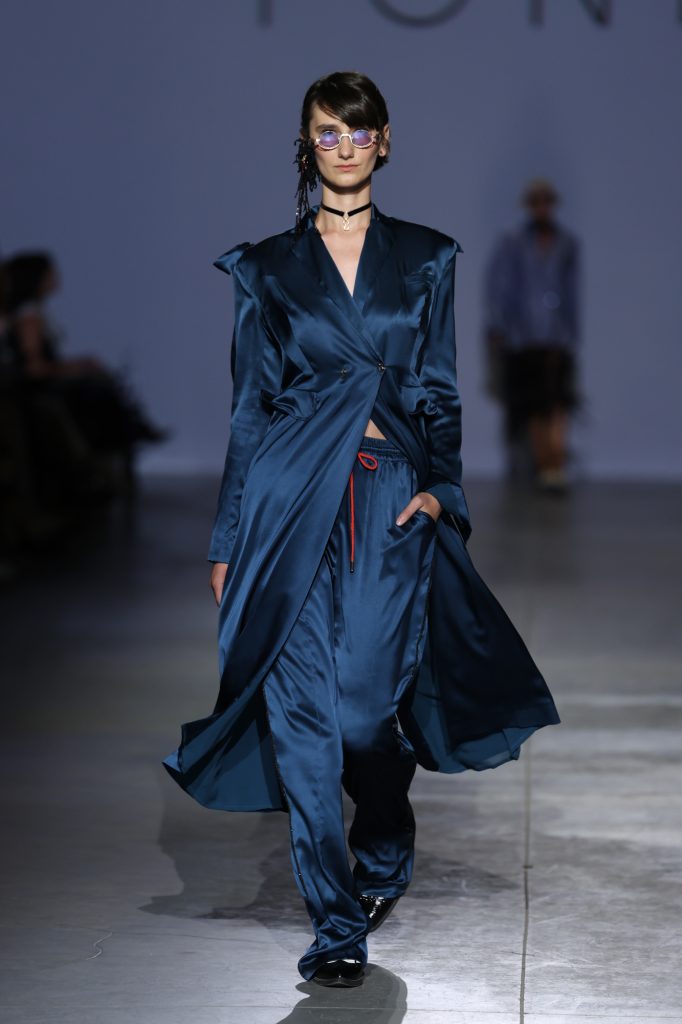
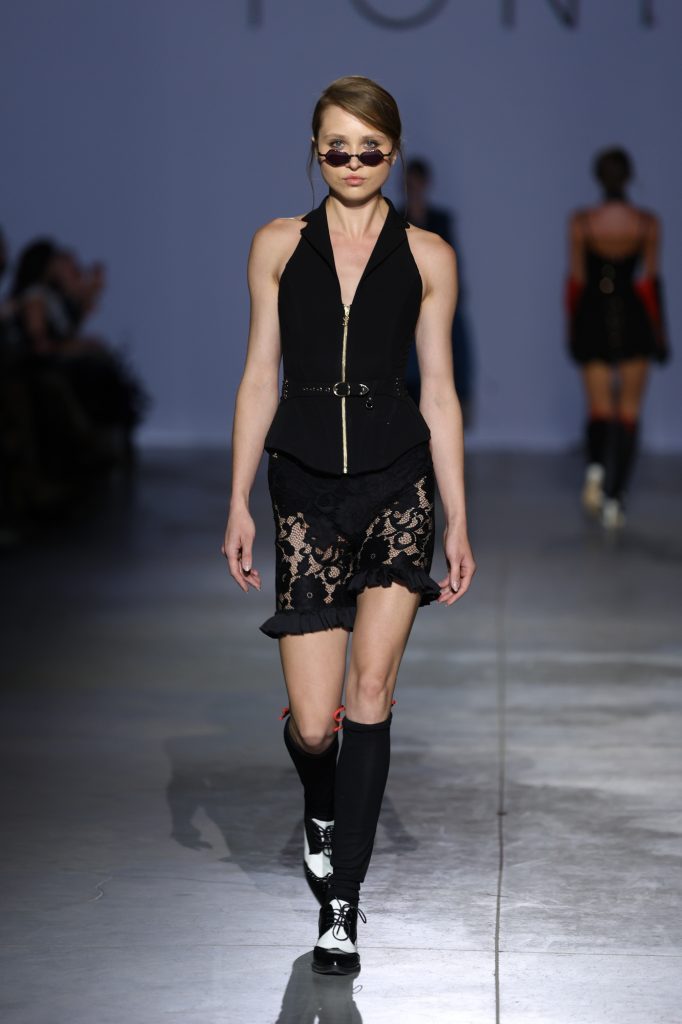
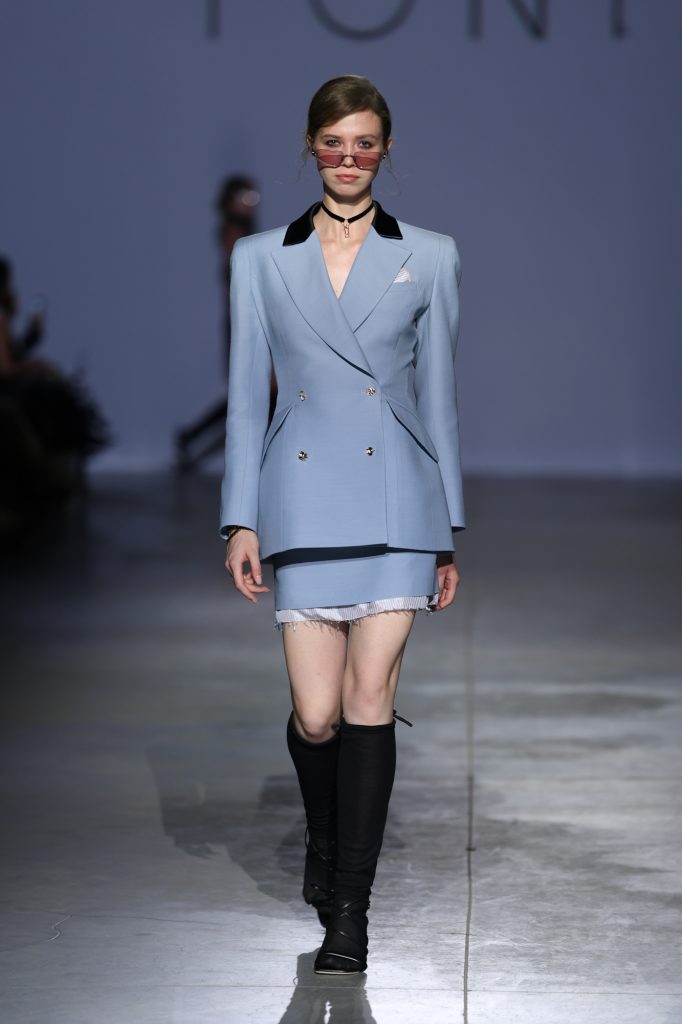
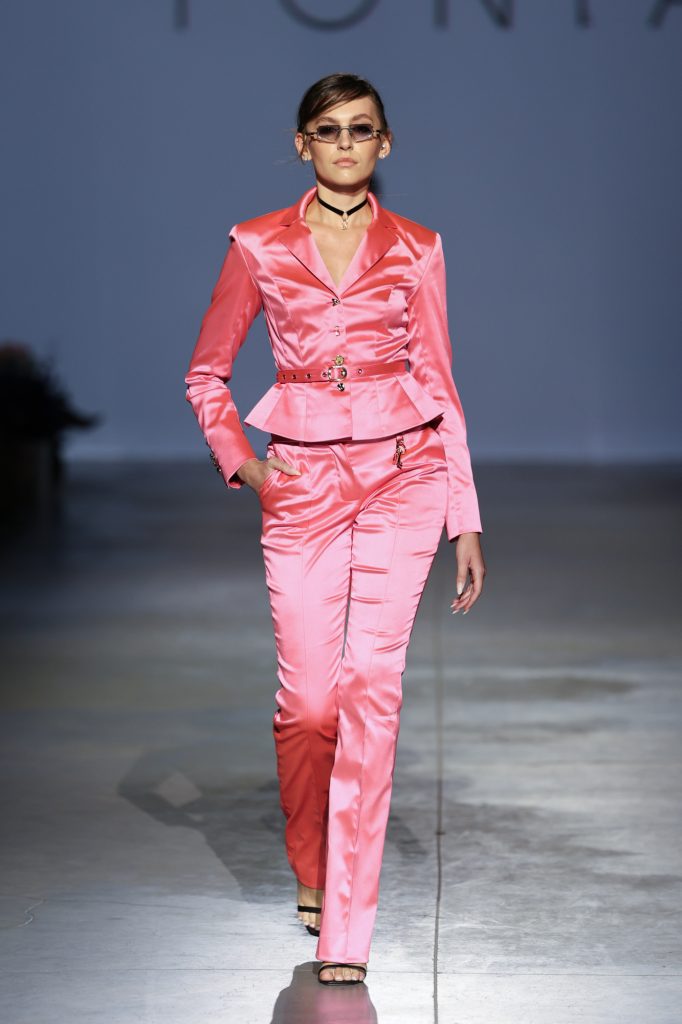
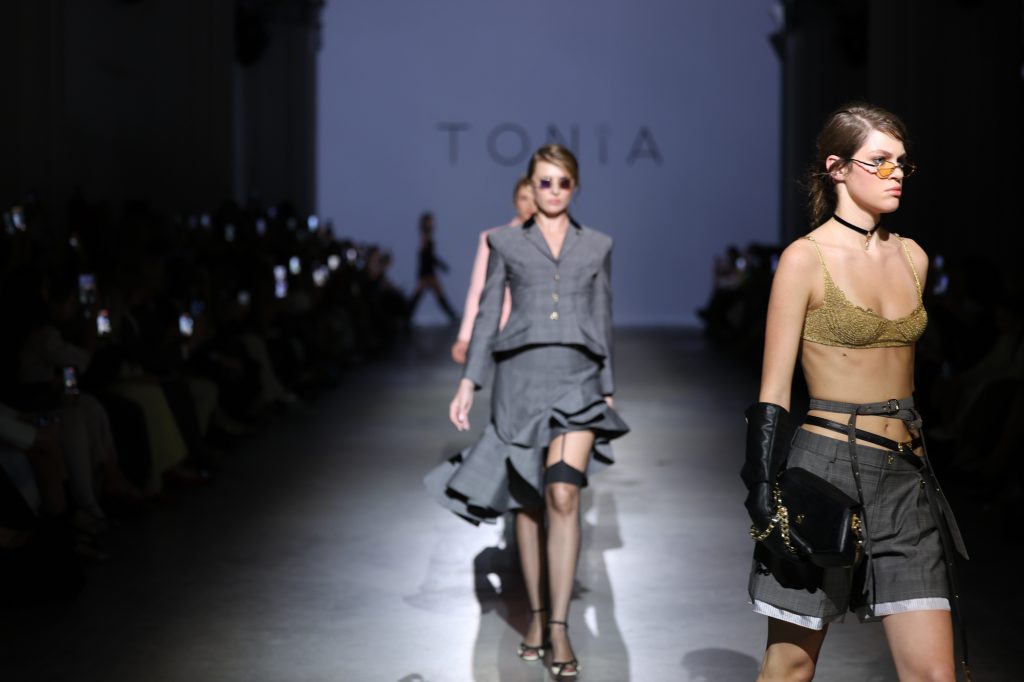
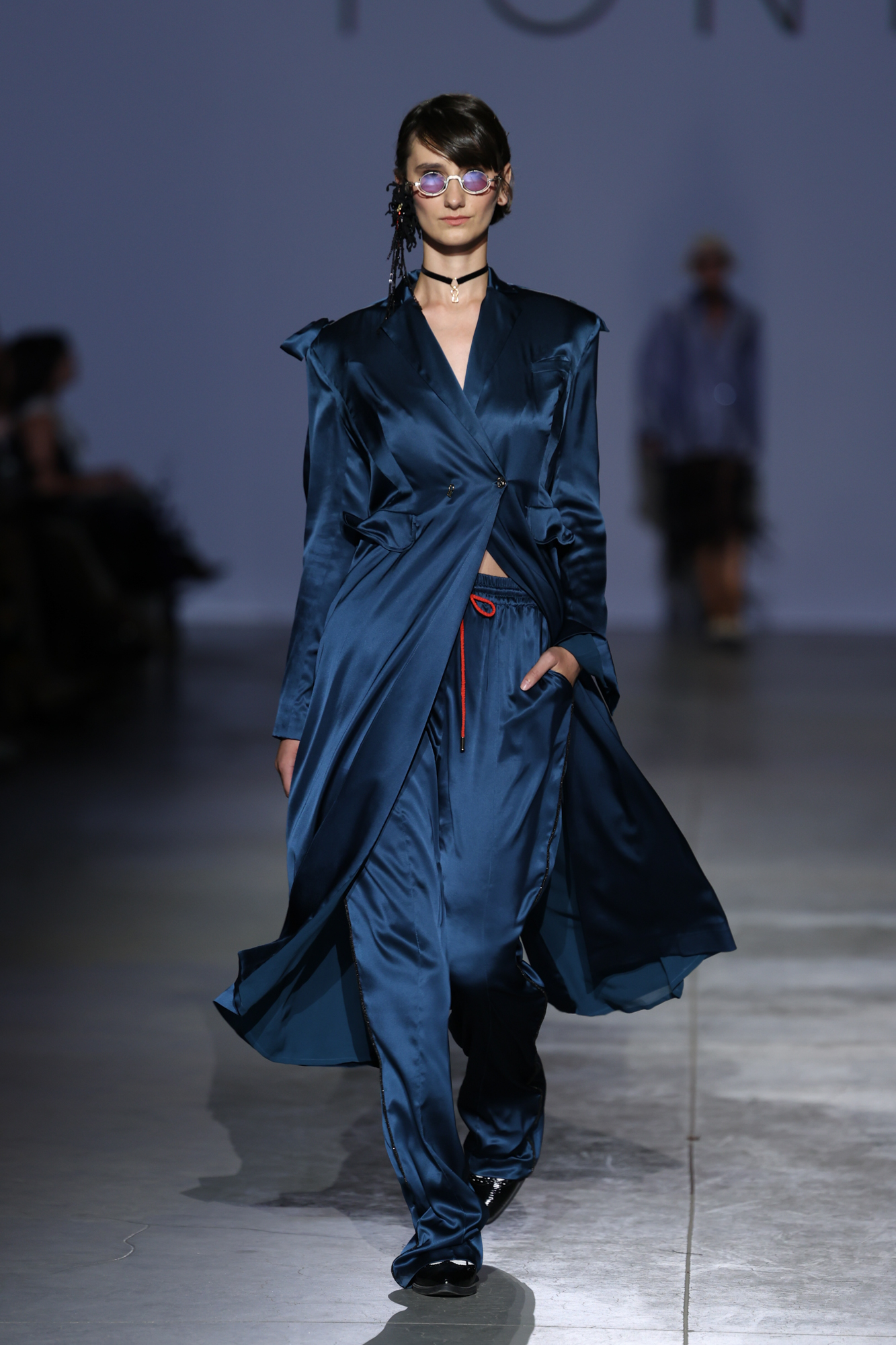
More broadly, early 20th-century menswear became one of the collection’s key references. Hence the abundance of trousers and shorts, waistcoats, and jackets. TONiA constructs the latter using canvas interlining and the techniques of traditional men’s bespoke tailoring, combining classic sartorial construction with distinctly feminine silhouettes.
“For me, this collection is first and foremost about emancipation—the moment when the flower-like woman suddenly becomes a career woman. I was interested in exploring the point at which menswear began to enter the female wardrobe and expressing that process through the language of TONiA,” says Antonina Belinska.
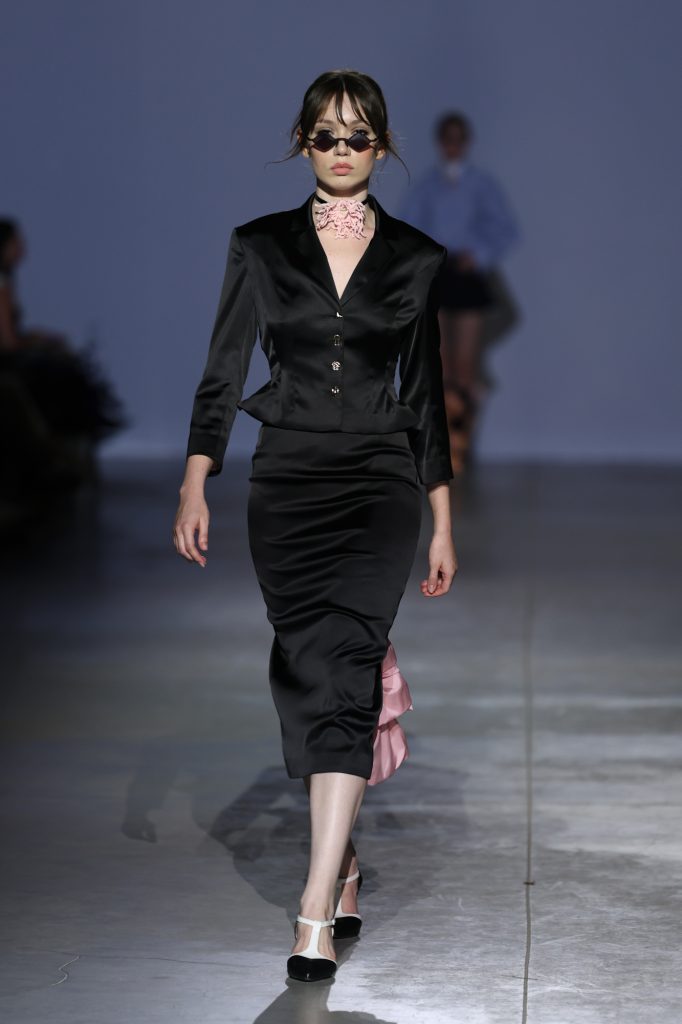
As always, the designer does not reproduce historical silhouettes literally. In one skirt, a voluminous, multilayered petticoat deliberately peeks out from beneath the top layer—a reference to the characteristic S-shaped silhouette of La Belle Époque women’s fashion.
The designer also deconstructs men’s waistcoats. Traditionally, their backs were made from lining fabric, as the waistcoat was intended to be worn beneath a jacket. In one design, Belinska removes the back entirely, leaving the body exposed; in another, she creates it from the distinctive striped lining associated with the suits of London dandies. Checks—another reference to the menswear of the period—run throughout the collection as one of its key prints.
The jackets likewise play with historical forms. Fitted, cropped styles draw inspiration from women’s outerwear of the 1900s. Belinska pays particular attention to lapels, an important decorative element of La Belle Époque tailoring. Contrasting textures and finishes evoke revers de soie—silk-faced lapels.
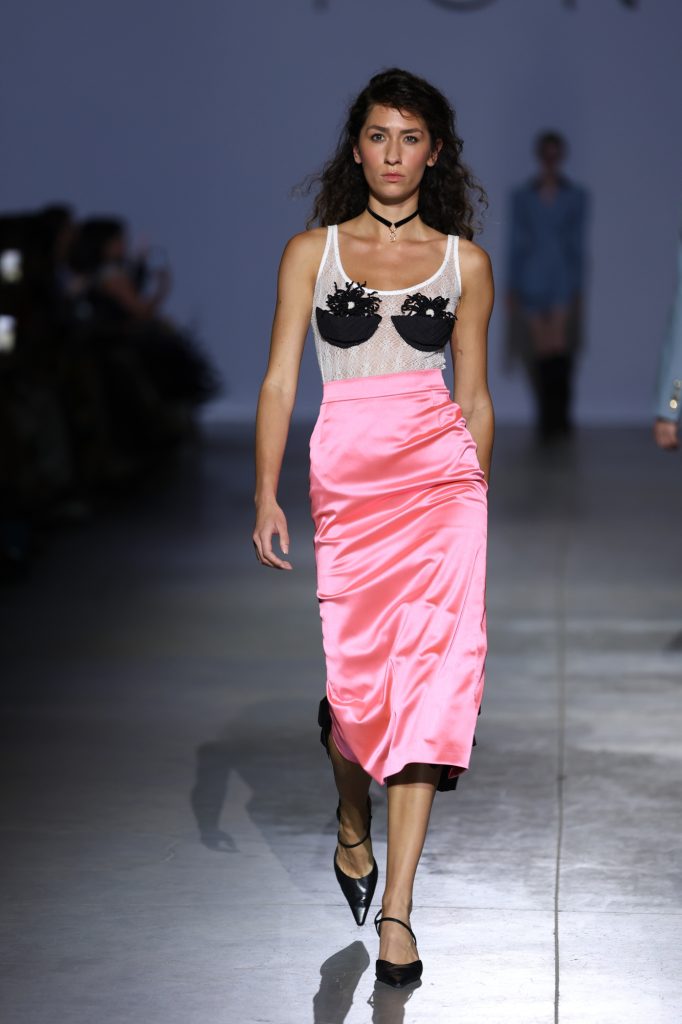
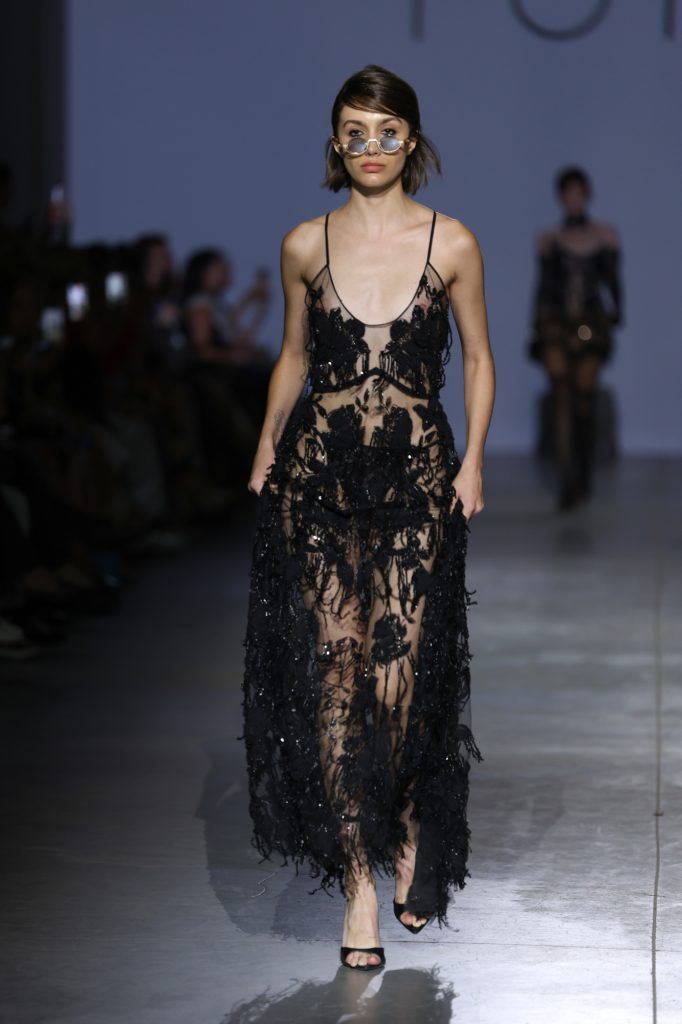
Alongside these masculine elements, the collection features semi-sheer evening dresses in black lace and embroidered fabrics—a striking reference to Parisian cabaret culture, which flourished in the early 20th century.The historical dialogue continues through the accessories. Looks are completed with black-and-white two-tone Oxfords, knee-high socks with ties, pendants on contrasting velvet ribbons, and handcrafted flower-shaped hair clips. As is characteristic of TONiA, the latter are reinterpreted through craft: the flowers for the collection are crocheted by hand.
By combining the tradition of men’s tailoring, feminine historical silhouettes, and TONiA’s signature sensuality, the new collection speaks not only to the fashion of La Belle Époque, but also to the transformation of women’s role itself—their right to be visible, independent, ambitious, and at the same time free in their own femininity.