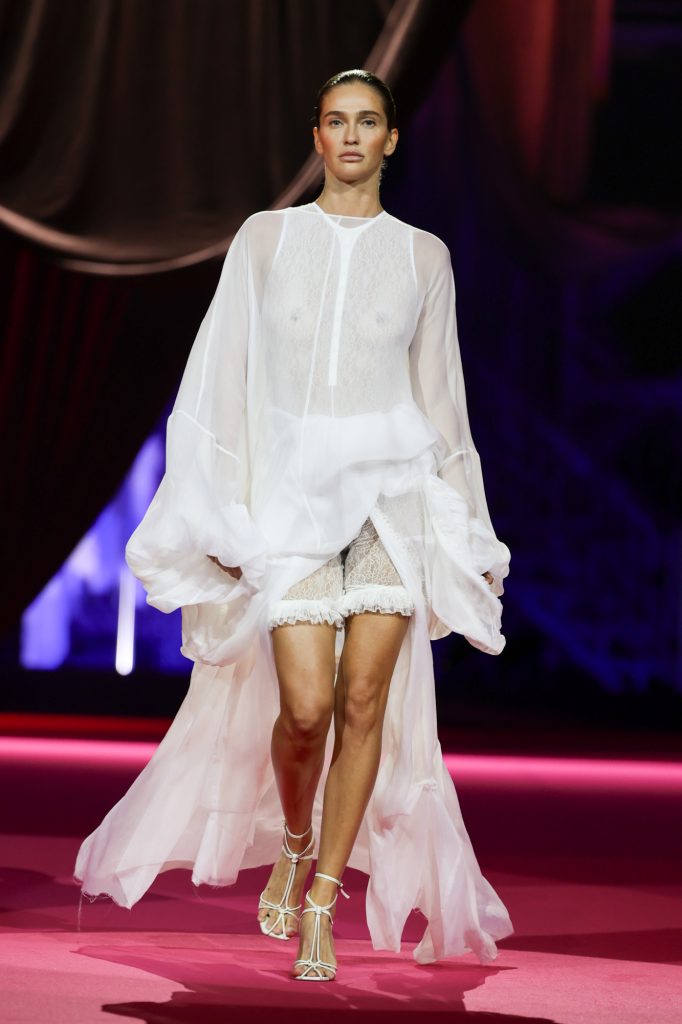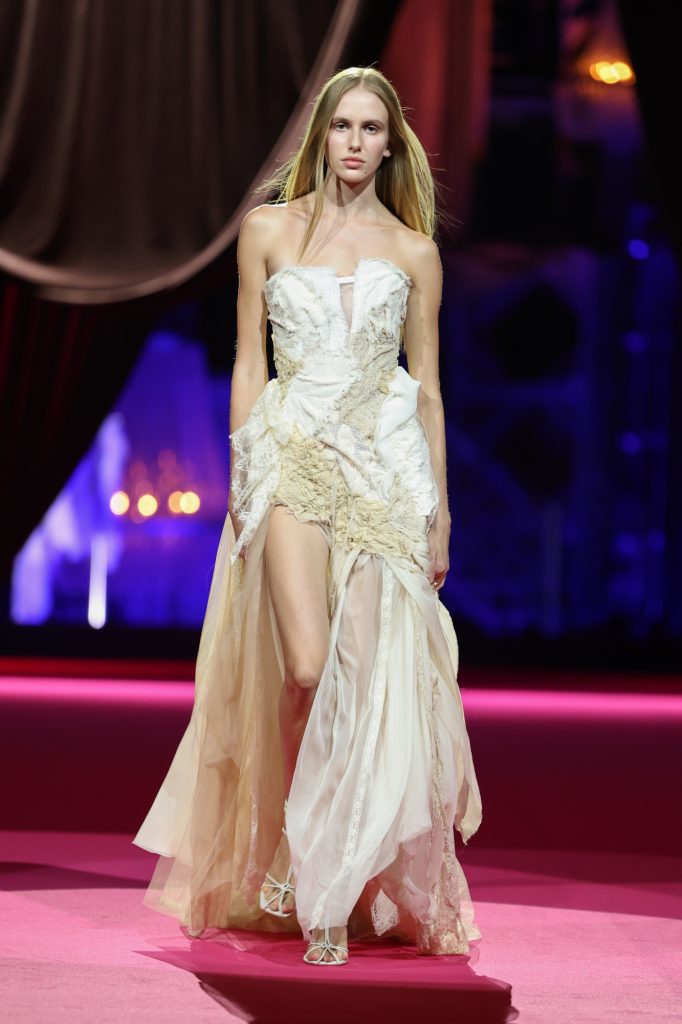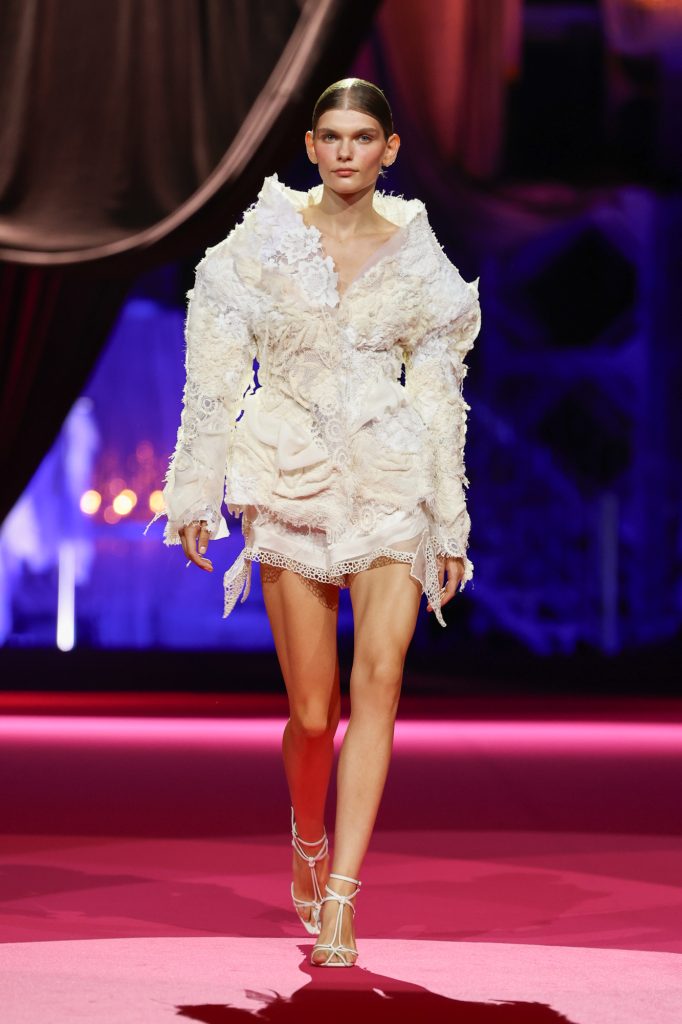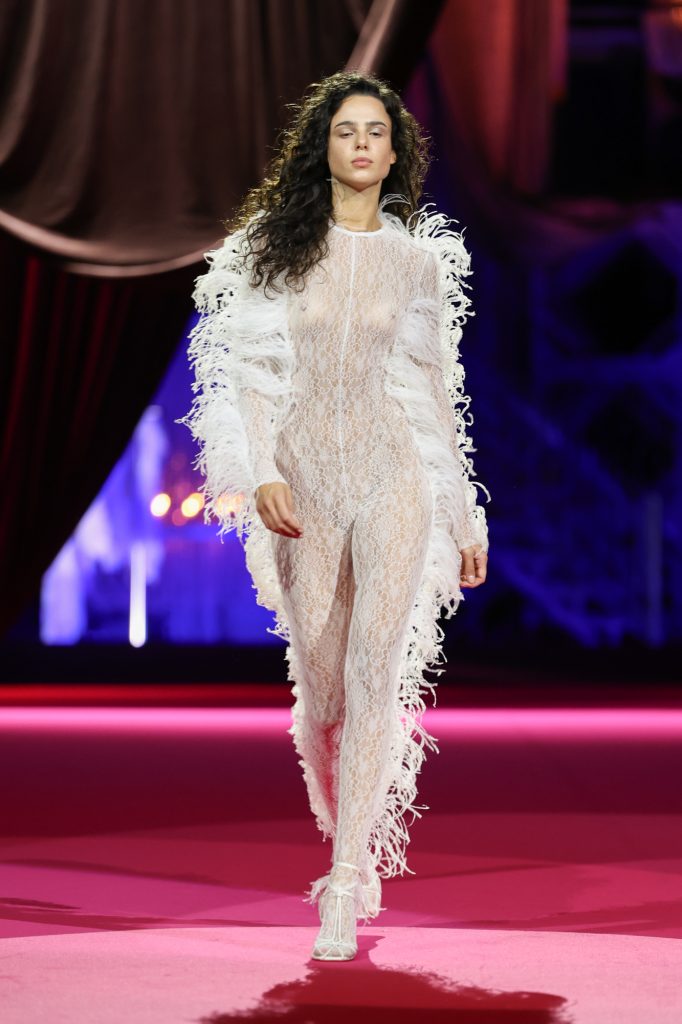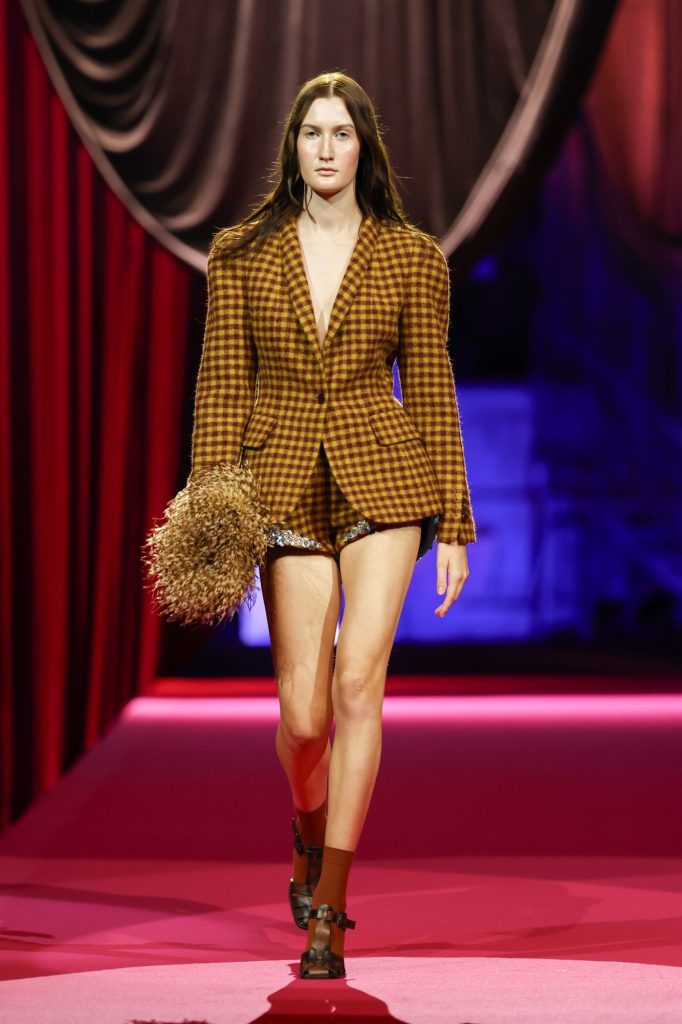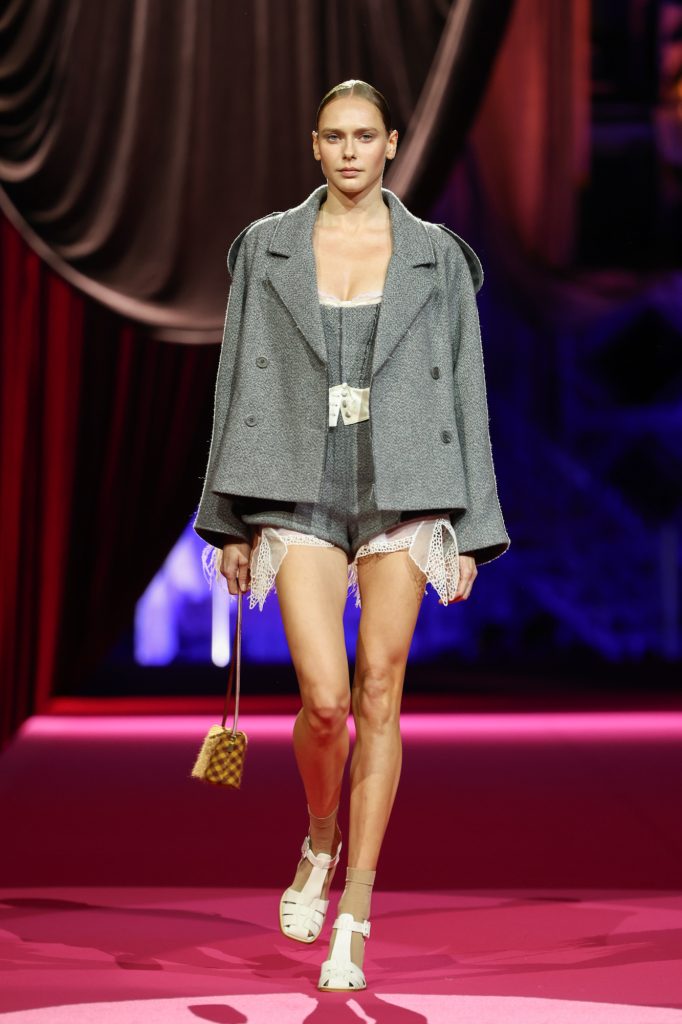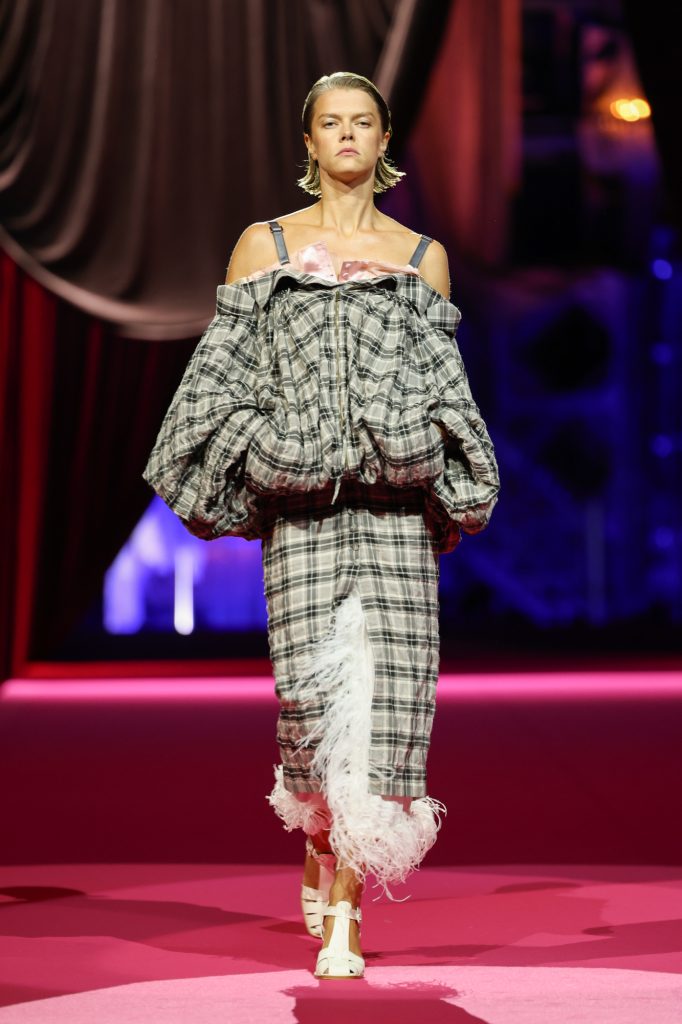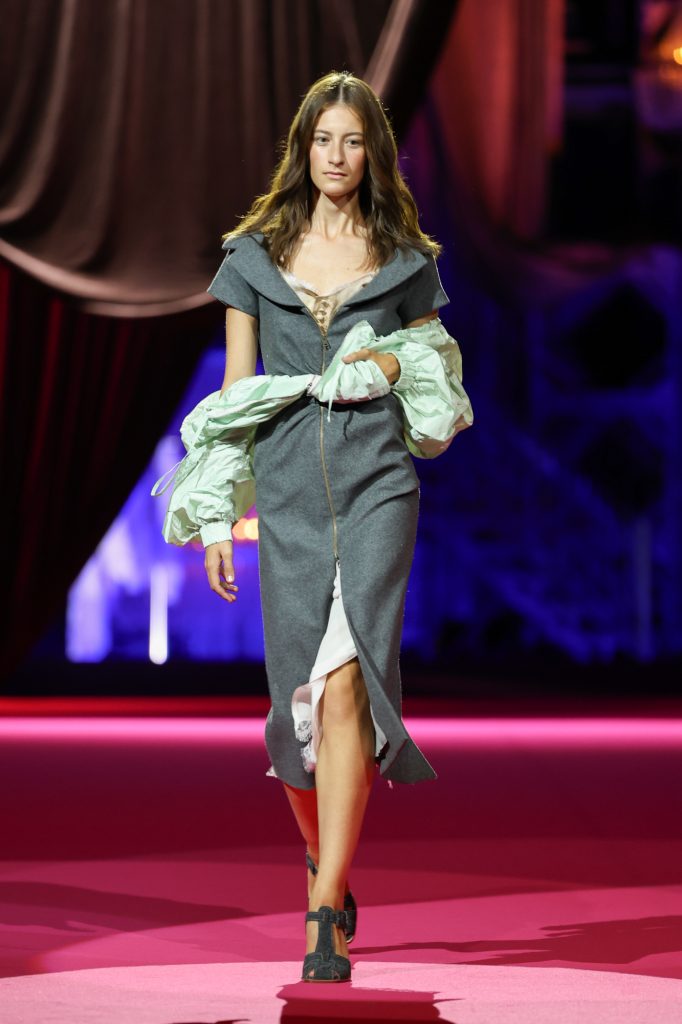
the Coat by Katya Silchenko show
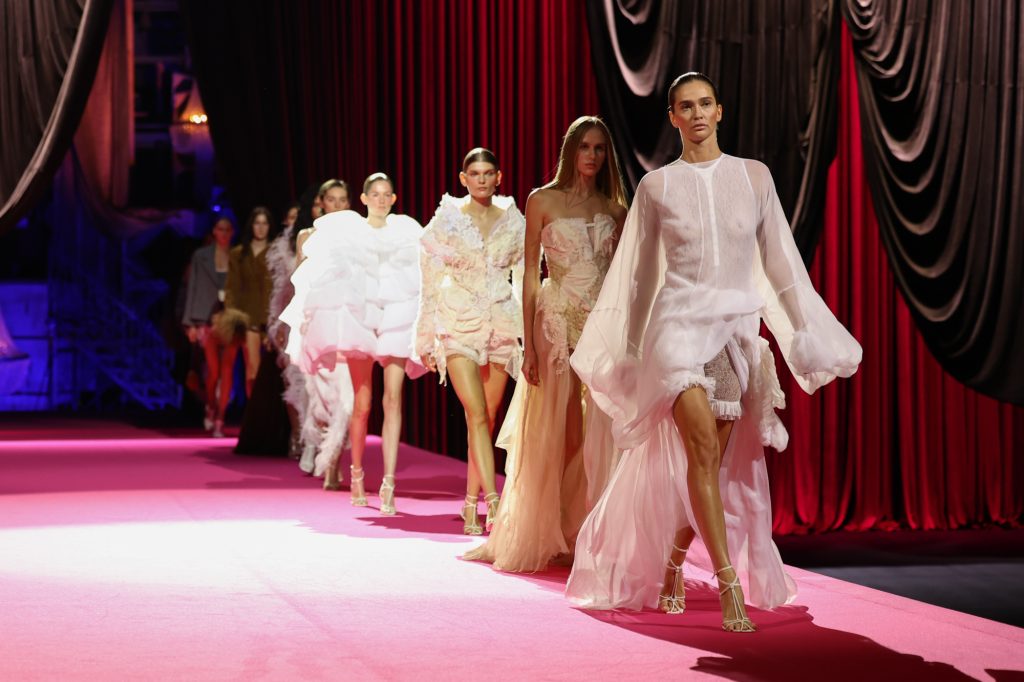
The first show of the Ukrainian Fashion Week this season was Opera, a new show by the COAT by Katya Silchenko. It is a story that the brand invites each viewer to interpret in their own way, finding personal meaning in the music, the imagery, the movement, and the collection itself.
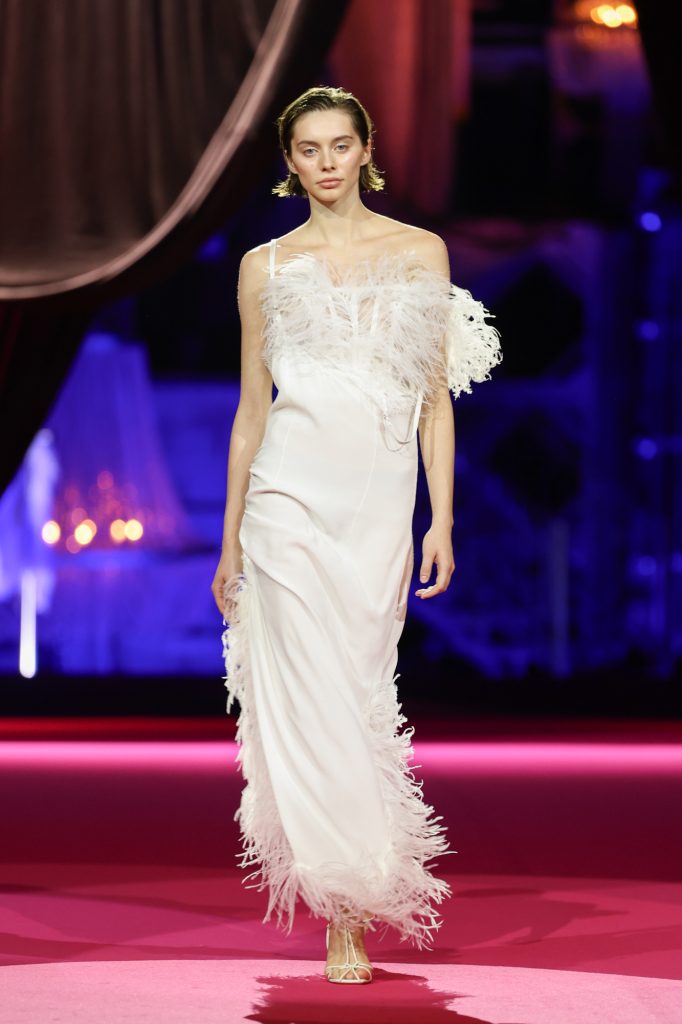
The starting point for the Opera collection was the woman and the transformation of her role in society. The brand turned to the Victorian era — a time when the female image was strictly defined and regulated, yet one in which the processes that would gradually lead to women’s emancipation and a new understanding of freedom were already beginning.
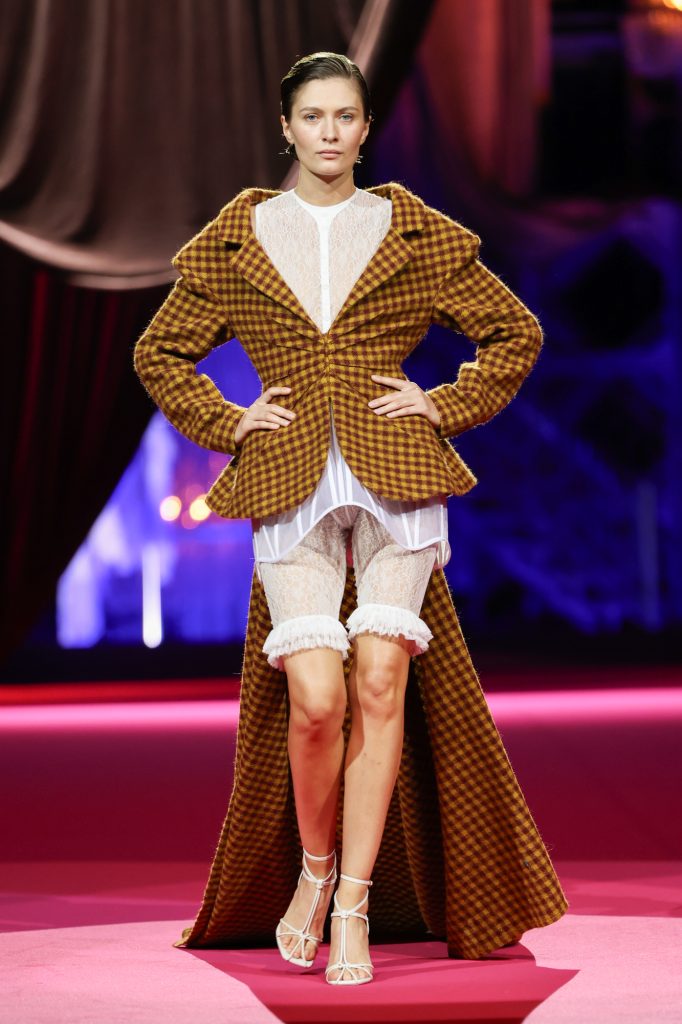
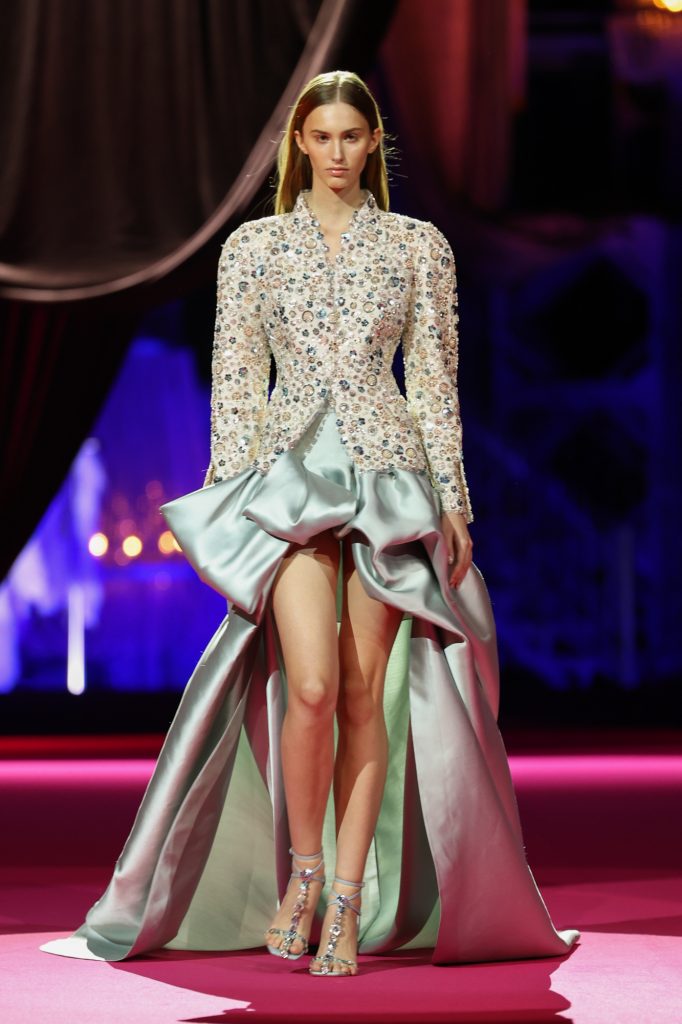
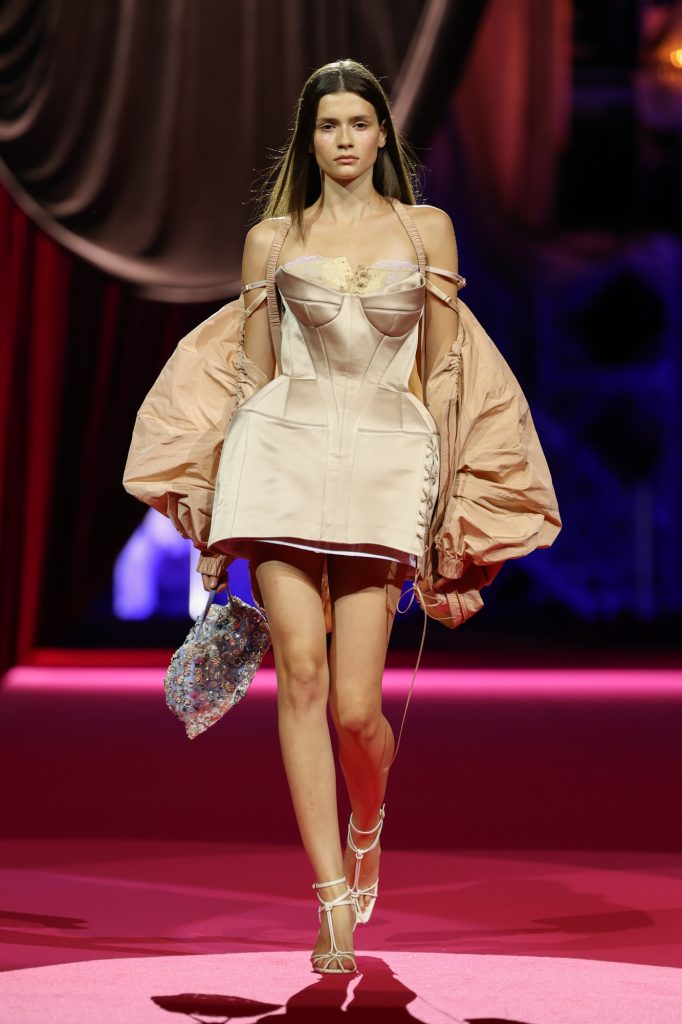
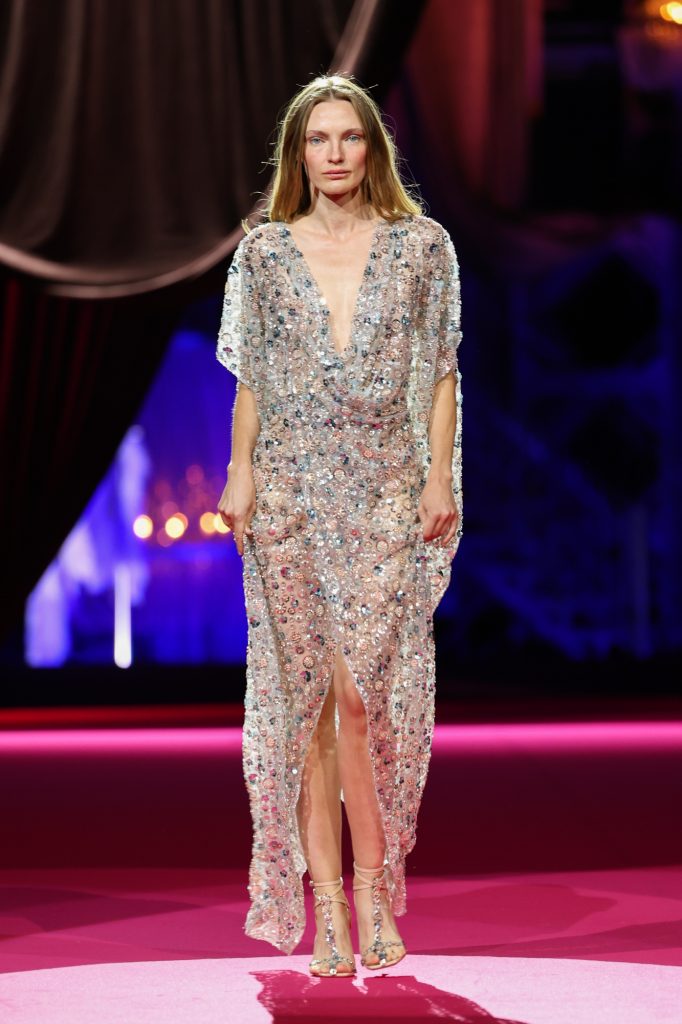
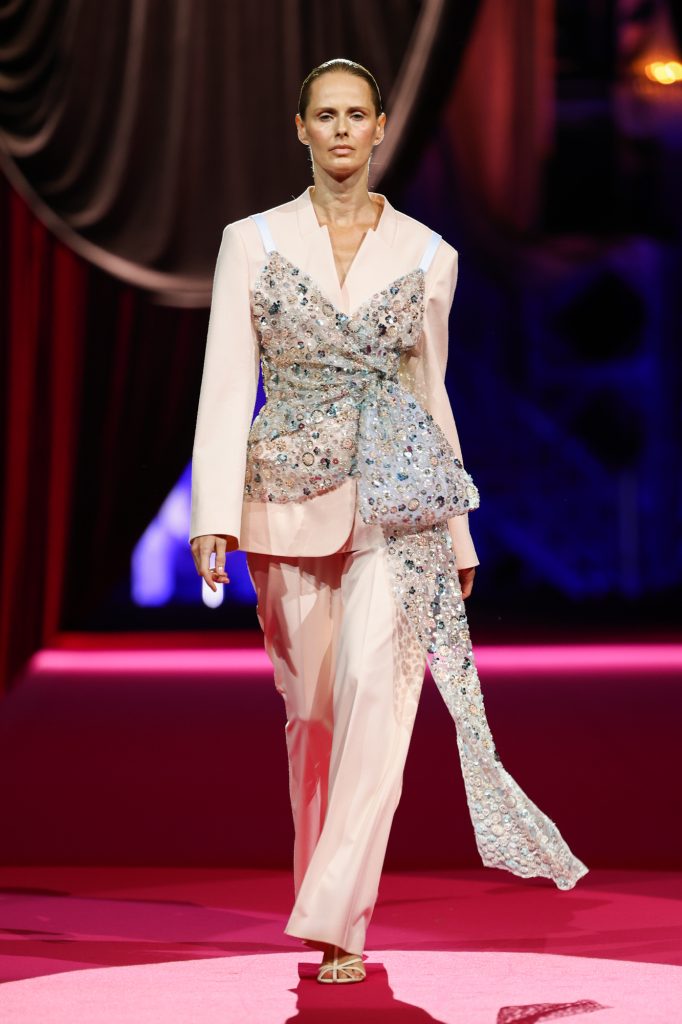
Designer Katya Silchenko was drawn to this moment of transformation: what happens to the silhouette when the woman herself changes? This is how historical forms met contemporary construction, sports elements, transparency, and a new attitude towards the body. Opera then emerged as a natural continuation of this story. Theatricality, scale, and the female image itself led the brand to the National Opera of Ukraine.
The building opened in 1901. Throughout its history, the theatre has survived a fire, changing eras, and the trials of war. During the Second World War, an aerial bomb struck the building, piercing the roof and the floor of the auditorium, but it did not explode. The Opera stood and continued to remain a place of music, art, and life.Today, as Ukraine once again lives through war, this history resonates with particular force. We know what it means to continue creating, meeting, working, and speaking about beauty at a time when reality constantly makes its presence felt. The team behind the COAT by Katya Silchenko saw an important parallel with the collection here: times change, but art continues to live. A woman’s role may change, but she does not lose her strength.
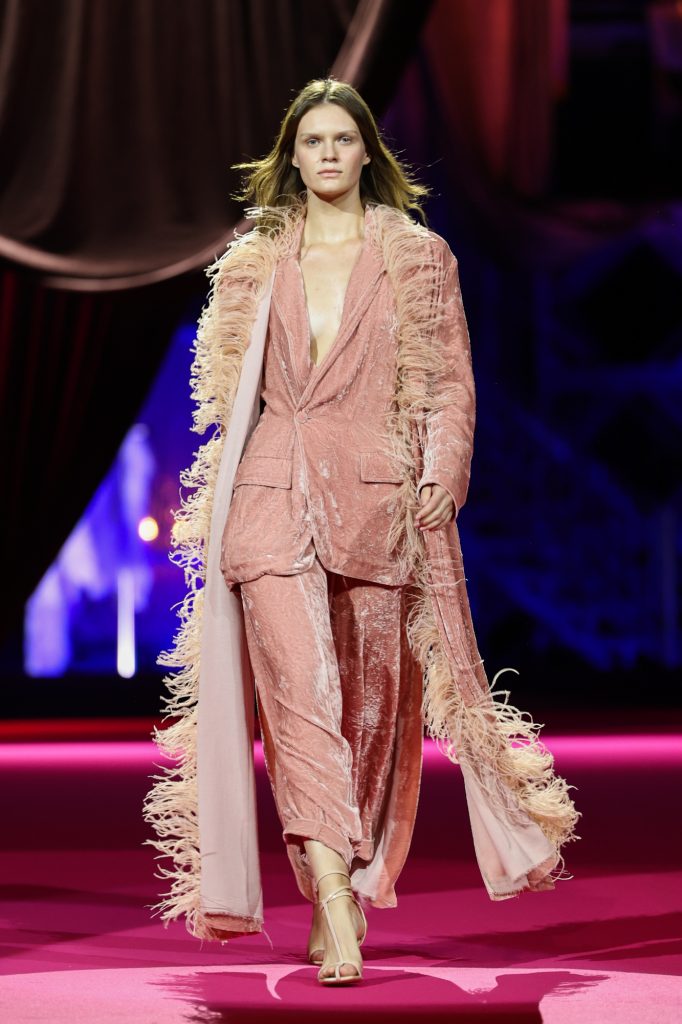
Thus, all the elements of the story came together — the Victorian era, the woman, the transformation of the silhouette, the theatre, and the space of the National Opera of Ukraine.
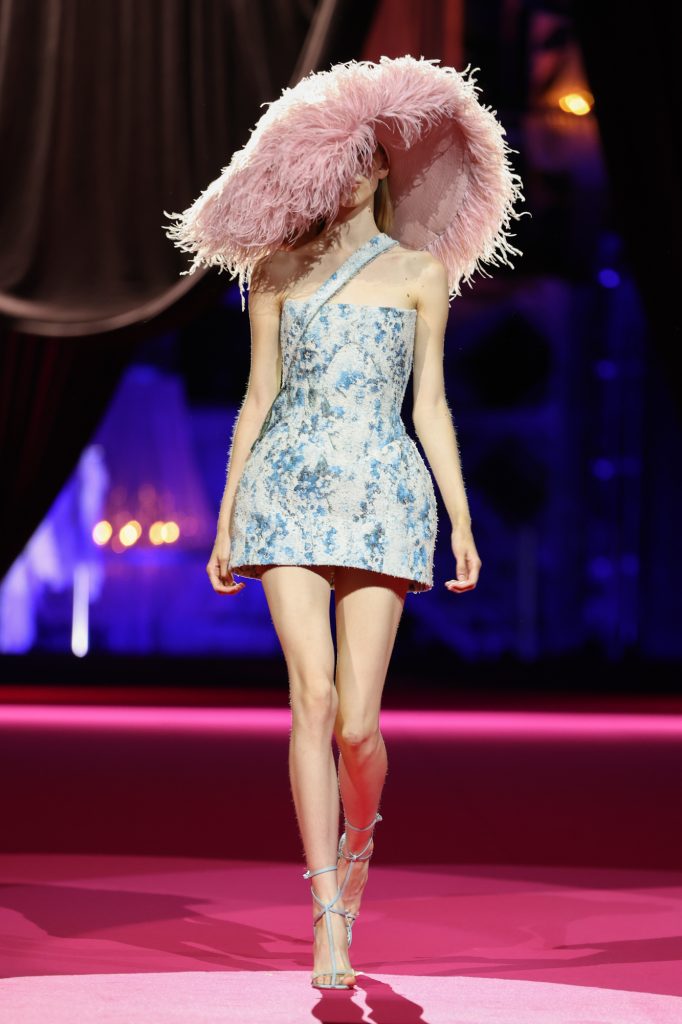
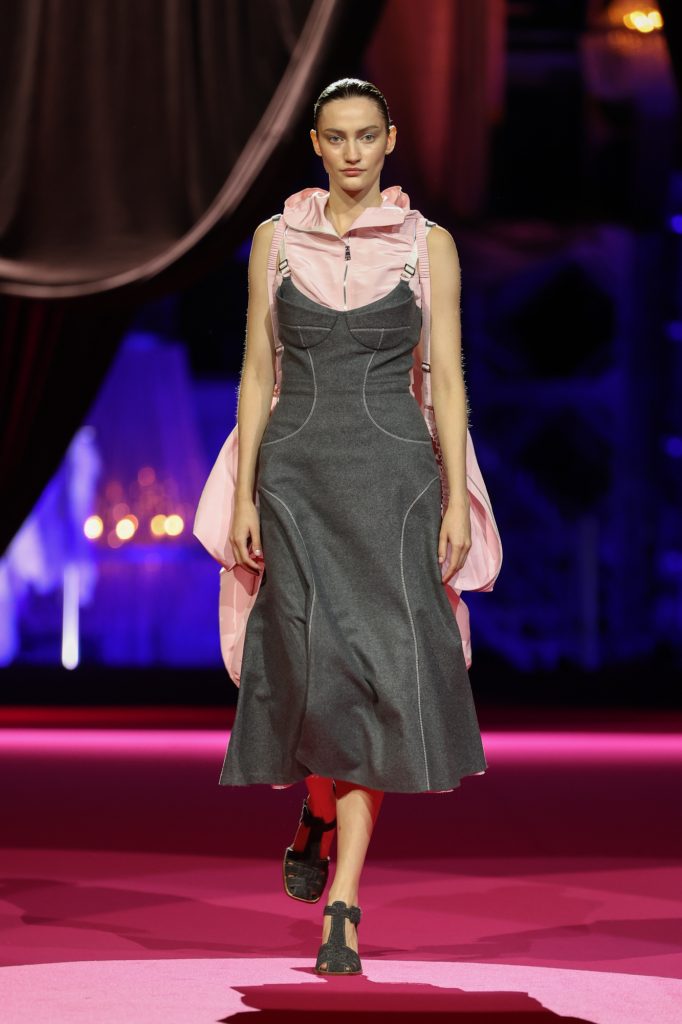
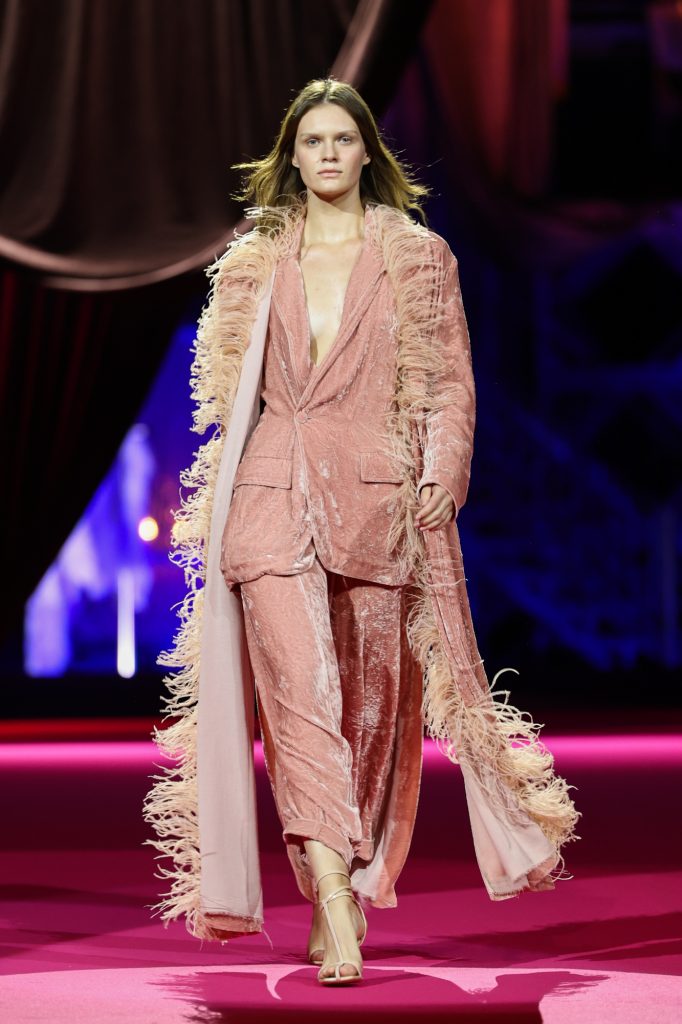
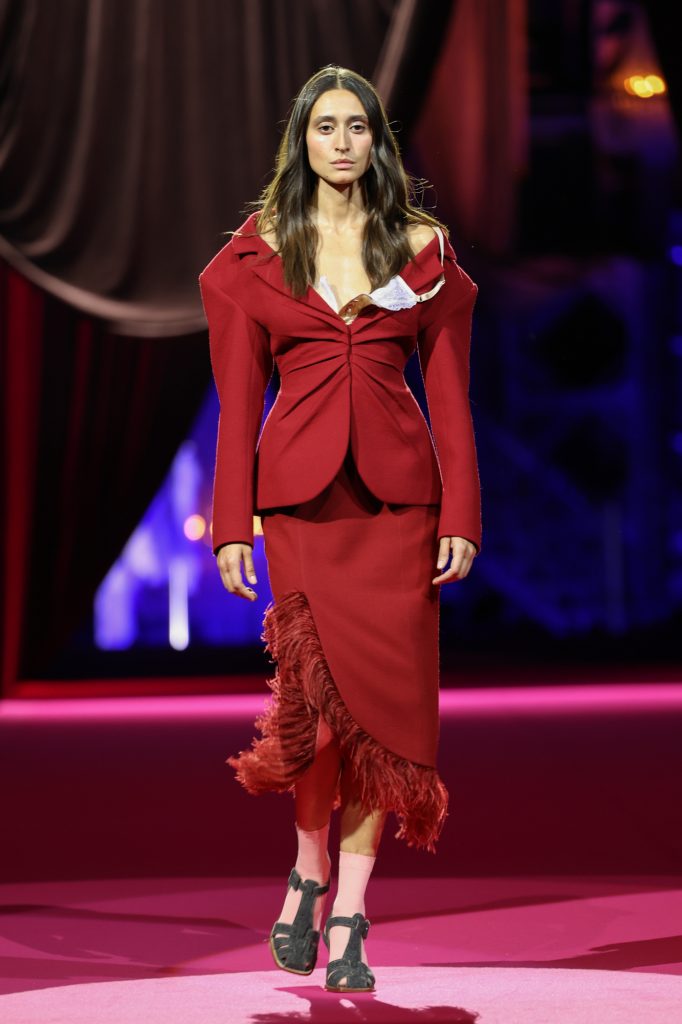
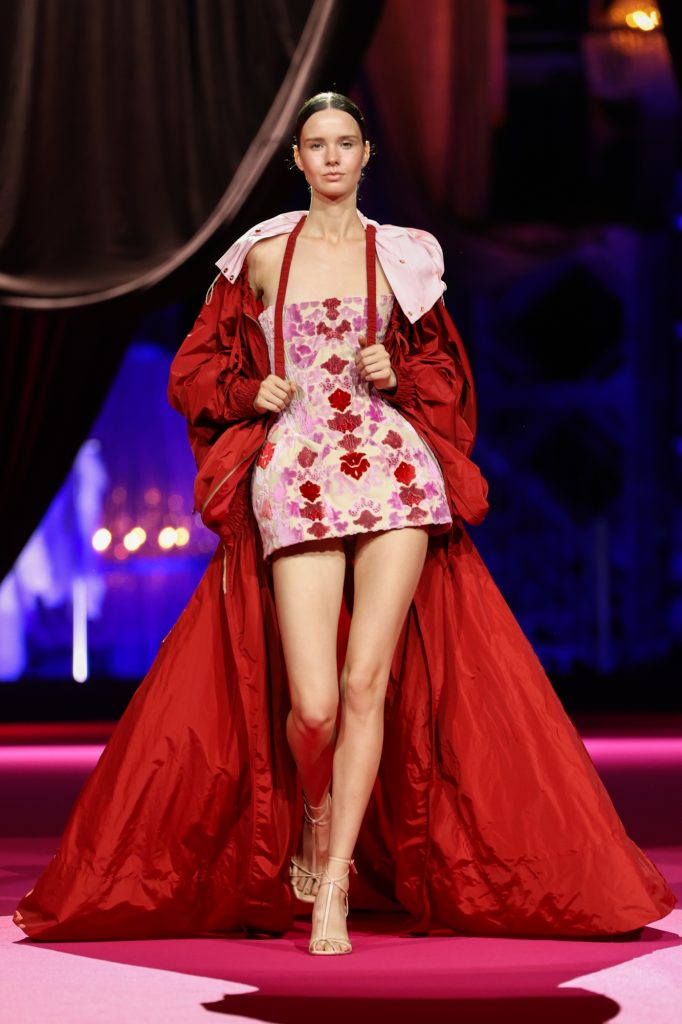
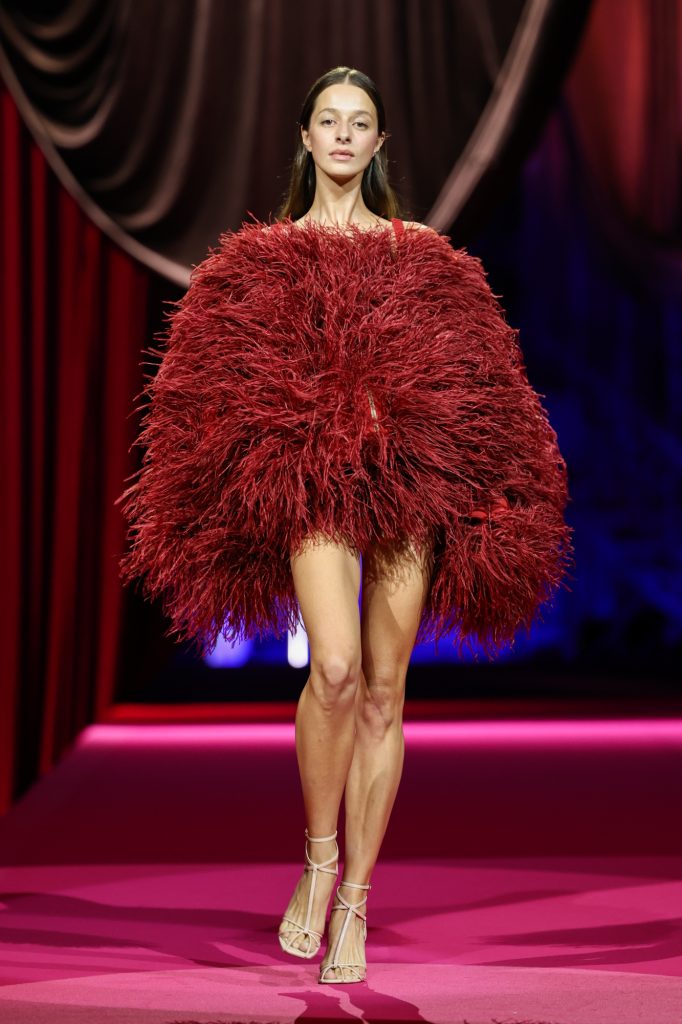
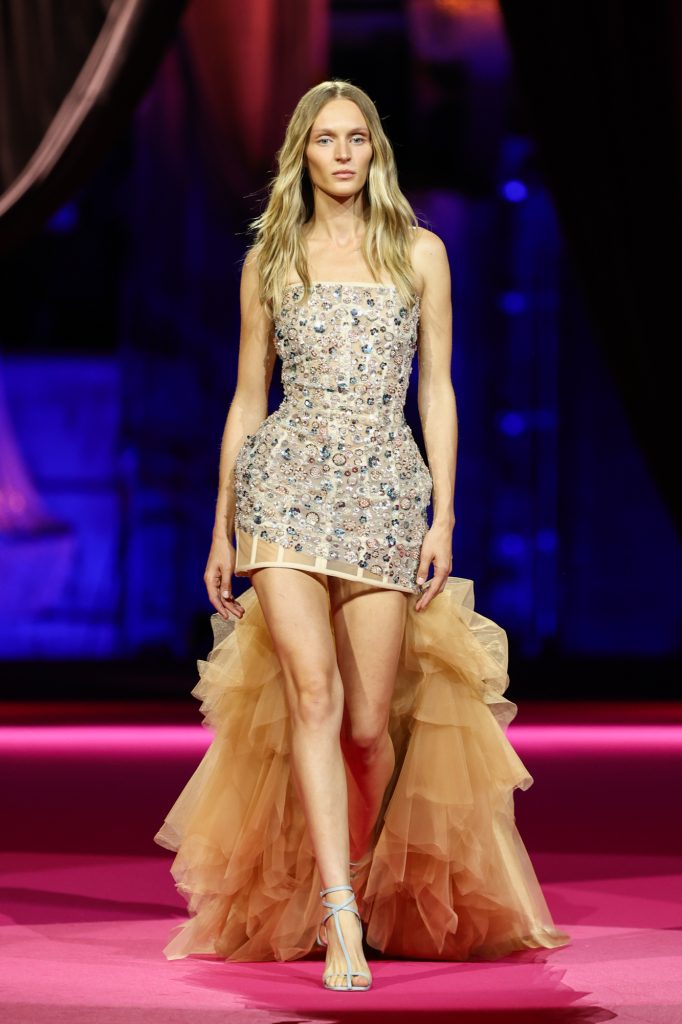
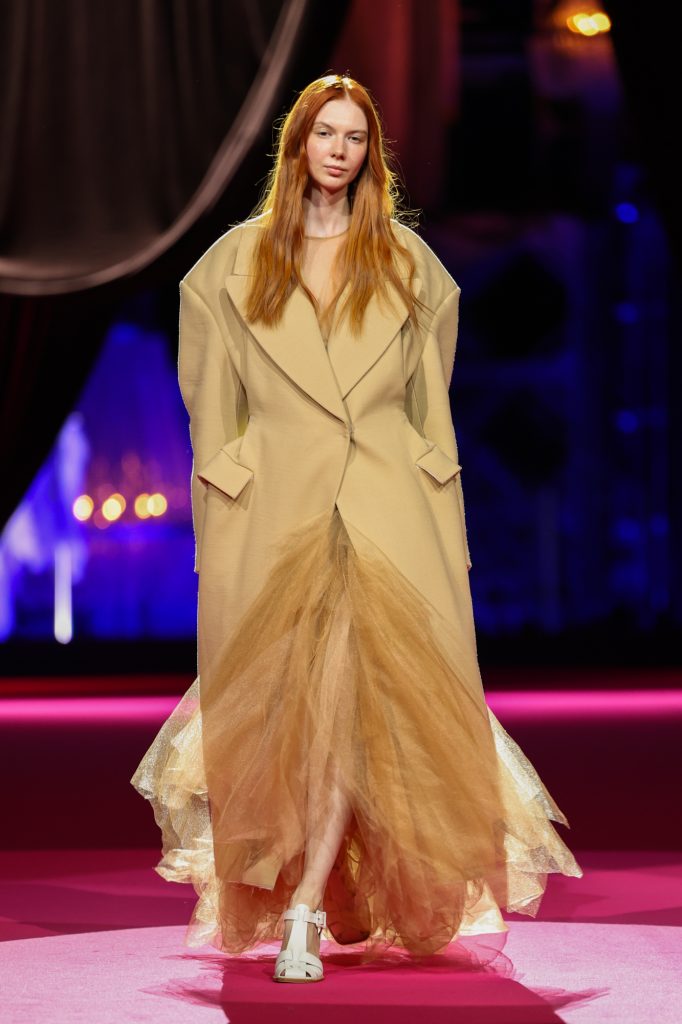
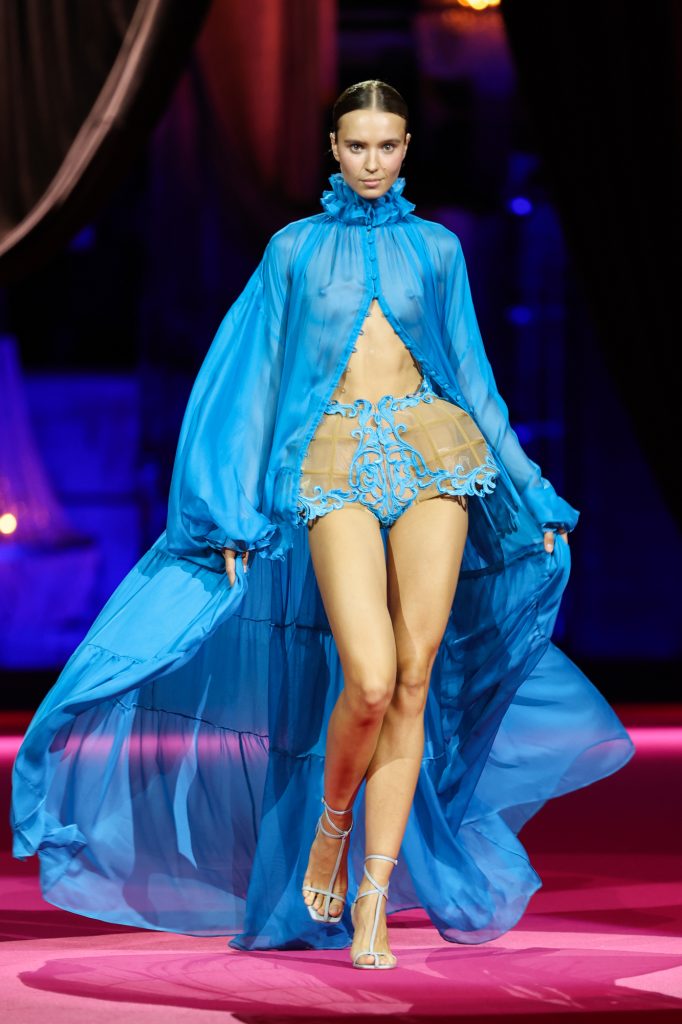
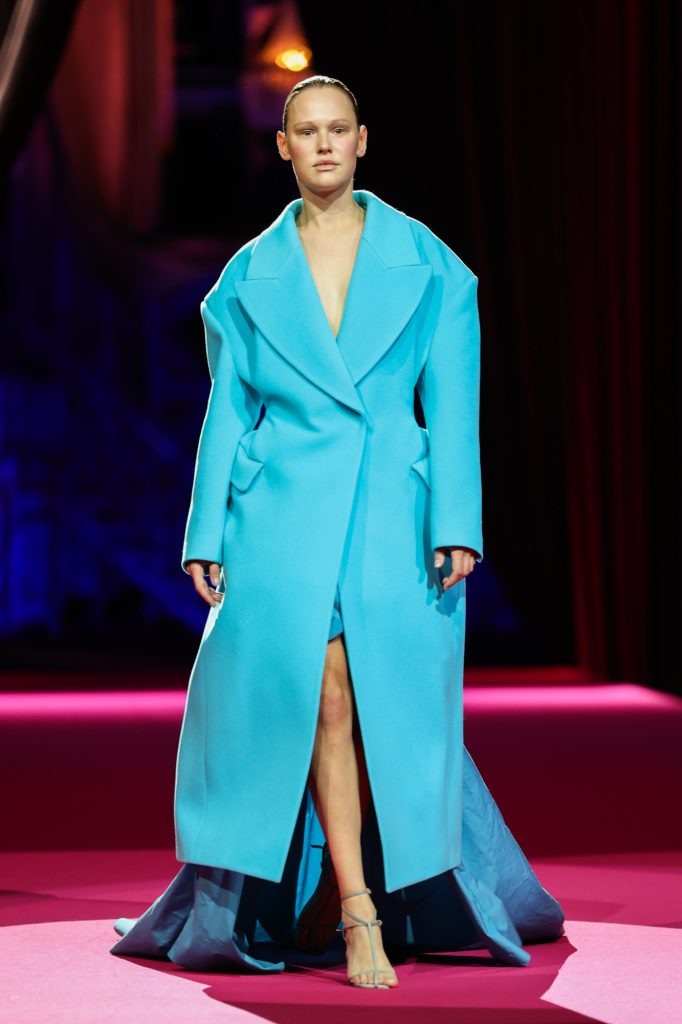
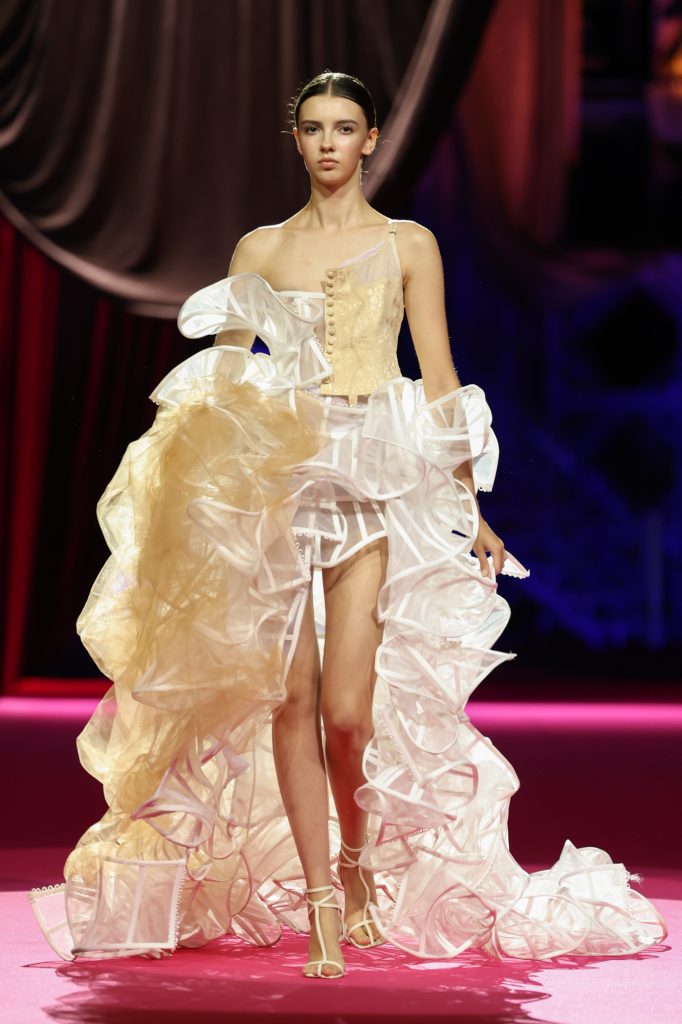
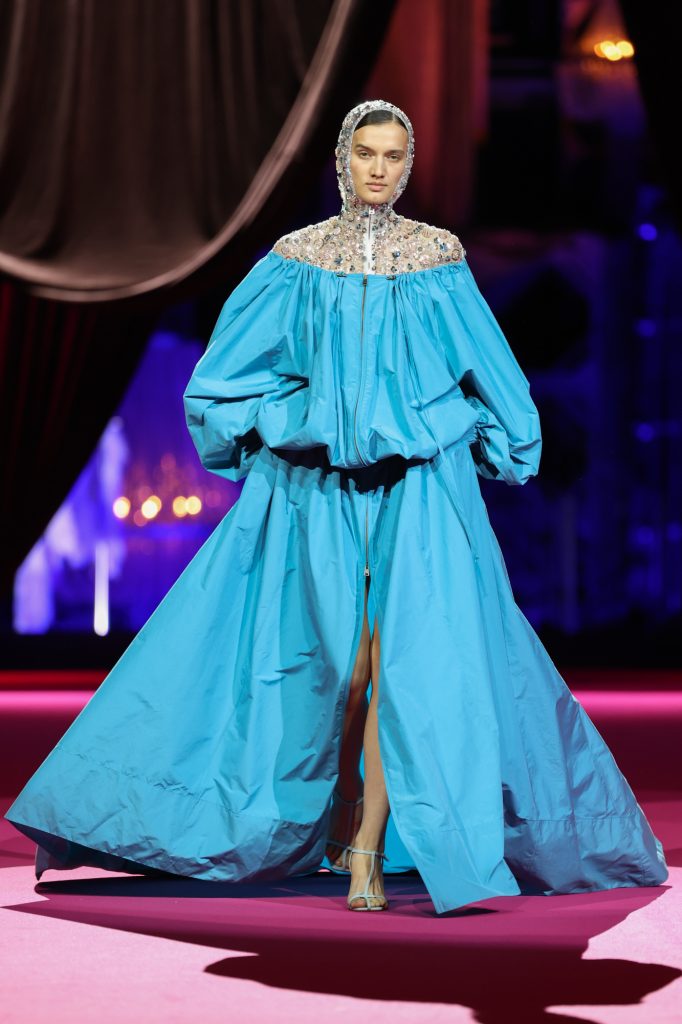
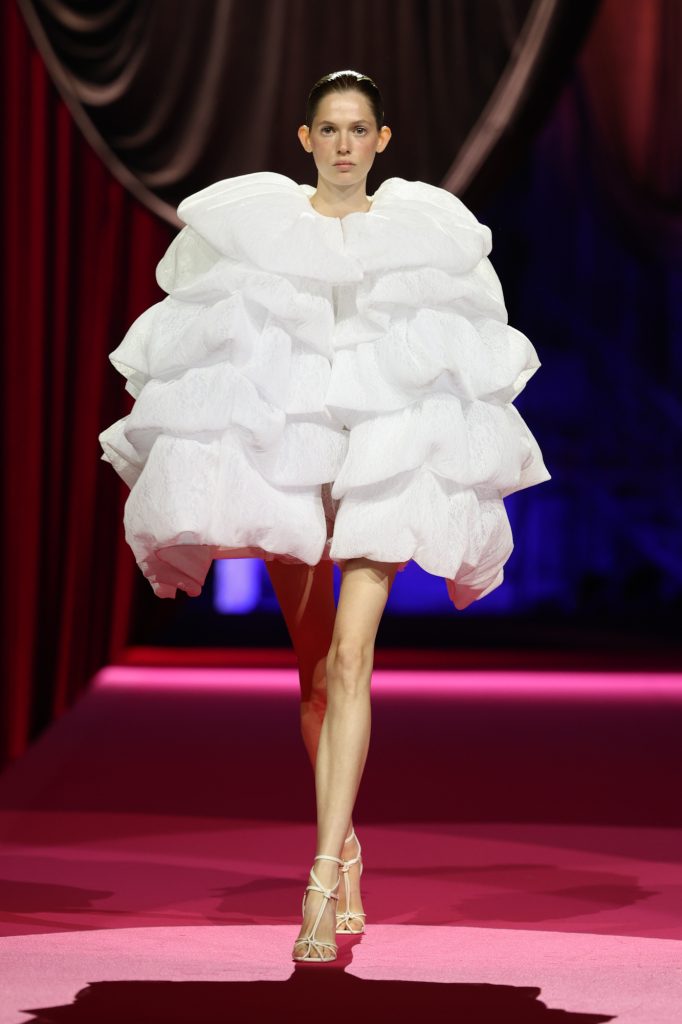
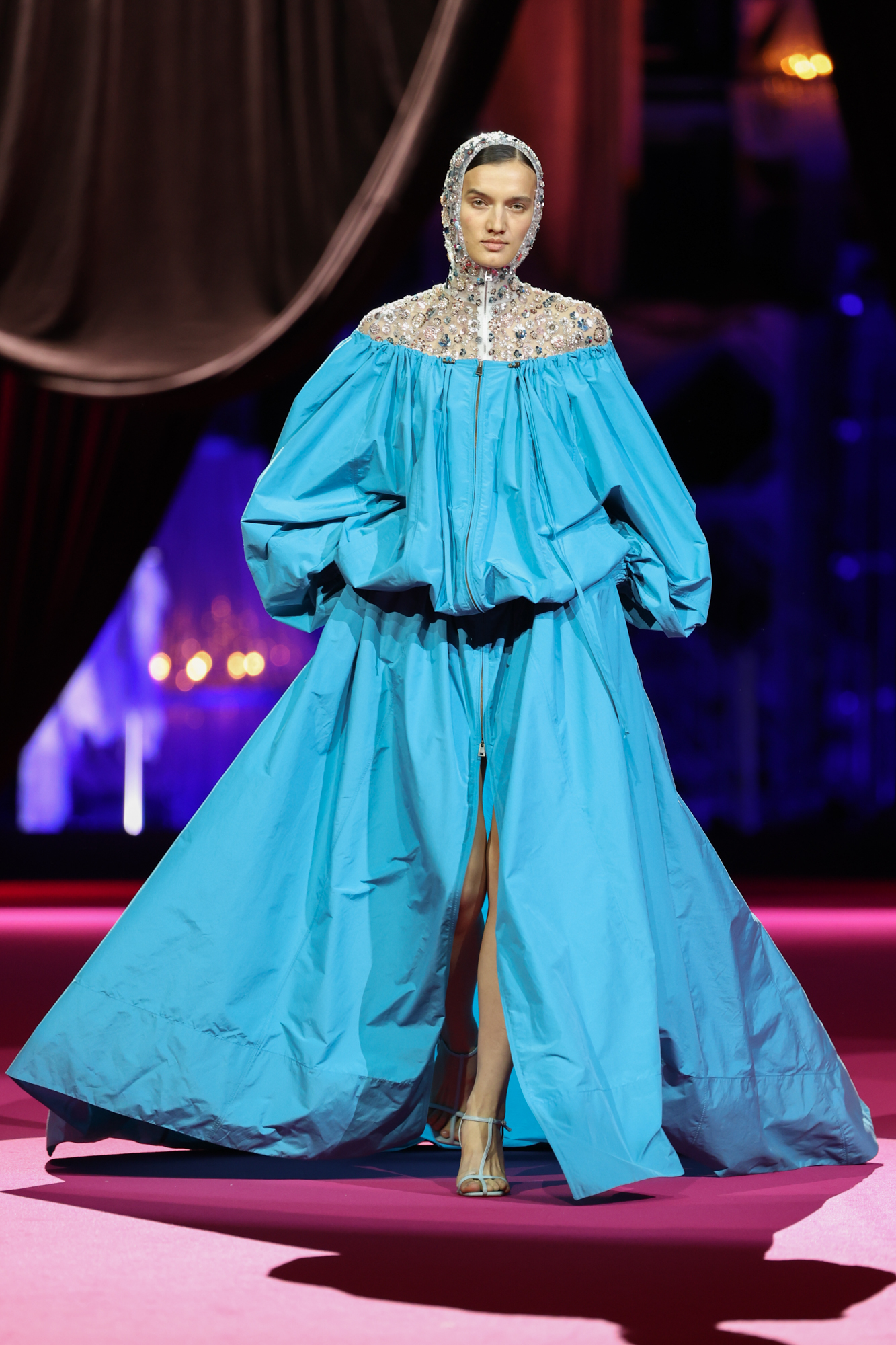
The collection carries a strong sense of theatrical scale: oversized capes, voluminous jackets, corsets, sheer constructions, and dresses that create an architecture of their own around the body. One of the dresses is constructed from more than 50 corset structures. The capes are shaped using rigilene, while one of the jackets was assembled entirely by hand from more than 15 types of lace. Some pieces combine dozens of varieties of sequins, beads, and bugle beads.