FW26–27: Public Talk by Harper’s Bazaar Ukraine
A conversation about how innovation and ecological trends are reshaping the face of Ukrainian fashion, setting new standards for design and production.
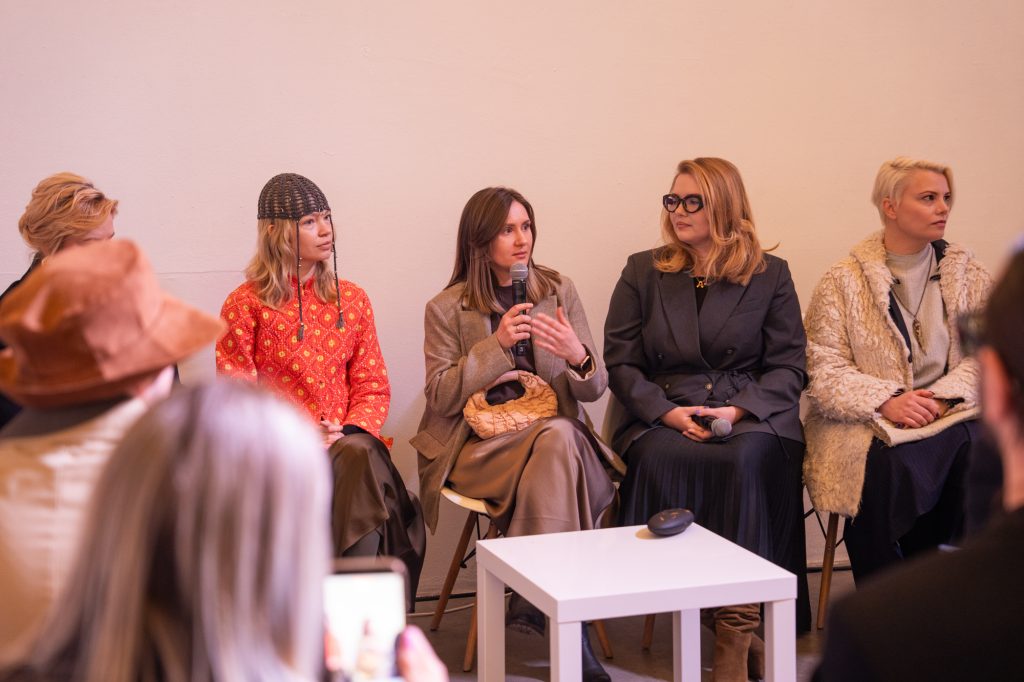
Today, fashion is no longer only about trends — it is a response to reality: the climate crisis, the war, and the restructuring of global production and trade routes. Within these transformations, particular attention is drawn to innovative materials, which are still often perceived as costly artistic experiments far removed from everyday life. Yet in Ukraine, as globally, they are gradually becoming part of real practice: from biodesign and mushroom mycelium to fish leather and “smart” textiles, which are now being developed not only by independent studios but also by university laboratories.
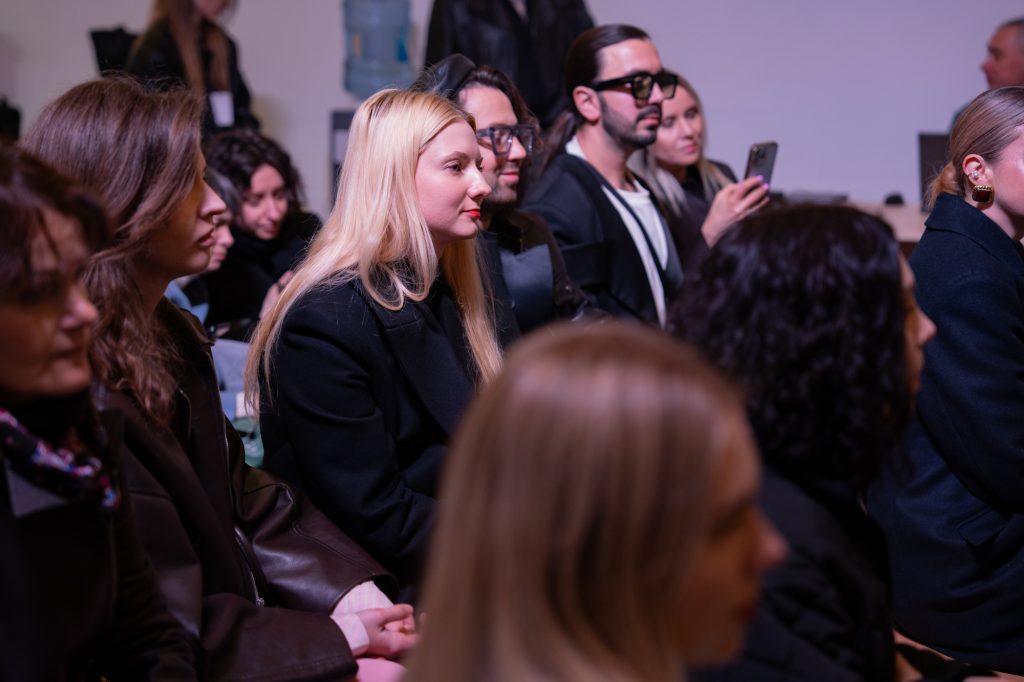
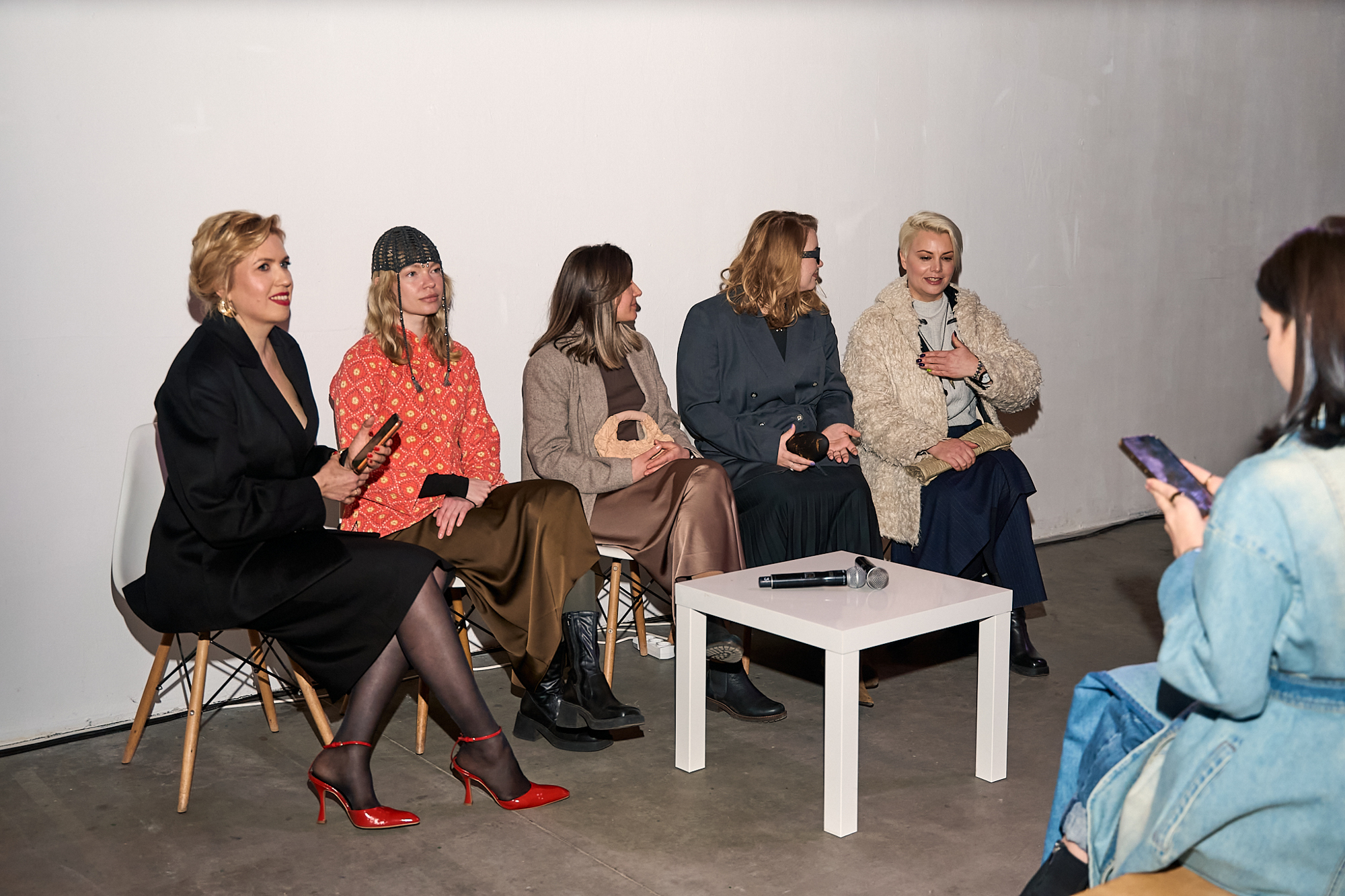
These solutions combine aesthetics with sustainability while testing the boundary between concept and market. That is why Harper’s Bazaar Ukraine launched the project “Innovative Code of Sustainability” — a series of interviews with Ukrainian designers about developing clothing using innovative materials. Its continuation became the public talk “Innovative Materials — The Code of the Future,” held on the fourth day of Ukrainian Fashion Week.
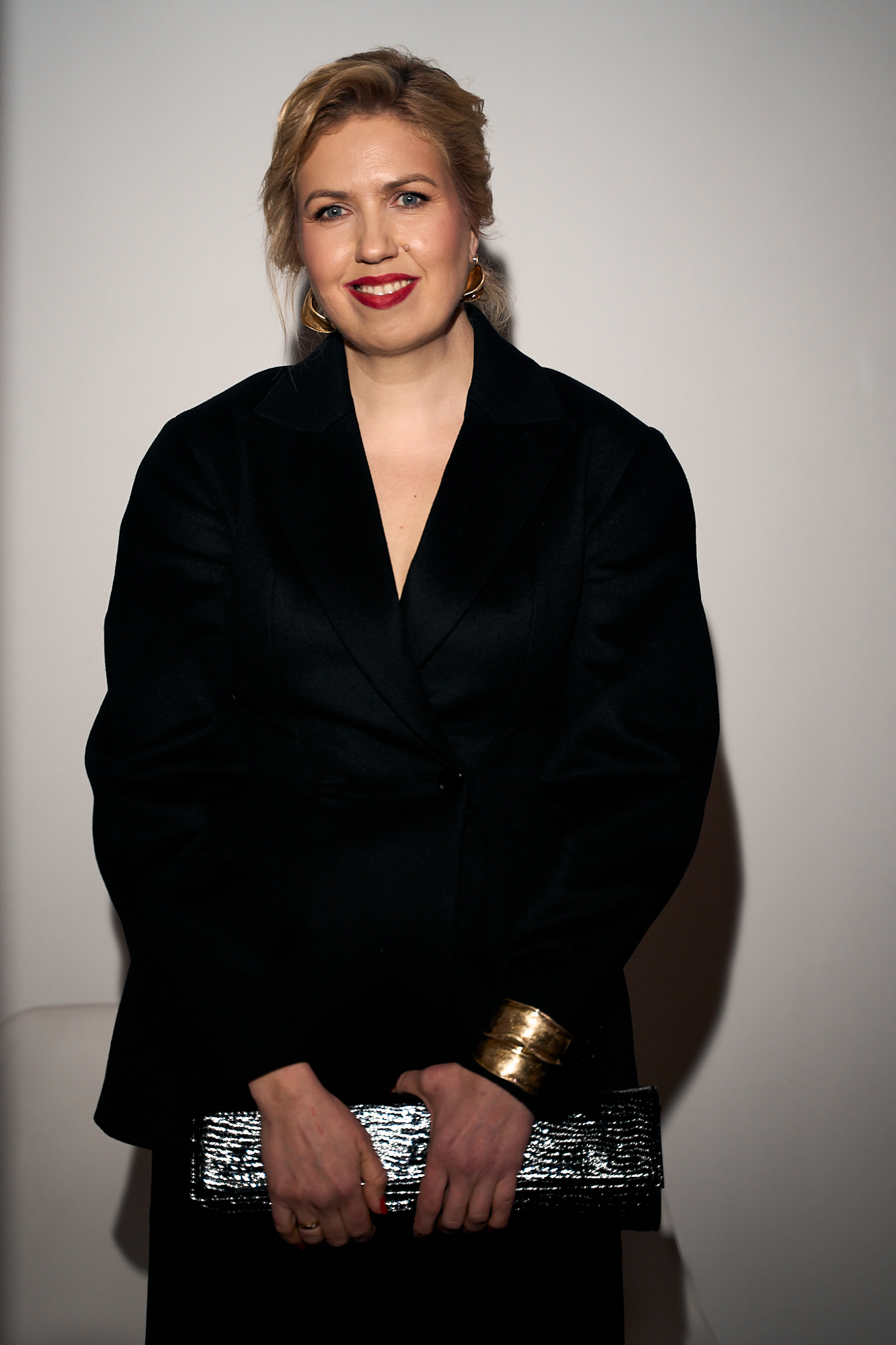
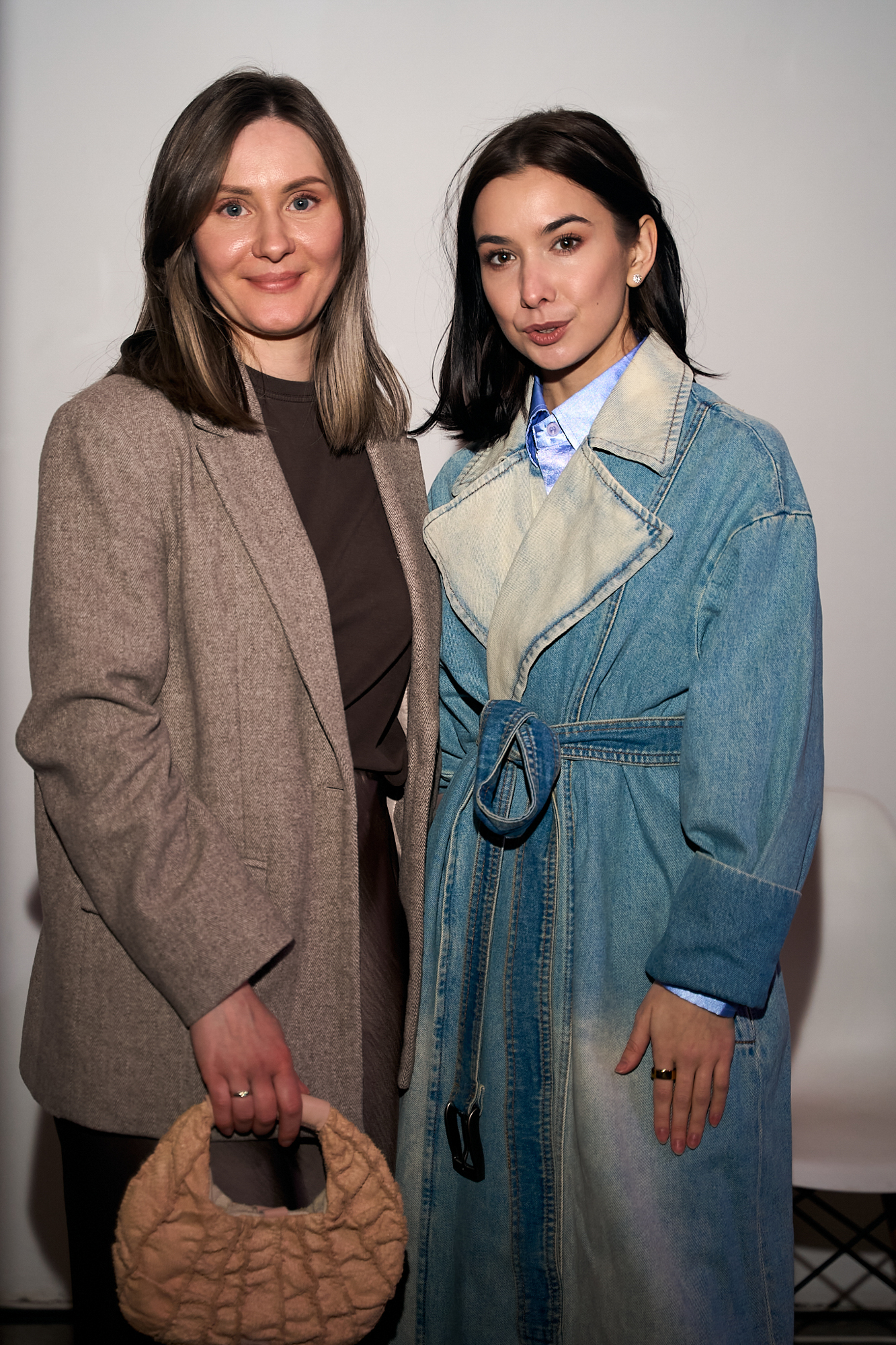
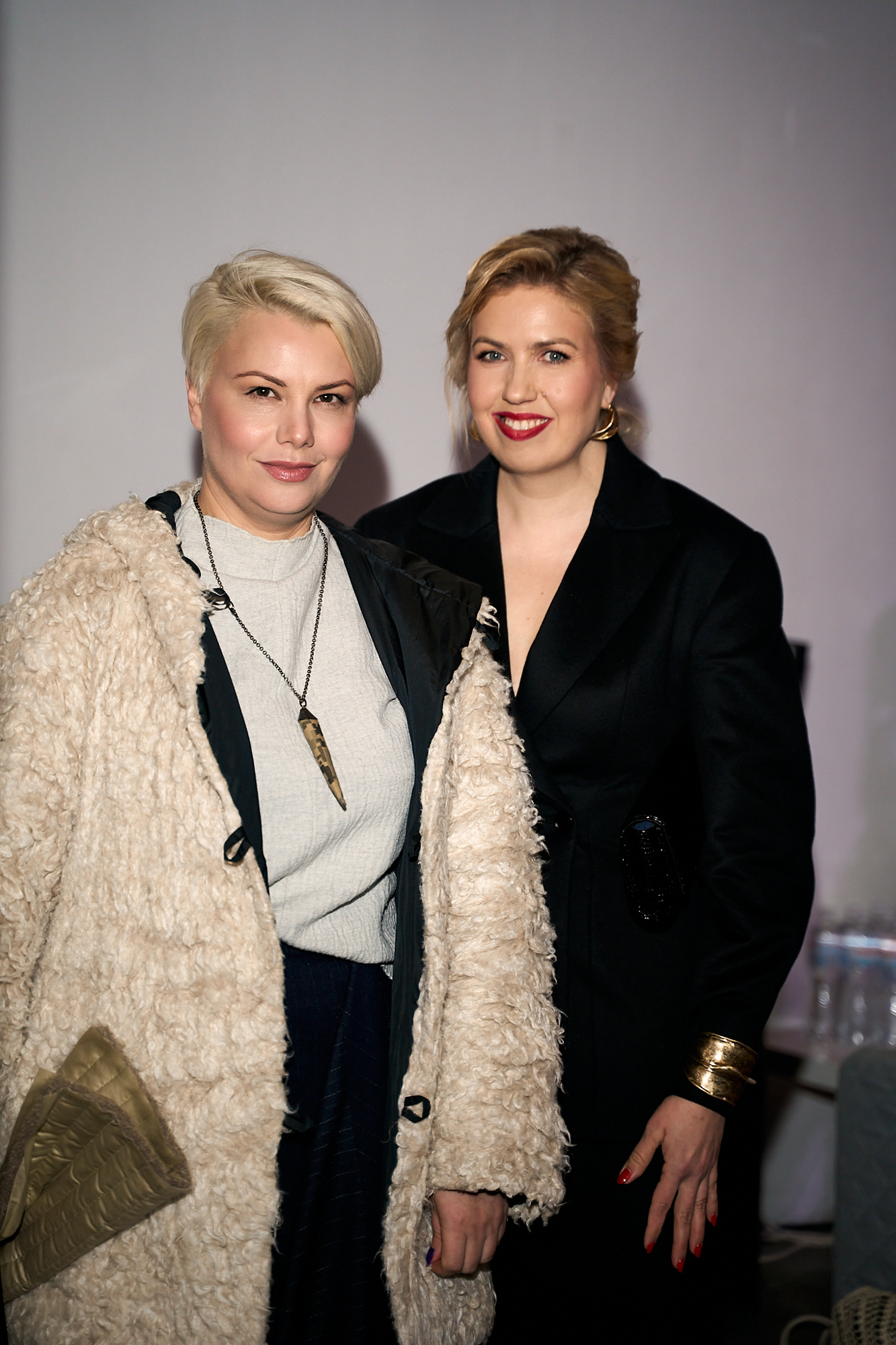
The speakers included Yuliia Buhlak (Fiskin), Sasha Popruha (Anumo), Olha Tereveieva (DevoHome), and Anastasiia Liubiashcheva (OCHIS). The discussion was moderated by Iryna Tatarenko, Editor-in-Chief of Harper’s Bazaar Ukraine. During the conversation, brand representatives spoke about how they began working with innovative materials and the challenges they faced — from the need to develop entirely new technologies to overcoming the skepticism and preconceived notions of consumers.
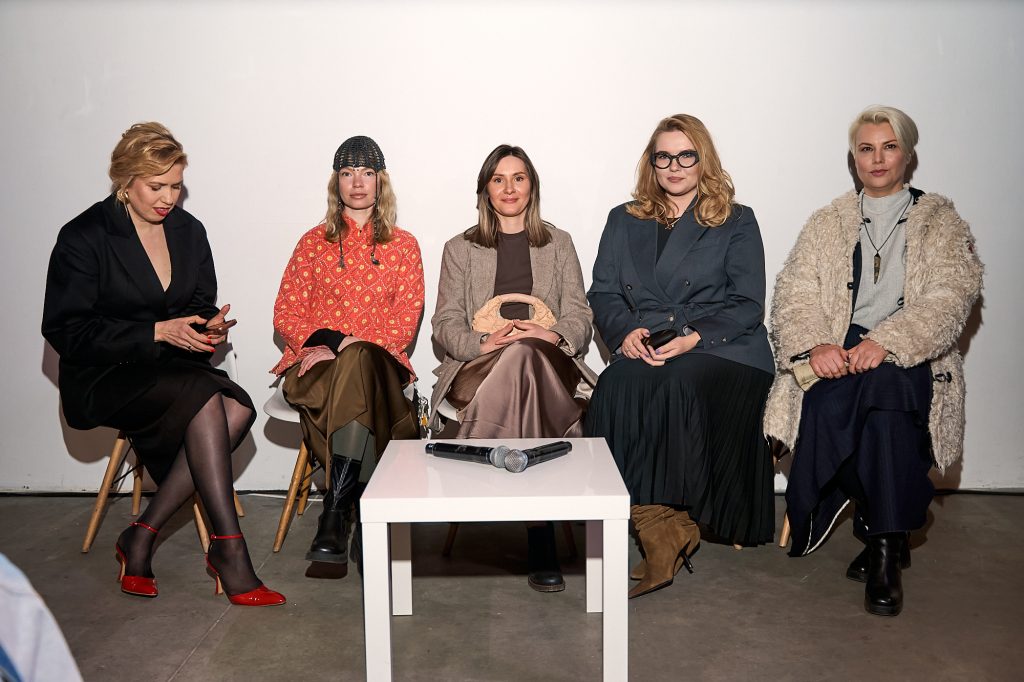
Iryna Tatarenko, Sasha Popruha (Anumo), Yuliia Buhlak (Fiskin), Anastasiia Liubiashcheva (OCHIS) , Olha Tereveieva (DevoHome).
“My ambition is to create the same level of luxury, complexity, and aesthetic power — but with sustainability placed at the center of the concept, rather than as an additional bonus,” said Yuliia Buhlak, Fiskin.
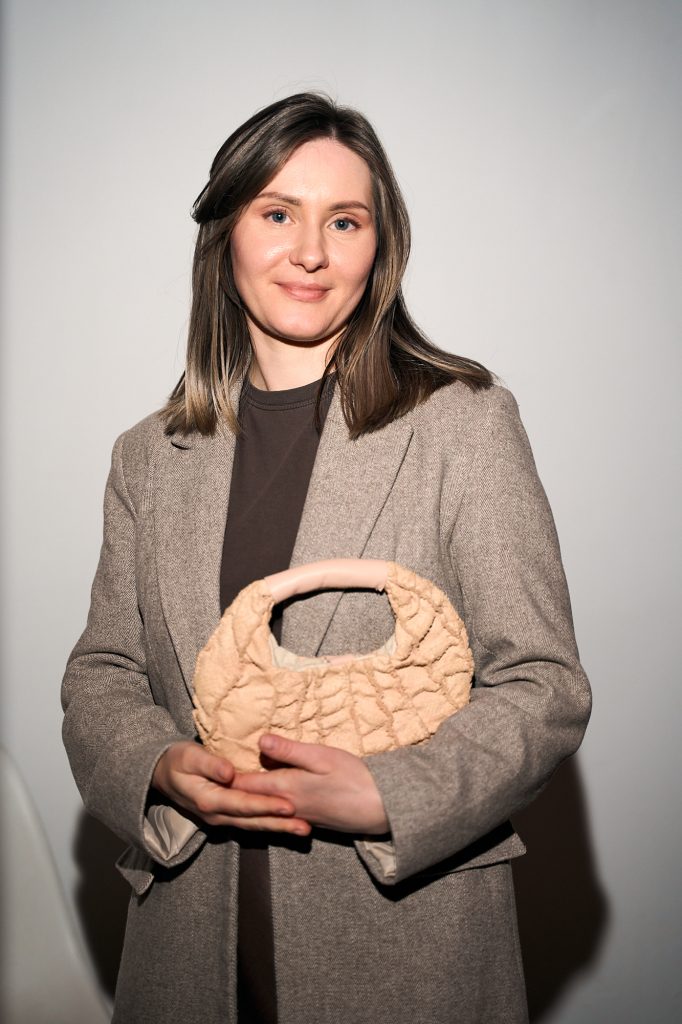
Yuliia Buhlak (Fiskin)
“In the Netherlands, where we opened our representative office, many people are surprised — they have never heard that textiles can be made from hemp. What is encouraging is that they understand it is an ecological, sustainable product that their grandmothers once wove, and this positively influences the development of our brand,” said Olha Tereveieva, DevoHome.
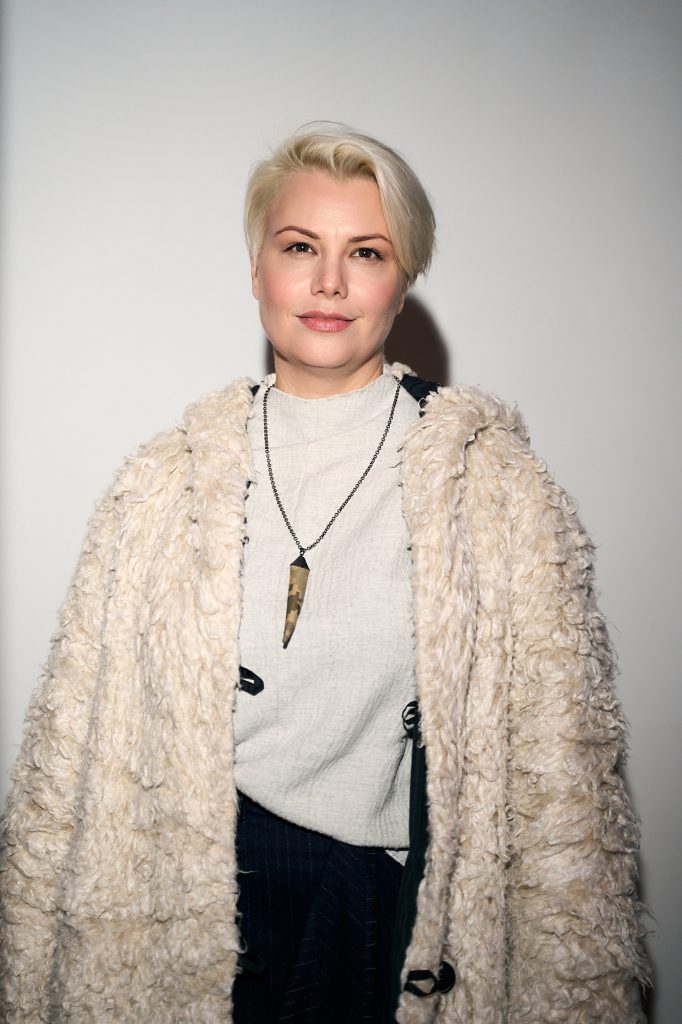
Olha Tereveieva (DevoHome).
“At the beginning of the full-scale war, I doubted whether it was worth continuing the work — it seemed that recycling plastic during a major war was not the right time for it. But after four to six months, people began ordering our products again, and I realized that it truly matters,” said Sasha Popruha, Anumo.
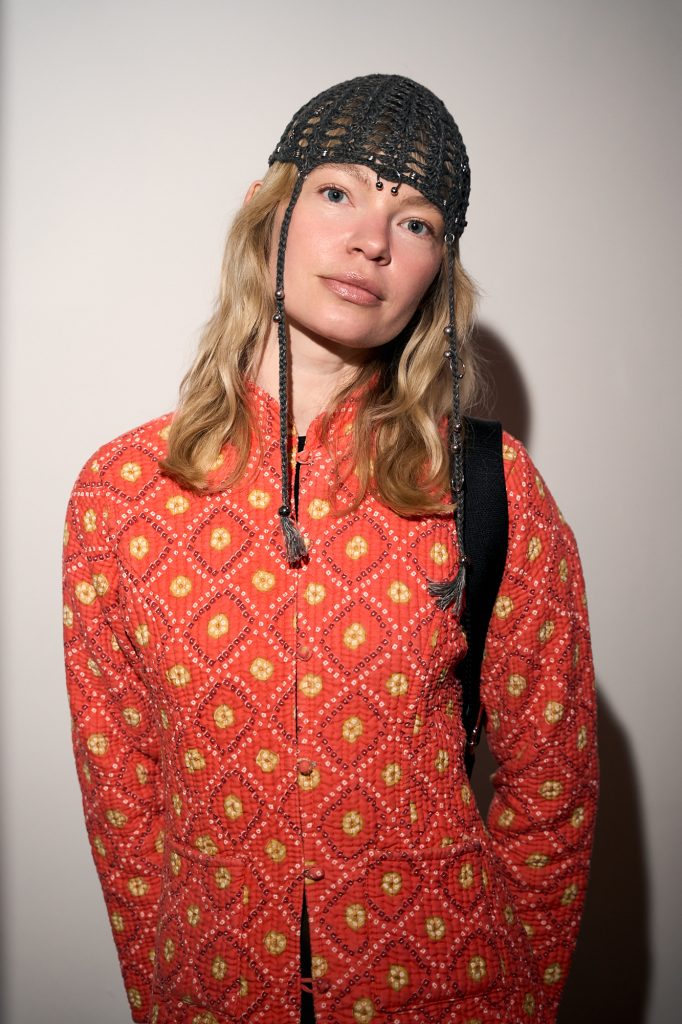
Sasha Popruha (Anumo)
“The entire creation process is pure creativity. Since the material was developed by our own team of specialists, there were no ready technological solutions at the beginning, and every production challenge had to be tested many times, experimenting constantly with different approaches,” said Anastasiia Liubiashcheva, OCHIS.
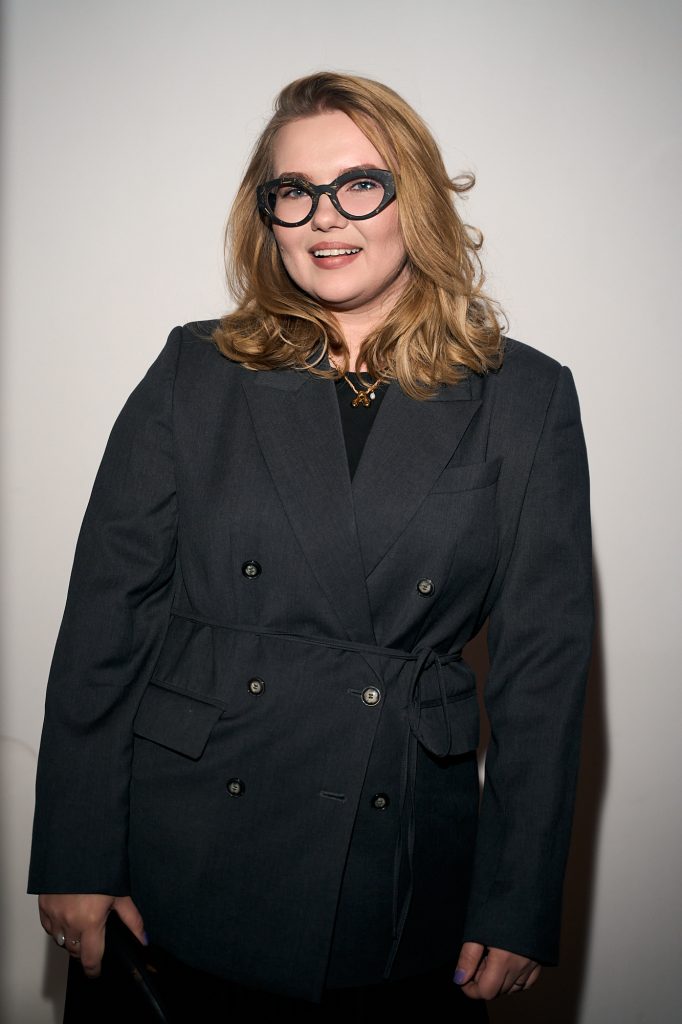
Anastasiia Liubiashcheva (OCHIS)
Summing up their experience, the speakers also shared several pieces of advice for young designers who are planning to take their first steps toward working with innovative materials.